Shifen sky lantern experience — what to expect and whether it's worth it
Taipei: Yehliu Jiufen Shifen guided tour
What the Shifen sky lantern experience actually is
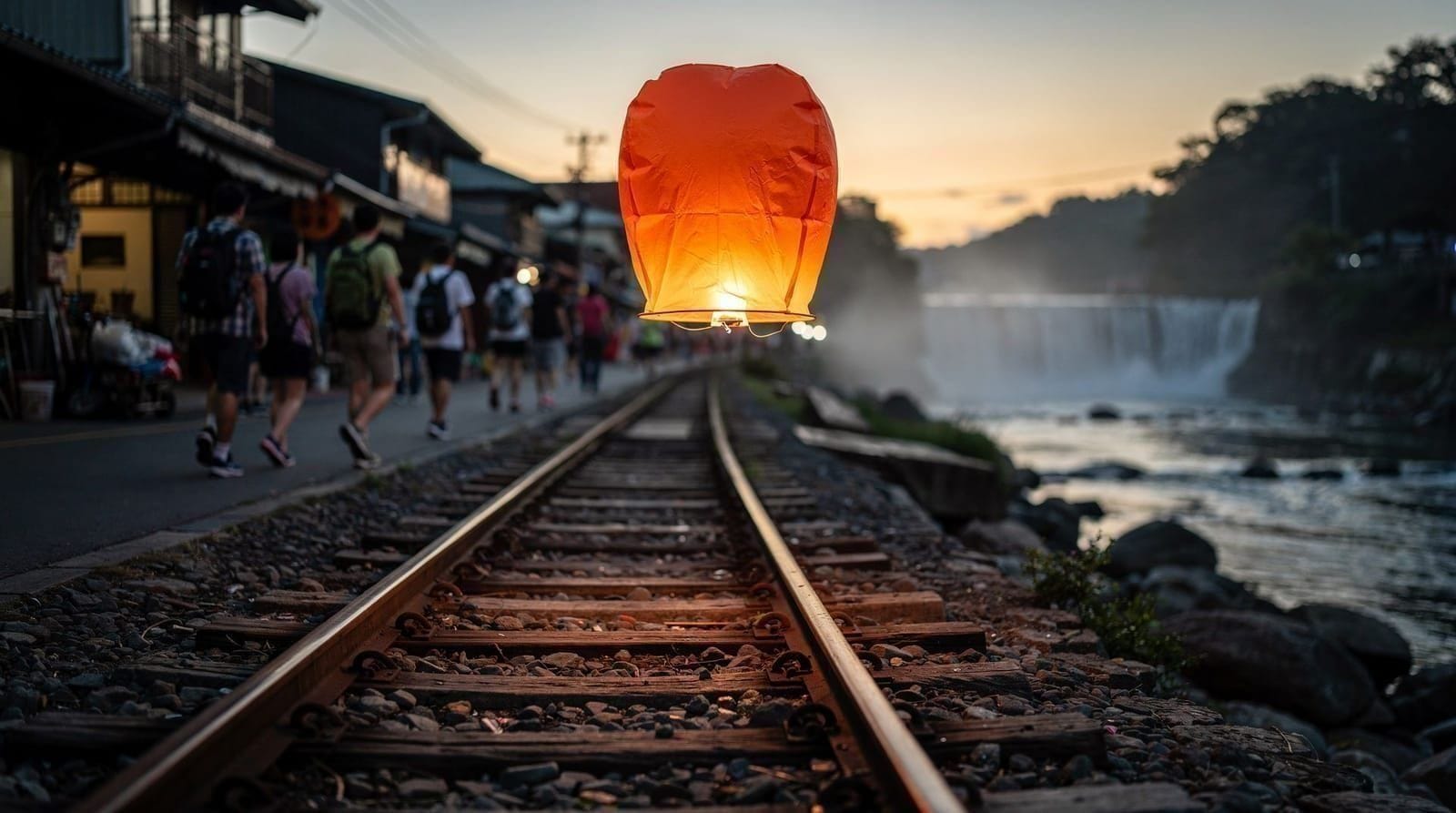
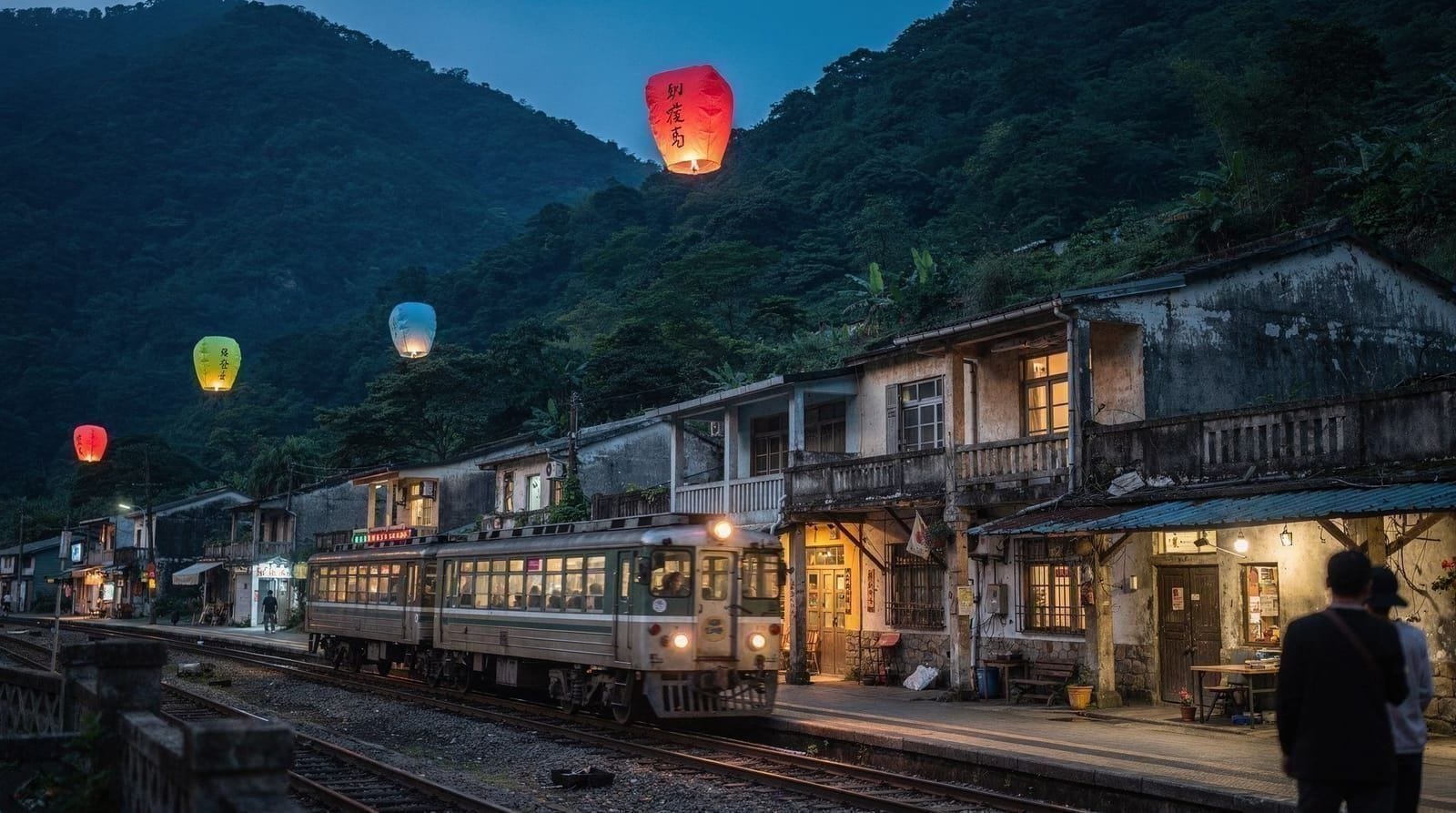
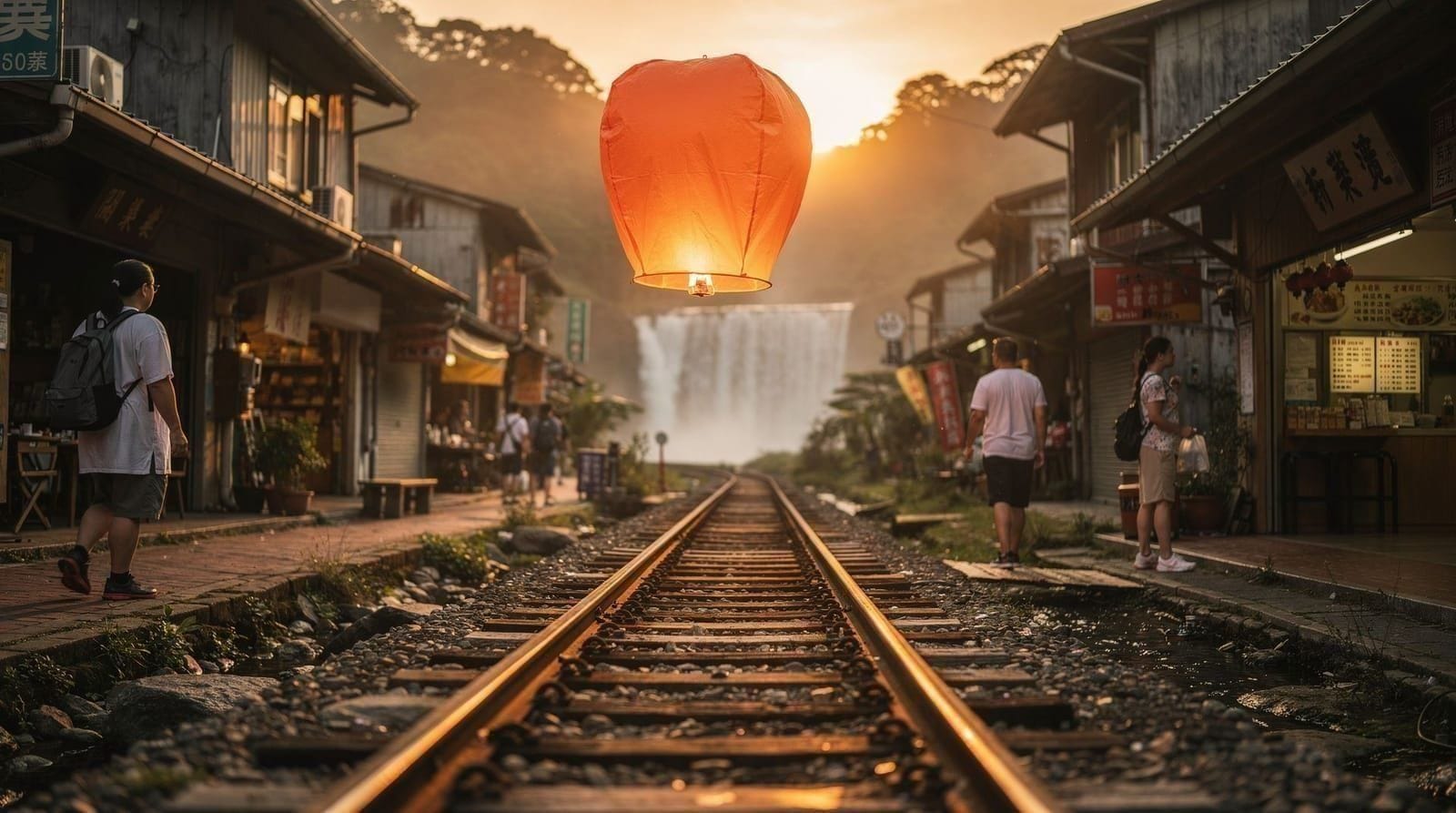
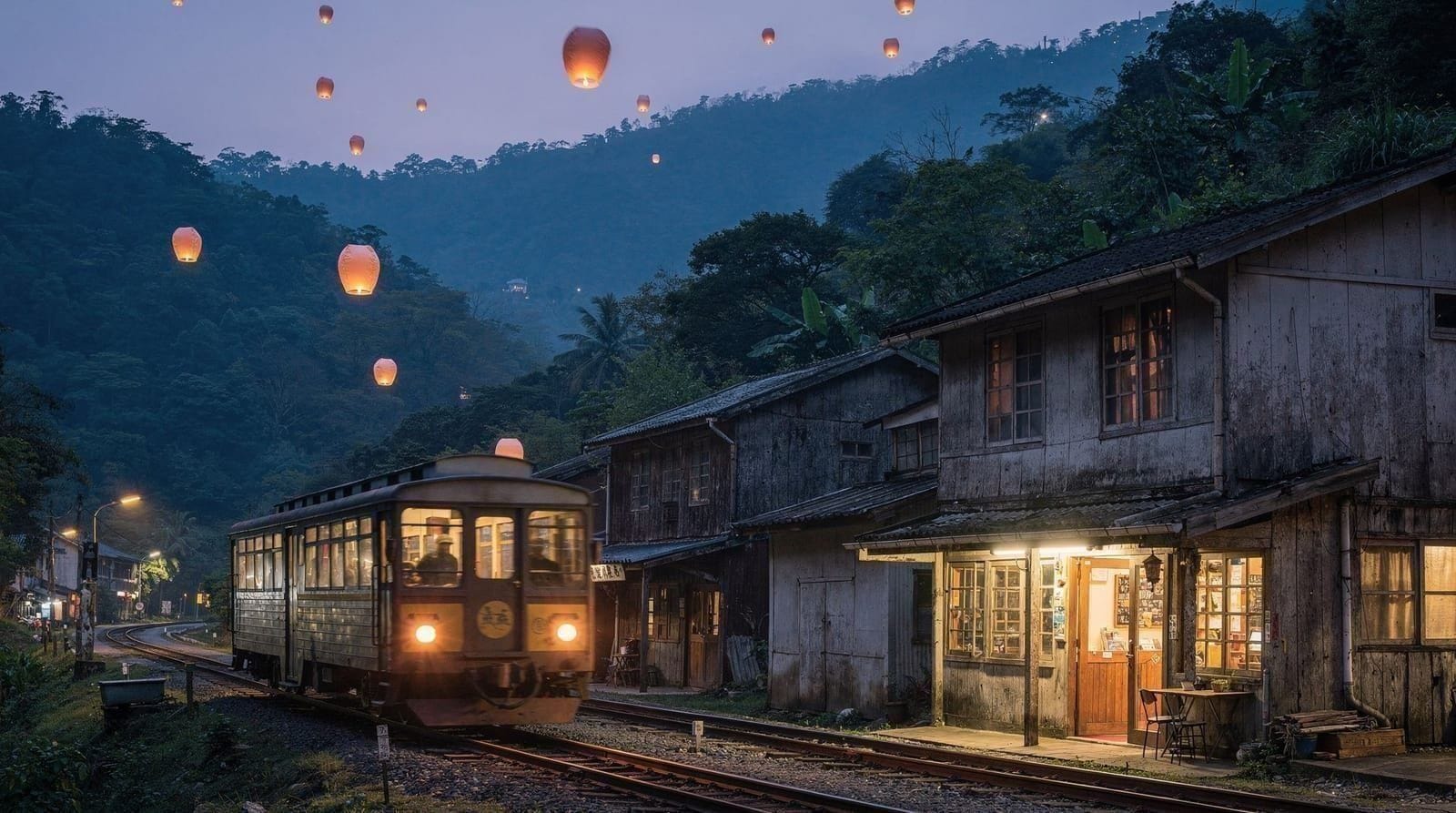
Every travel photo of Shifen shows the same thing: glowing paper lanterns ascending over a narrow gauge railway, travellers holding them aloft with arms outstretched, the old street buildings crowding both sides of the track. The reality is almost exactly like the photos, which is somewhat unusual for a popular tourist attraction.
The sky lantern (天燈, tiāndēng) tradition in Taiwan comes from the Lantern Festival (元宵節, Yuánxiāo Jié), but modern Shifen and Pingxi have commercialised it into a year-round activity. This review covers what you’re actually paying for, the environmental context you should know about, and how the guided tour compares to arriving by train independently.
| Where | Shifen, Pingxi Branch Line, New Taipei |
| Cost | Around NT$200–250 per lantern; NT$83 one-way train |
| Time needed | 2 hours (Shifen alone) to a full day combined with Jiufen |
| Getting there | Train Taipei → Ruifang → Shifen (Pingxi Branch Line) |
| Best time | Dusk for photos; weekday afternoons to avoid crowds |
The mechanics of a sky lantern release
When you arrive at Shifen’s railway track area, lantern vendors approach immediately. The pricing is honest and consistent across all vendors: NT$200 for a standard two-colour lantern, NT$250 for a four-colour lantern. The “colours” refer to the number of coloured sections you can write wishes on — four panels means more space and symbolic variety. Red panels for luck, yellow for health, blue for career, green for family (each vendor has a slightly different colour-meaning chart).
You paint or write wishes on the lantern sections using the provided brush and ink. This takes 5–10 minutes. Then the vendor inserts a waxy paper fuel block into the lantern’s bamboo base, lights it, and holds the lantern for the air inside to heat. As the lantern swells and lightens, you help hold the sides while the vendor supports the base. On the vendor’s signal — confirmed by checking for the train — you release together.
The lantern ascends slowly at first, then catches wind and lifts to 50–200 m altitude within a minute. It drifts in whatever direction the wind blows. After 3–10 minutes the fuel block burns out, the flame extinguishes, and the lantern descends. Most lanterns travel 1–5 km before landing.
The train: The Pingxi Branch Line is single-track and trains run every 30 minutes. Vendors watch the schedule and call time-outs when trains approach — everyone and everything clears the track, the train passes at walking speed, and the lantern session resumes. This is part of the experience rather than an interruption.
Group lanterns: Families or groups of 4+ often buy one large lantern together rather than individual ones — vendors will assign a panel per person for wish-writing while sharing the NT$200–250 cost. This is a reasonable way to keep the per-person price down without diminishing the experience for anyone in the group.
This 4-hour guided tour from Taipei covers the sky lantern experience at Shifen plus Shifen Waterfall with hotel pick-up and return transport. From NT$900/person — mainly useful if you want to combine both sights without coordinating the Pingxi Line schedule yourself.Check availabilityHonest assessment — what works and what doesn’t
What genuinely works:
The visual experience of releasing a glowing lantern over a narrow mountain valley, with the old street buildings framing both sides, is legitimately beautiful. It’s one of the more memorable things a visitor can do in Taiwan, and the NT$250 price for the full four-colour version makes it one of the cheapest genuine “bucket-list” experiences anywhere in Asia.
Children respond to it with complete delight — the fire, the lift, the ascent. Adults who aren’t overly cynical find something moving about the wish-writing even in a commercialised context.
What doesn’t work as well:
Crowds on weekend afternoons create a conveyor-belt feel — lanterns going up constantly, vendors recycling the lighting process every 3 minutes, groups jostling for track position. The individuality of the experience is diminished when 15 lanterns are rising simultaneously.
The environmental impact is real. The lanterns descend as litter — paper and bamboo — somewhere in the mountains or valleys downwind. The Taiwan government has actively discussed restricting the practice. The ethical calculus is yours; we’re just disclosing the facts.
The set lantern colours and vendor-assigned meaning chart is a simplified version of a traditional practice. If you want more cultural depth and context, the Pingxi Sky Lantern Festival (元宵節, Lantern Festival, late January/early February) is the authentic version with community involvement and historical context rather than tourist commercialisation.
Shifen vs. Pingxi — where to release
Shifen: The railway track setting is more dramatic and photogenic. The old street (300 m long) is compact and the lantern zone is immediately accessible from Shifen Station. More vendors, more volume, more crowd. The Shifen Waterfall (15-minute walk; check the official Shifen Waterfall Park information for current entry conditions) can be combined with the lantern in 2 hours.
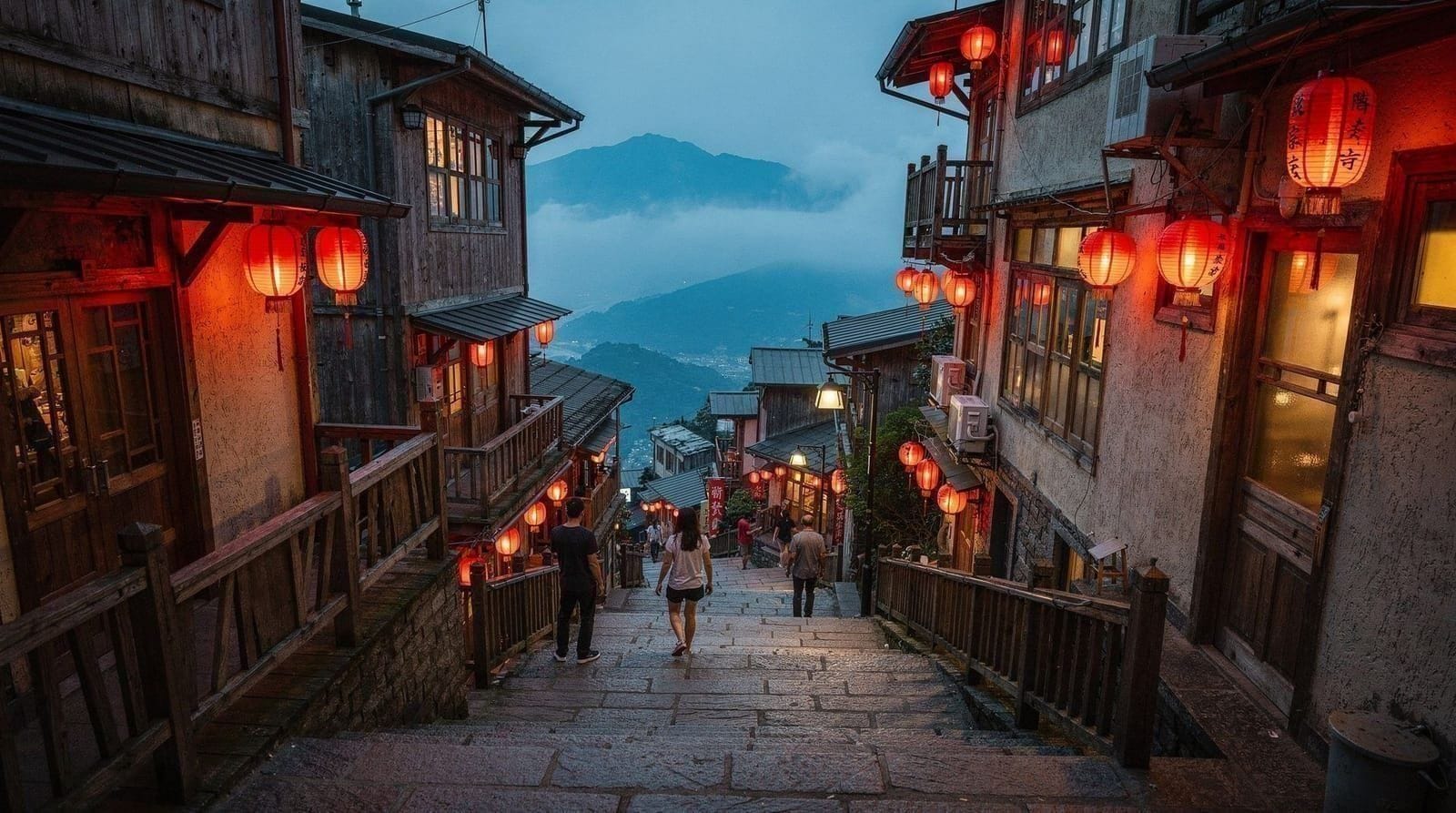
Pingxi: Slightly less crowded, open square release (not railway track), more authentic old-town feel. The Pingxi Sky Lantern Festival is centred here rather than Shifen. The village itself is quieter and the pace of the old street is more relaxed. Recommended if you’re bothered by crowds.
This Pingxi-based experience includes the sky lantern plus custom sticker decoration for the lantern panels — a slightly more personalised version of the ceremony than the standard brush-and-ink options at Shifen.Check availabilityIf Pingxi’s quieter pace appeals more than Shifen’s photogenic-but-crowded tracks, the Pingxi destination page covers the village beyond the lantern release — the old street shops, the smaller Sky Lantern Festival exhibition hall, and the walking connections to the rest of the branch line.
Getting there independently
Taipei Main Station → Ruifang (TRA, NT$57, 50 min) → Shifen (Pingxi Branch Line, NT$26, 20 min). Total one-way: NT$83, about 70 minutes.
The Pingxi Branch Line runs every 30 minutes from Ruifang 07:30–22:00. No advance booking needed — single tickets sold at Ruifang station. EasyCard works on the Pingxi Line.
Return: same route in reverse, or continue the Pingxi Line to Pingxi (1 more stop, NT$10) and Jingtong (1 more stop after that, NT$10) before returning via Ruifang.
Total independent transport cost: NT$166–196 round trip. The sky lantern itself: NT$200–250. Full day: NT$366–446 per person before any waterfall park entry.
For a fuller breakdown of the whole branch line — every stop, timing, and which villages to prioritise if you don’t have a full day — see the Pingxi Line day trip guide.
Guided tour options
This half-day bus tour from Taipei covers both Shifen and Pingxi with transport and a local guide — useful if you want to compare both villages’ lantern experiences in one day.Check availability If you want to combine the sky lantern release with Jiufen and the Keelung night market in one day, this tour handles the transport logistics of what would otherwise be a 3-connection journey.Check availabilityFor a full day-trip comparison, see best day trips from Taipei and the Shifen sky lantern guide. Many visitors combine the lantern release with Jiufen in a single day — the Jiufen day trip guide covers how to sequence both on the same branch-line loop.