Taipei in 3 days — the essential first-timer itinerary
Taipei: Yehliu Jiufen Shifen guided tour
Duration: 9 hours
What can you actually see in 3 days in Taipei?
Three days in Taipei is enough to hit the core: Longshan Temple and Dadaocheng in Wanhua, Taipei 101 and Xinyi for the skyline, a day trip to Jiufen and Shifen on the northeast coast, and a half-day in Beitou for hot springs. You won’t see Sun Moon Lake or Taroko (those need at least 5 days), but you’ll leave with a genuine feel for the city rather than a blur of selfie spots. This itinerary uses the MRT wherever possible and avoids the taxi trap of paying 10× for routes that cost NT$25 on the metro.
Budget reference: mid-range solo traveller spending NT$2,500–3,500 per day including accommodation, meals, transport, and one paid attraction per day. Entrance fees in TWD; conversions at NT$35 ≈ €1, NT$32 ≈ US$1.
| Where | Wanhua/Dadaocheng, Jiufen/Shifen, Xinyi, Beitou |
| Cost | around NT$2,200–3,100/day mid-range, all-in |
| Time needed | 3 full days, ideally not split up |
| Getting there | MRT + TRA train for the Day 2 coast trip |
| Best time | October–November; avoid July–September typhoons |
| Day | Focus |
| Day 1 | Old Taipei temples & night market |
| Day 2 | Northeast coast day trip |
| Day 3 | Skyline & hot springs |
Day 1: Old Taipei — temples, tea shops, and night-market dinner
Morning: Wanhua and Longshan Temple
Start at Longshan Temple (Longshan Temple MRT, Red Line 5), Taipei’s oldest and most atmospheric place of worship. Arrive before 9 am to see elderly regulars conducting morning rituals — incense smoke, red candles, and the steady clack of divination blocks. Entry is free; leave NT$50–100 as a donation if you use the fortune-telling sticks. Dress modestly (shoulders and knees covered).
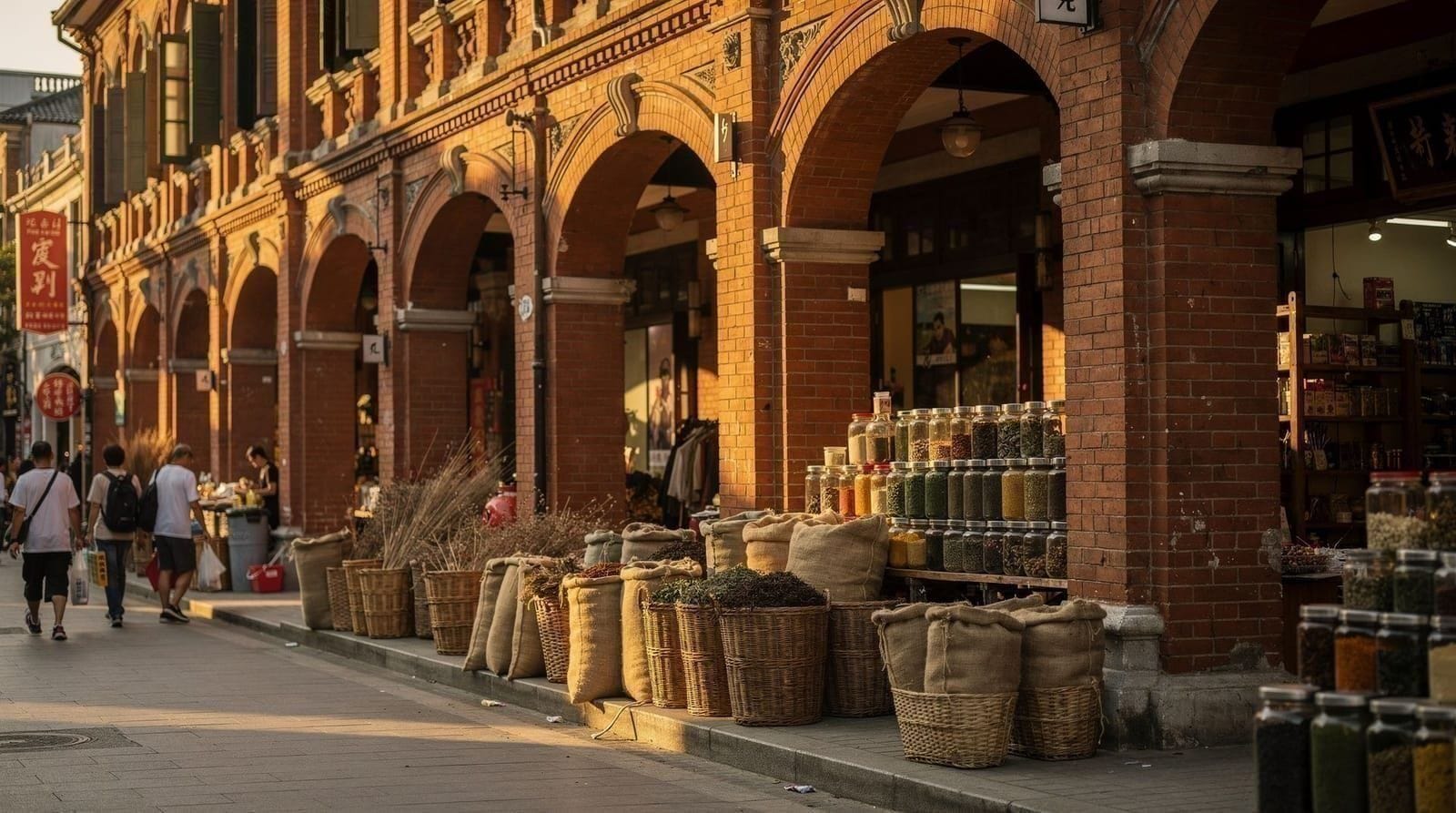
Walk ten minutes north to Dadaocheng and Dihua Street for a 90-minute wander through the old merchant quarter. Yongle Market (No. 21, Dihua St. Section 1) sells Taiwanese fabric and dried goods on the ground floor; the food stalls upstairs do solid breakfast bowls of congee and radish cake (NT$60–80).
From Dadaocheng, take a 20-minute walk or Uber (NT$120) to the National Palace Museum guide — but note the museum itself is a 30-minute bus ride north in Shilin. If your priority is temples and old town atmosphere today, skip the museum for Day 2 or 3.
Afternoon: Ximending and Zhongzheng
After lunch in Dadaocheng (beef noodles at Yong Kang Beef Noodle is NT$250 for a large bowl — worth it, queues by noon), take the MRT Red Line from Longshan Temple to Ximending (3 stops, NT$20). This pedestrian zone is Taipei’s answer to Harajuku: youth fashion, claw machine arcades, and bubble tea shops fighting for your NT$60. It’s pleasant for an hour, slightly overwhelming for two. Main highlight: the Red House (Ximen Red House), an octagonal 1908 Japanese colonial building now surrounded by indie boutiques and weekend craft markets.
Walk or MRT one stop to Chiang Kai-shek Memorial Hall (NT$0 entry). The main hall and changing of the guard (every hour on the hour) are worth 45 minutes. The surrounding Liberty Square and National Theater buildings are photogenic at golden hour.
Evening: Ningxia or Raohe night market
For your first Taipei night market, skip Shilin — it’s the biggest but also the most tourist-priced and chaotic. Either Ningxia Night Market (MRT Zhongshan Station, 10-minute walk) or Raohe Street Night Market (MRT Songshan Station, Red Line) gives a more local feel. Ningxia specialises in Taiwanese snacks: oyster vermicelli (NT$65), braised pork rice (NT$40), tofu soup. Budget NT$300–400 for a full eating session.
If you want a guided introduction to avoid the tourist-trap stalls, this 3-hour street food tour covers hidden spots across two markets and includes 8+ tastings (from NT$1,700/person).Check availabilityDay 2: Northeast coast — Jiufen, Shifen sky lanterns, and Yehliu
This is the classic day trip from Taipei that most visitors do at least once. The honest version: it involves a lot of bus time and crowds, especially at Jiufen on weekends. Weekday visits are significantly calmer.
Morning: Train to Ruifang for Jiufen
Take the TRA train from Taipei Main Station to Ruifang (NT$57, ~50 minutes; trains leave every 20–40 minutes, check the TRA app). From Ruifang station, Bus 788 or 825 climbs to Jiufen Old Street (NT$15, 15 minutes). Aim to arrive before 10:30 am before the day-trip buses park up.
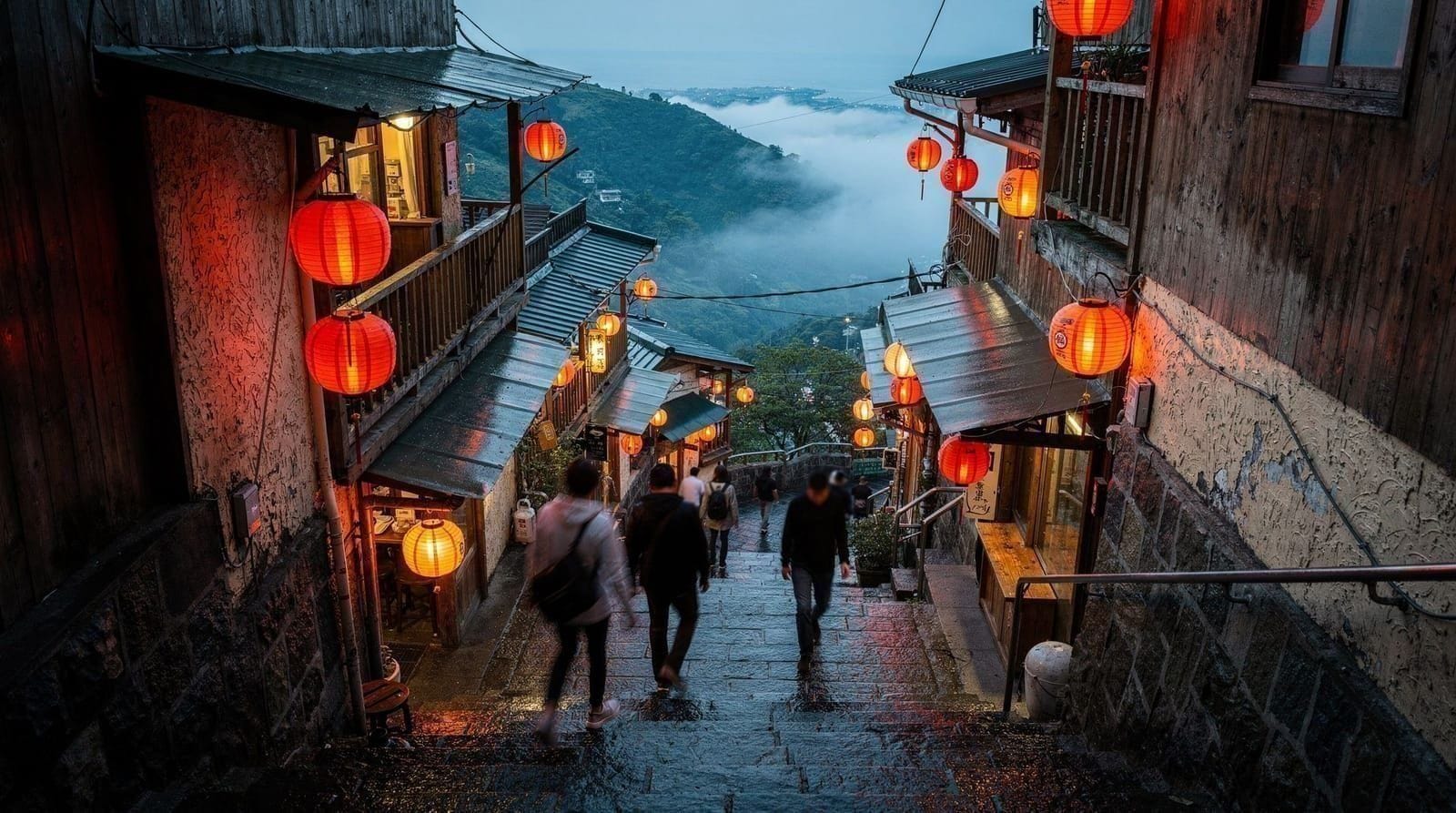
Jiufen is a former gold-mining town clinging to steep hillsides. The stone staircase at Shuqi Road is what you’ve seen in photos — red lanterns, teahouses, overlooks. A-Mei Tea House (at the top of the main stairs) is the most photographed but also the most expensive (tea set NT$450–600 per person with no minimum). Jiufen Yuan Teahouse on the lower lane does equivalent tea and views for NT$200. The views over the Pacific are genuinely worth it on clear days; fog is common October–February.
Afternoon: Shifen sky lanterns and Pingxi Line
Bus back to Ruifang (or walk 40 minutes downhill), then take the Pingxi Branch Line train to Shifen (NT$26, ~20 minutes). Shifen has two draws: the 20-metre Shifen Waterfall (check the official park information for current entry conditions) and the sky lantern experience. Lantern writing and release costs NT$200–250 for a four-colour lantern — do it at the train tracks (trains pass every 30 minutes; vendors and passengers clear the tracks well in advance). The experience takes 15 minutes and is genuinely enjoyable rather than kitsch.
If you’d rather skip the logistics, this guided full-day tour covers Yehliu, Jiufen, and Shifen with a pick-up from central Taipei (from NT$1,500/person). Worth considering if you hate timetable-juggling.Check availabilityReturn to Taipei via Ruifang and TRA (same route, NT$57). Back in Taipei by 18:00.
Evening: Raohe night market or rest
Raohe is a 5-minute walk from Songshan TRA station (same line you came back on). Black pepper bun (胡椒餅) from the stall at the temple entrance is the essential snack (NT$55). Budget another NT$200–300 for assorted skewers and stinky tofu.
Day 3: Taipei 101, Xinyi, and Beitou hot springs
Morning: Taipei 101 observatory
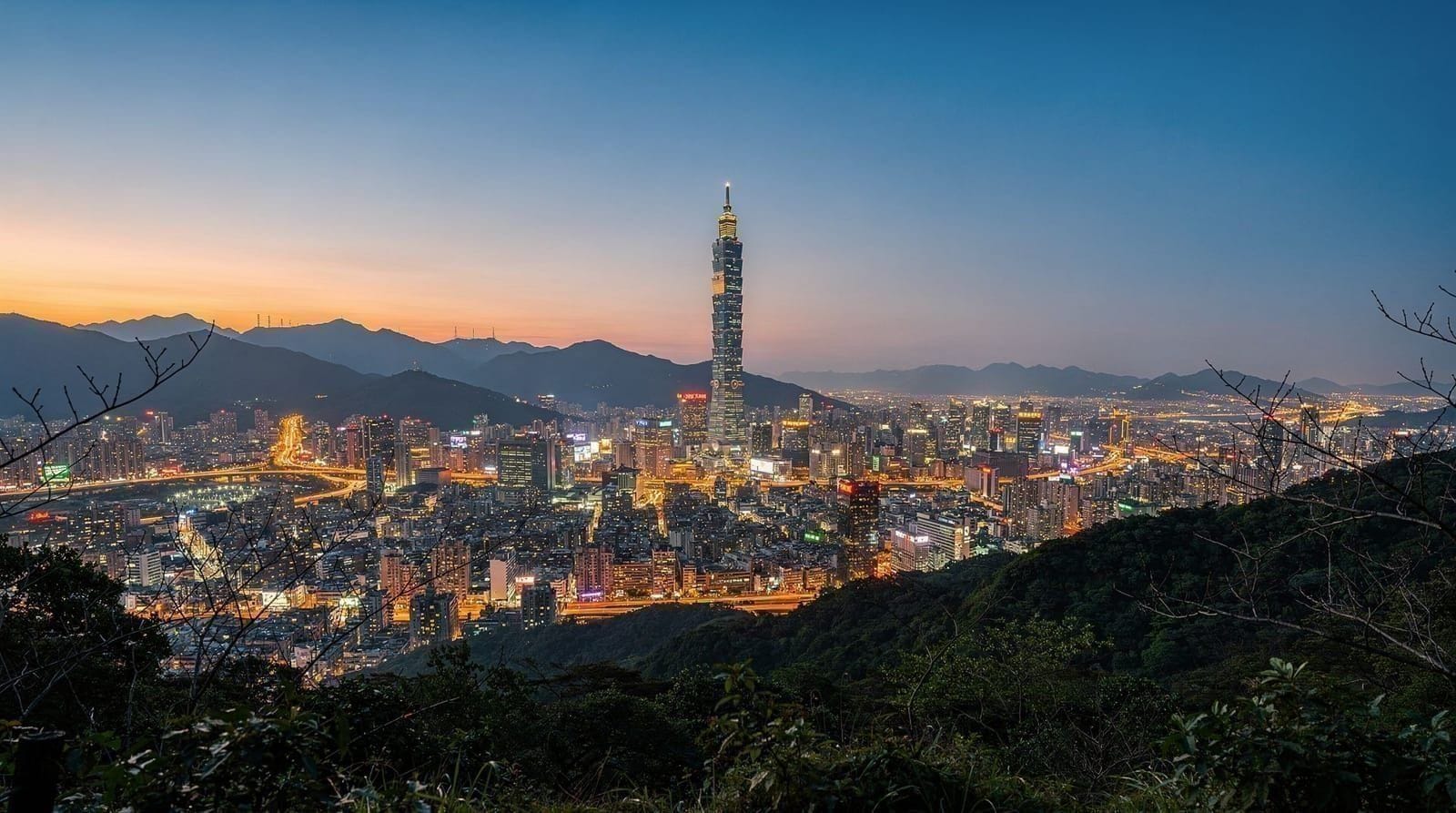
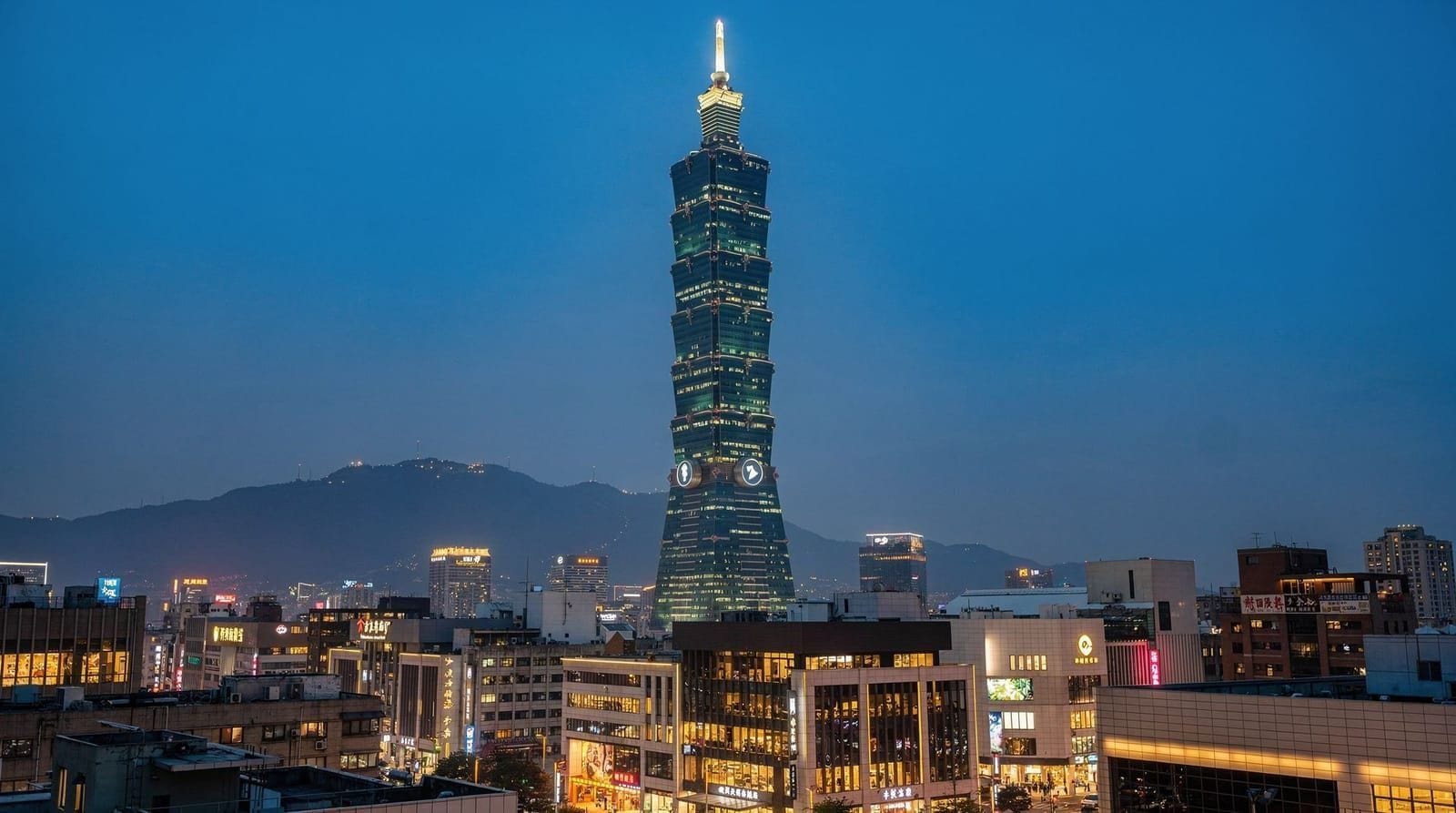
Take the MRT Blue Line to Taipei 101/World Trade Center station. Taipei 101 observatory (89th floor, 382 m) opens at 10 am (last admission 20:15); NT$600/person (~€17). Book online at least a day ahead to avoid queues of 45–60 minutes. The outdoor observation deck on the 91st floor adds wind and genuine vertigo at no extra cost above the indoor ticket price.
Book the standard observatory entry (NT$600) online to guarantee your slot and skip the ticket queue at the tower.Check availabilityThe Xinyi district below is all glass towers and upscale malls (ATT 4 Fun, Taipei 101 mall floors B1–5 have good food courts). Useful for lunch (Din Tai Fung in the basement of Taipei 101: NT$350–500 for a meal, queue or book via their site).
Afternoon: Beitou hot springs
MRT Red Line from Taipei City Hall (Blue) or transfer at Zhongxiao Fuxing → Red Line north to Beitou (NT$35, ~50 minutes), then transfer to the short Xinbeitou branch line (2 stops, included in the same fare).
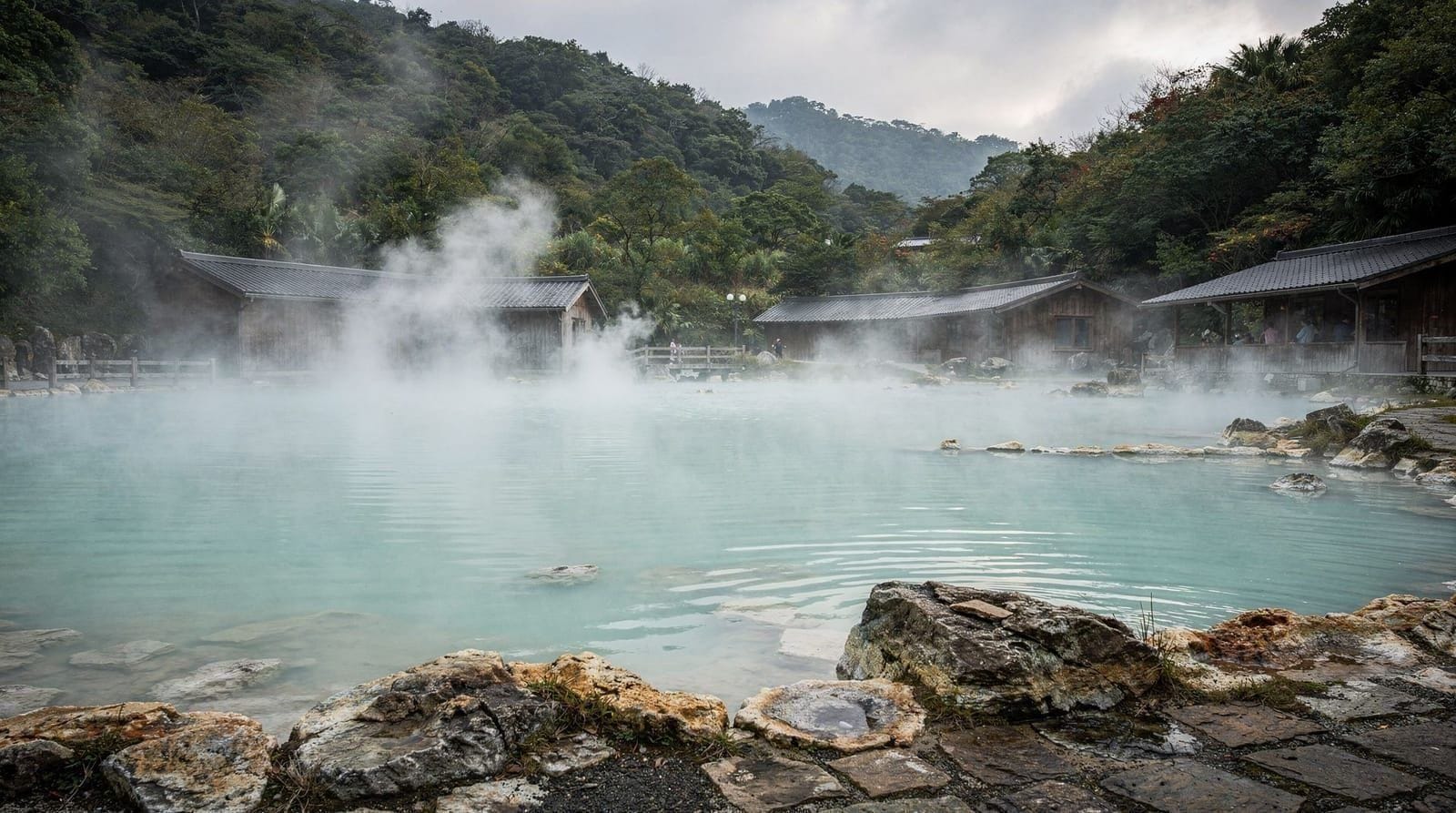
Beitou is Taipei’s original hot spring district. The water here is genuinely different: “green sulfur” water (mildly radioactive sodium bicarbonate) at Thermal Valley (free to enter) glows jade-green. Public hot spring baths at Beitou Hot Spring Public Bathhouse cost NT$100–200 for 80 minutes; bring your own swimwear and towel. Private rooms at nicer hotels cost NT$800–2,500 for two hours — Spring City Resort and Millennium Hot Spring are reliable choices without inflated tourist pricing.
This 2-hour guided heritage walk covers Beitou’s Japanese colonial architecture and hot spring history before depositing you near the bathhouses — useful if you want historical context alongside the soak.Check availabilityThe hot spring etiquette guide covers the basics: no swimwear in some facilities, no tattoos in others, shower before entering pools.
Return to Taipei on the same MRT line. Dinner in Shilin (one stop past Jiantan on the Red Line) at the Shilin Night Market — yes, it’s touristy, but the basement food court has genuine Taiwanese dishes at fair prices (NT$50–120 per item) without the inflated street-vendor chaos above ground.
What to cut if you only have 2 days
If a delayed flight or an extra work day eats into your trip, cut Day 3’s Beitou afternoon first — it’s the most skippable single block, since Beitou deserves its own dedicated half-day rather than a rushed 90 minutes. Keep Day 1 and Day 2 intact: together they cover the temple/old-town atmosphere and the coastal day trip, which are the two experiences visitors most regret missing. Taipei 101’s observatory can be swapped for a free view from Elephant Mountain instead, which costs nothing and takes 40 minutes round trip from Xinyi.
Rainy-day adjustments
Taipei’s wet season (May–June plum rains, plus scattered showers most of the year) can derail Day 2’s coastal plans specifically — Jiufen’s stone staircases get genuinely slippery and Shifen’s lantern releases are less pleasant in a downpour. If rain is forecast, swap Day 2 and Day 3: do Taipei 101 and Beitou (both largely indoor or under cover) on the wet day, and save the coast for whichever day clears up. The best time to visit guide has month-by-month rain patterns if you’re still planning your dates.
Practical notes for this 3-day itinerary
Getting around: Load an EasyCard (NT$100 card, then top up NT$500 for 3 days) at any MRT station. All MRT fares, buses, and the Pingxi Line accept it. See the MRT guide for fare zones. Taxis are metered and honest; flag falls at NT$85, most city trips are NT$120–200.
Day 2 transport total: Taipei–Ruifang train (NT$57×2) + Ruifang–Jiufen bus (NT$15×2) + Pingxi Line (NT$26) = NT$170 round trip. Far cheaper than any day-trip bus at NT$800+.
Accommodation base: Ximending area (Red Line convenient) or Zhongzheng/Zhongxiao for central access. Budget hostels from NT$700/night dorm; mid-range en-suite from NT$2,500. The where to stay guide breaks down neighbourhoods honestly.
Weather: Check best time to visit Taipei — typhoon season July–September disrupts day trips. October–November is optimal. Carry a compact umbrella year-round.
Visas: EU, UK, and US passport holders get 90 days visa-free. See the Taiwan visa guide for the Taiwan Arrival Card (mandatory online pre-registration).
Budget summary (mid-range, per person):
- Day 1: NT$2,600 (food NT$600, MRT NT$80, market dinner NT$350, accommodation NT$1,500)
- Day 2: NT$2,200 (train/bus NT$170, lanterns NT$250, food NT$600, accommodation NT$1,500)
- Day 3: NT$3,100 (Taipei 101 NT$600, hot spring NT$300, food NT$700, accommodation NT$1,500)
Read the Taipei travel budget guide for a full cost breakdown and budget-vs-mid-range comparisons.
Frequently asked questions about Taipei
Is 3 days enough time to see Taipei properly?
Yes, for the city core — temples, night markets, Taipei 101, and one coastal day trip to Jiufen and Shifen. You won’t reach Sun Moon Lake or Taroko Gorge, which need a dedicated multi-day extension covered in the 5-day itinerary.
Should I book the Jiufen and Shifen day trip as a guided tour or do it independently?
Independent travel by TRA train and Pingxi Line bus costs around NT$170 round trip and isn’t complicated, but a guided tour removes the timetable-juggling if you’d rather not manage transfers — both are reasonable choices depending on how much you enjoy independent logistics.
Top experiences
Bookable activities with verified prices and instant confirmation on GetYourGuide.