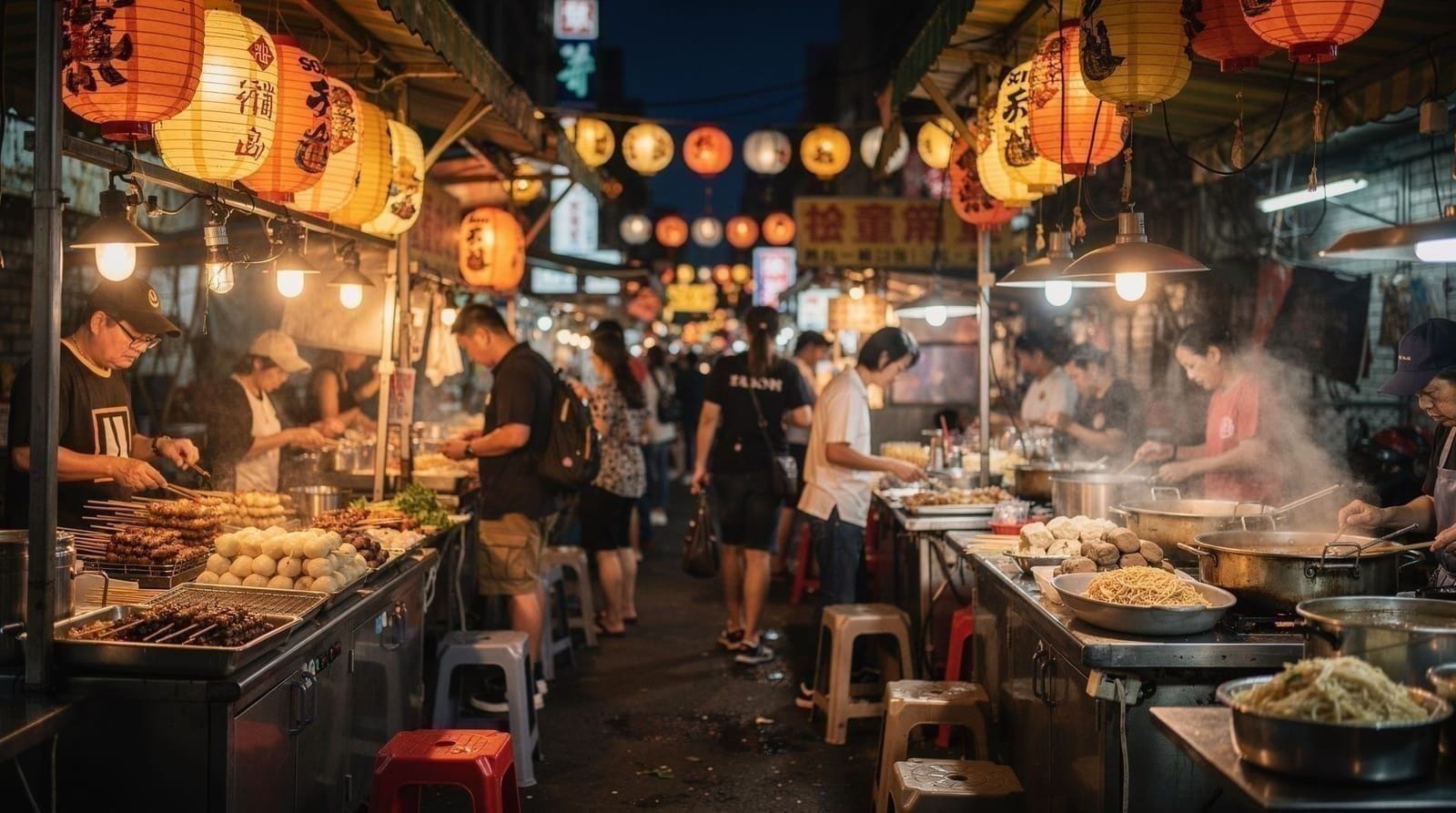
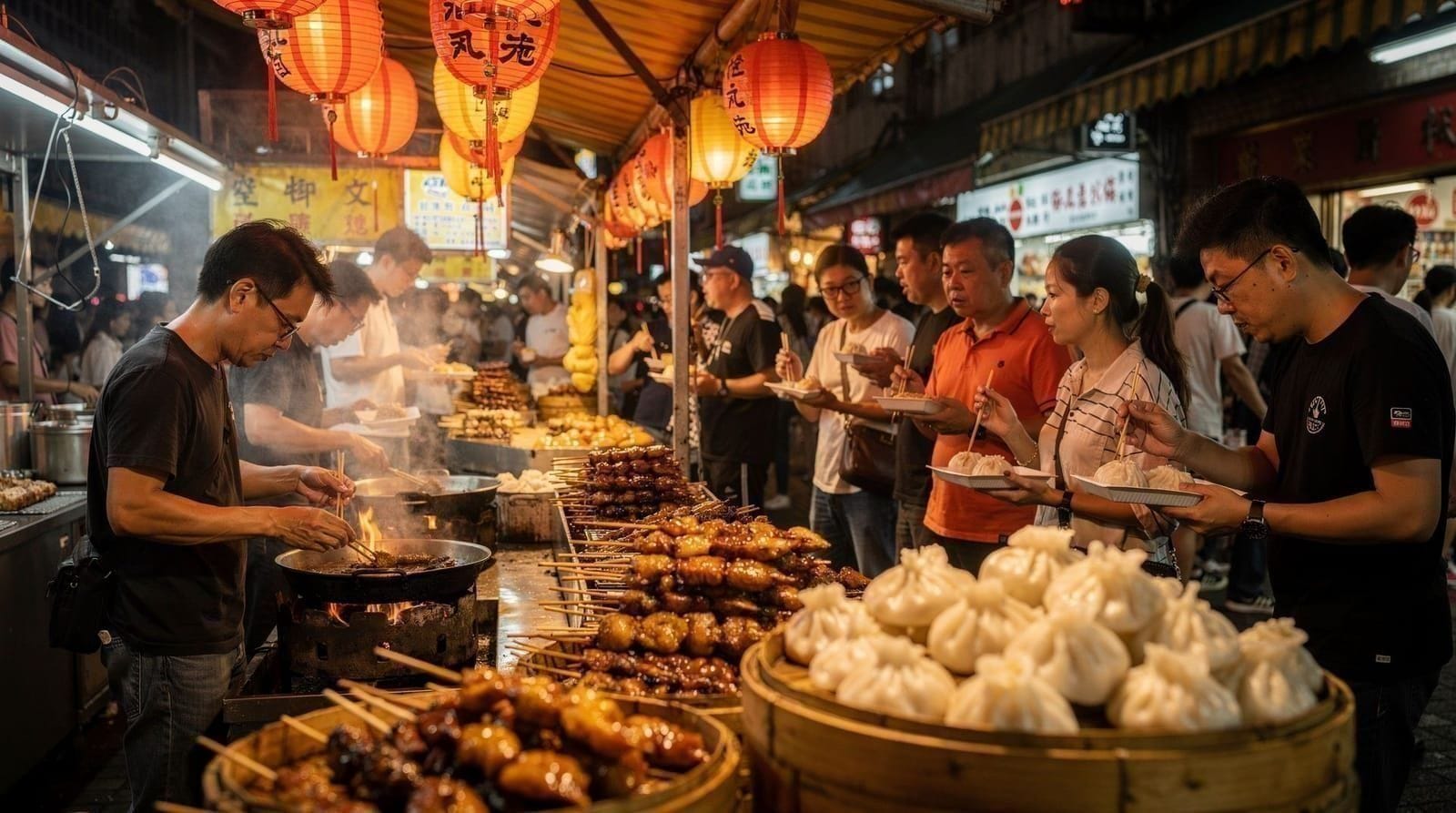
Taipei night markets — complete guide for 2026
Taipei: 2 hour Raohe night market fooddie tour
Duration: 2 hours
Which night market in Taipei is best?
Raohe Night Market is the best first-timer choice — compact, accessible by MRT, strong food quality. Ningxia is best for authentic local atmosphere and variety. Shilin is the largest but most tourist-adapted, with higher prices and inconsistent quality in the famous basement hall. Visit at least two night markets for a proper sense of the culture.
Night markets in Taipei: what they actually are
Taipei’s night markets are not tourist attractions that happen to sell food — they are neighborhood institutions that have been running for decades, where local families shop, eat and socialize on weekday evenings. Understanding this distinction matters for managing expectations.
The markets exist on a spectrum: Raohe and Ningxia remain primarily local; Shilin has shifted significantly toward tourists. Keelung’s Miaokou market is still almost entirely local. Gongguan is a student market. Each has a different character.
Night markets are also not interchangeable. Each one has a distinct geographical context, dominant food style, and crowd composition. Going to all of them in a single trip is possible — Raohe and Ningxia are only 20 minutes apart by MRT — but unnecessary. Two well-chosen markets in three days gives a more useful picture than rushing through four in one night. For help structuring your time around them, the Taipei first-timer guide has sample day-by-day itineraries that include market visits without over-scheduling.
| Market | MRT access | Best for | Crowd level |
|---|---|---|---|
| Raohe | Songshan Station | First-timers, temple entrance | Moderate |
| Ningxia | Zhongshan Station | Authentic local food, families | Low–moderate |
| Shilin | Jiantan Station | Scale, energy | High, especially weekends |
| Gongguan | Gongguan Station | Budget, students | Low |
| Keelung | 30-min train from Taipei Main | Seafood, day-trip pairing | Low, local |
| Linjiang (Tonghua) | Xinyi Anhe Station | Mid-range mix, off tourist radar | Low |
Raohe Night Market
MRT: Songshan Station (Green/Brown Line, exit 5 — the market entrance is the Ciyou Temple gate, hard to miss) Hours: 5pm–midnight daily Best for: First-timers, anyone wanting a real local atmosphere with accessible crowds
Raohe is Taipei’s most consistently good night market for first-time visitors. It is a single straight street roughly 600m long, so you cannot get lost. The entrance through Ciyou Temple (a working Mazu temple, free to enter) is one of the better approaches to any market in the city.
The temple itself is worth a few minutes before you eat. Built in 1753, it is one of Taipei’s oldest Mazu temples and draws genuine worshippers every evening — you will see locals burning paper offerings and consulting fortune sticks alongside tourists photographing the food stalls. The juxtaposition is not staged; this is simply how the neighborhood operates.
Must eat:
- Peppercorn bao (胡椒餅) at the first stall inside the temple gate — Fu Zhou Shi Zu is not signposted in English but you will see the coal-fired oven and the queue. TWD 60 (€1.70). Buy two.
- Oyster vermicelli (蚵仔麵線) — thick red sauce vermicelli with oysters and pig intestine. TWD 60–70. Bowls of around 350ml with a plastic spoon. Eat immediately.
- Stinky tofu (臭豆腐) — pungent, fermented deep-fried cubes. Polarizing. TWD 50–70.
- Herbal egg (藥膳蛋) — slow-cooked in herbal broth, TWD 20 each.
- Scallion pancake (蔥油餅) — fried flatbread with egg and optional fillings, TWD 30–50. Multiple stalls; quality varies but consistently cheap.
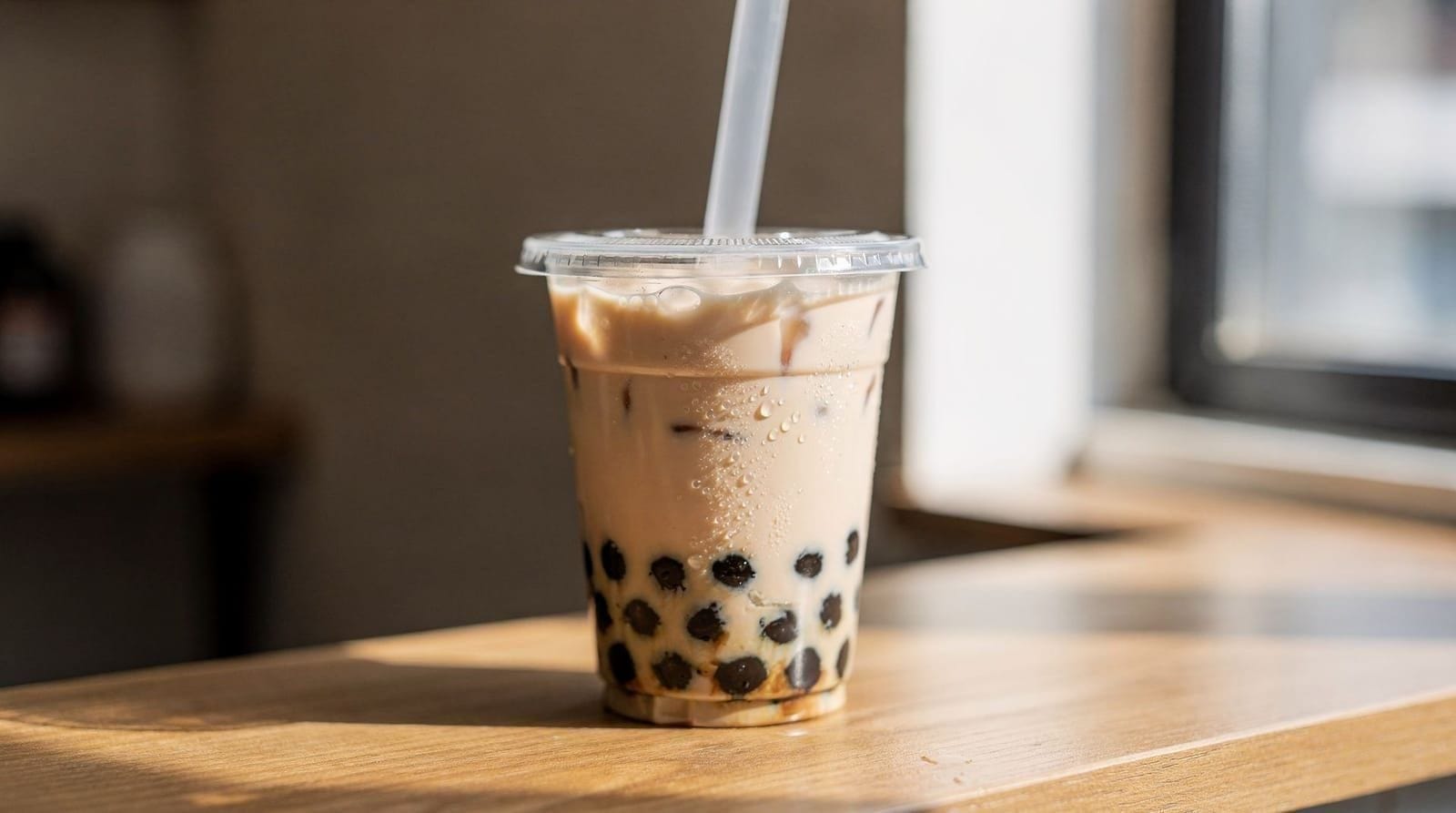
Raohe is also where you will find some of the best bubble tea vendors outside the major chain outlets. Independent stalls along the middle of the street offer fresh-brewed teas with real tapioca, typically TWD 45–65. The bubble tea guide covers how to tell the serious tea vendors from the sugar-syrup operations.
Guided 2-hour Raohe Night Market food tour — includes tastingsNingxia Night Market
MRT: Zhongshan Station (Red Line) or Xingtian Temple Station, 10-minute walk Hours: 5pm–11pm daily Best for: Authentic local markets, traditional Taiwanese dishes, families
Ningxia is less dramatic than Raohe and much less crowded than Shilin, but it has some of the best traditional Taiwanese food in Taipei. It is where the locals who work in Zhongshan district eat dinner. The market runs along Ningxia Road, a short street with about 70 stalls.
The street is narrower than Raohe and the seating is more informal — plastic chairs at folding tables pulled onto the pavement, vendors shouting orders across each other. It can feel chaotic at first. Lean into it: this is what night market eating is supposed to feel like.
Must eat:
-
Oyster omelette (蚵仔煎) — Taiwanese-style, with sweet potato starch, egg and sauce. TWD 60–80. Multiple versions available; try the one at the south end of the market.
-
Braised pork rice (魯肉飯) — slow-braised fatty pork over rice, TWD 40–60. The perfect carb base before trying other stalls.
-
Taro balls (芋圓) — sweet, chewy, served hot or cold. TWD 50–80.
-
Taiwan sausage (台灣香腸) — slightly sweet grilled sausage, TWD 50–70.
-
Coffin bread (棺材板) — thick toast filled with creamy seafood or chicken stew. Originally from Tainan, well-represented at Ningxia. TWD 70–90.
-
Peanut ice cream roll (花生捲冰淇淋) — vanilla ice cream in a crepe with shaved peanut brittle and fresh coriander. TWD 60–80. One of the better desserts at any Taipei night market.
The Ningxia Market is also notable for its communal eating culture — long shared tables, no rushing, and vendors who are more accustomed to regular customers than foreign tourists. Locals will share tables without ceremony; do the same.
Ningxia is also a good option if you are combining a night market visit with exploring the Dadaocheng and Dihua Street area during the day — the two are 15 minutes apart on foot, and the Zhongshan–Dadaocheng corridor is one of the more coherent ways to spend an afternoon into evening in Taipei.
Ningxia Night Market food walking tour — 2 hours with a local guideShilin Night Market
MRT: Jiantan Station (Red Line, exit 1) — note: not Shilin Station, which is further and less convenient Hours: 4pm–midnight daily (outdoor), 6pm–midnight (basement food hall) Best for: Scale, variety, nightlife energy; weakest for food value
Shilin is the biggest night market in Taipei — it occupies multiple city blocks in the Shilin district and draws the largest crowds. It is also the most tourist-adapted, with English menus, inflated prices and vendors oriented to international visitors. This is not necessarily bad, but it changes the experience.
The market has two distinct zones: the outdoor market (the original Shilin market, which surrounds the market building) and the indoor basement food hall. The outdoor zone is worth visiting; the basement hall is a consistent disappointment relative to price.
Where to eat at Shilin: The outdoor stalls surrounding the main market building are generally better than the basement food hall (which has consistent complaints about quality and pricing). Specifically:
- Dadong Road stalls (northeast of the market) for local-facing vendors
- Ay-Chung Flour Rice Noodle on Dadong Road (not inside the market building) — famous intestine vermicelli noodle, TWD 55–75 per bowl
- Grilled corn (台式烤玉米) — sweet, charred, brushed with butter and sauce, TWD 30–40
- Oyster mushroom tempura — various stalls, TWD 50–80
- Fried chicken steak (雞排) — a massive single piece of breaded, fried chicken, TWD 60–90. The ones near the market entrance tend to charge TWD 90–110; the Dadong Road version runs TWD 60–70 for the same product.
What to skip at Shilin: The basement food hall under the Shilin Market Building has inflated prices (oyster omelette for TWD 120 when Raohe charges TWD 60–80), identical vendors side by side, and the atmosphere is more indoor food court than night market. Many experienced travelers skip the basement entirely.
Shilin is also where you are most likely to encounter the photogenic novelty items aimed at social media — rainbow-coloured crepes, oversized skewers, bubble tea in unusual containers. These are not necessarily bad, but they are typically priced at a 30–50% premium over equivalent items at Raohe or Ningxia.
See the full Shilin vs. Raohe comparison for side-by-side analysis on food quality, prices, and crowd levels.
Gongguan Night Market
MRT: Gongguan Station (Green Line, exit 3) Hours: 5pm–midnight (busiest 6–10pm; some stalls open during day) Best for: Students, budget travelers, low-key evenings away from tourist markets
Gongguan is the night market adjacent to National Taiwan University, and it functions entirely differently from Shilin or Raohe. It is primarily a student market — cheap, efficient, without tourist pricing. The crowd on any given Tuesday evening is almost entirely NTU students and local residents from Wenshan and Zhongzheng districts.
The market runs along Roosevelt Road Section 4 and the surrounding lanes, with overflow stalls down Wenzhou Street toward the Treasure Hill Artist Village. It is less photogenic than Raohe and has no iconic anchor stalls, but it is genuinely cheaper: most items price at TWD 20–50 per piece, and a full dinner is achievable for TWD 150–200 (€4.15–5.55) per person.
What Gongguan is good for:
- Beef scallion pancake (牛肉捲餅) — similar to a burrito, with braised beef and cucumber, TWD 60–75
- Grilled skewers (烤串) — charcoal-grilled pork, chicken, quail eggs, mushrooms. TWD 15–35 per skewer
- Dan bing (蛋餅) — egg crêpe, Taiwanese breakfast staple available all evening here, TWD 30–50
- Cold noodles (涼麵) — sesame or peanut sauce, cold and filling, TWD 50–70
- Papaya milk (木瓜牛奶) — fresh-blended papaya and milk, no ice, TWD 40–60. Better than most tourist area versions.
The surrounding area also has Treasure Hill (寶藏巖), an old hillside settlement turned artist community, worth a walk before the market opens. And the Gongguan area bookshops — including Eslite at Gongguan — are open late if you want to browse between eating stops.
Gongguan is the right choice if you are staying near Da’an or Zhongzheng district, if you want the cheapest possible dinner, or if you find Shilin and Raohe overwhelming. It pairs well with a visit to the Zhongzheng / CKS Memorial Hall area during the day.
Keelung Miaokou Night Market
Transport: Train from Taipei Main Station to Keelung (~30 min, TWD 50/€1.40), then 10-min walk Hours: 4pm–midnight (core hours 5–10pm) Best for: Seafood, genuinely local atmosphere, half-day excursion from Taipei
Miaokou (庙口夜市) is one of Taiwan’s most famous night markets and is primarily attended by locals. The name means “temple entrance” — the market is in front of Dinji Temple. Keelung is a port city and the market reflects this: seafood-forward, heavy use of squid, oyster, and local coastal fish.
Notable items: sand crab soup (TWD 100–180/€2.80–5); grilled oyster (TWD 30–50/half dozen); tian buo lu (sweet-savory mix, TWD 60–80); braised pig’s knuckle rice (TWD 80–100).
The train ride itself is part of the experience — the Keelung line runs through the northern hills and arrives in a compact port city that feels quite different from Taipei. Plan to arrive by 5pm, eat until 8pm, and catch a return train before 9pm to avoid weekend crowds on the platforms. If you are making a full day of it, Keelung pairs naturally with Jiufen or the Yehliu Geopark, both accessible from Keelung.
This is worth combining with a morning visit to Yehliu Geopark nearby.
Linjiang (Tonghua) Night Market
MRT: Xinyi Anhe Station (Red Line, exit 4) Hours: 6pm–midnight (Thu–Tue; closed Wednesday) Best for: Mid-range mix of eating and shopping, less crowded than Raohe or Shilin
Linjiang is a residential market in Da’an district, running along Linjiang Street from Xinyi Road to Heping East Road. It is less famous than the others and rarely appears on tourist itineraries, which is part of its appeal. The vendors here are serving local Da’an residents — office workers, families from the nearby apartment blocks — not tour groups.
The market has two parallel streets: Linjiang Street (food) and Tonghua Street (mixed food and cheap goods). The Tonghua section is better for eating; the Linjiang section has more household items and clothing aimed at locals.
What to eat at Linjiang:
- Salt and pepper tofu (鹹酥雞) — deep-fried cubes with garlic, chili and basil, TWD 60–90 per portion
- Shaved ice (剉冰) — fresh fruit over fine ice, generous portions, TWD 60–100 depending on toppings
- Beef noodle soup (牛肉麵) — several proper sit-down stalls here with better-than-average broth depth, TWD 100–160 per bowl
- Grilled sausage with sticky rice (大腸包小腸) — glutinous rice “bun” with a sausage inside, TWD 55–75. Unique to Taiwan, worth trying.
- Spring onion flatbread with sesame (燒餅) — flaky, layered, best eaten immediately, TWD 25–40.
Linjiang closes on Wednesday — the one day of the week when vendors rest. Everything else is open seven days. Weekday evenings (Monday, Tuesday, Thursday) are the least crowded and the most pleasant for eating without being jostled. If your hotel is in the Da’an, Xinyi or Xinyi Road area, Linjiang is more convenient than going all the way to Raohe or Shilin.
The Xinyi district is a 15-minute walk east from Linjiang along Xinyi Road — combining a pre-dinner walk through Taipei 101’s luxury mall area followed by Linjiang is a common local approach to an evening out.
Navigating night markets with dietary restrictions
Vegetarian and vegan
Vegetarian eating at night markets is harder than it looks. The majority of broths — including those for seemingly vegetable-based dishes like oyster vermicelli and braised items — are made from pork bones or dried seafood. Stalls rarely disclose this unless asked directly.
Safe bets across all markets: scallion pancake (蔥油餅, specify no egg for vegan), taro balls (芋圓), sweet potato balls (地瓜球), grilled corn, shaved ice, and most fresh fruit desserts. Some stalls sell vegetarian stinky tofu specifically fermented without animal products — look for the orange vegetarian symbol on the signage.
Buddhist vegetarian restaurants near the markets are the better alternative if you have strict requirements. Xingtian Temple area (near Ningxia) has several. Use Google Maps with “素食” as a search term near your market.
Halal
There are no certified halal stalls at the major night markets. Pork is ubiquitous — in broths, marinades, frying oils, and fillings. Muslim visitors should look for the small number of halal-certified restaurants in the Zhongshan and Da’an districts rather than relying on the markets. The halal options at night markets amount to: fresh fruit, plain corn on the cob, some dessert items, and coconut juice — not a sufficient meal.
Shellfish allergies
High risk environment. Many broths and sauces contain dried shrimp or oyster paste as a base flavoring even when shellfish is not the advertised ingredient. Scallion pancakes with no sauce, plain grilled meats and fruit desserts are the safest options.
Cross-contamination generally
All night markets use shared cooking surfaces and oil. If you have a severe allergy of any kind, the practical reality is that cross-contamination is not manageable here. Budget restaurant dining with English menus or hotel dining is the safer choice.
What to do if you hate crowds
Night market crowds at peak time on a weekend can be genuinely overwhelming — dense, loud, with little personal space. A few tactics that help:
Timing: Weekday evenings between 5:30pm and 7pm are consistently the least crowded period at any Taipei night market. This is the local after-work dinner window before tourists arrive from hotels. At Raohe, arriving at 5:30pm on a Tuesday means you can walk freely; arriving at 8:30pm on a Saturday means shuffling.
Market choice: Gongguan and Linjiang (Tonghua) are structurally less crowded than Raohe, Ningxia or Shilin because they are off the tourist circuit. Neither will be empty on a Saturday, but neither reaches the density of Shilin at 9pm.
Eat at the edge: The middle of a night market street is always more crowded than the edges. Stalls at the very entrance and exit of a market are typically 30–40% less busy than those in the middle, often for identical food.
Come early and stay: Rather than arriving at peak time and fighting crowds, arrive when the market opens (5pm), eat through 7pm, and leave before the main wave arrives. You will eat the same food in a third of the time and enjoy it more.
If you are genuinely crowd-averse, consider focusing on Taipei’s best street food in Taipei across different neighborhoods rather than concentrating on the markets. There are excellent standalone vendors in Zhongshan, Da’an and Wanhua that offer the same quality without the market format.
Practical logistics: cash, bags, and what to wear
Cash: Withdraw TWD at an ATM before going — 7-Eleven and FamilyMart ATMs accept international cards and are everywhere. Budget TWD 500–700 (€14–19) per person for a serious eating session. Larger amounts are fine but you will rarely need more than TWD 1,000 per person in a single evening.
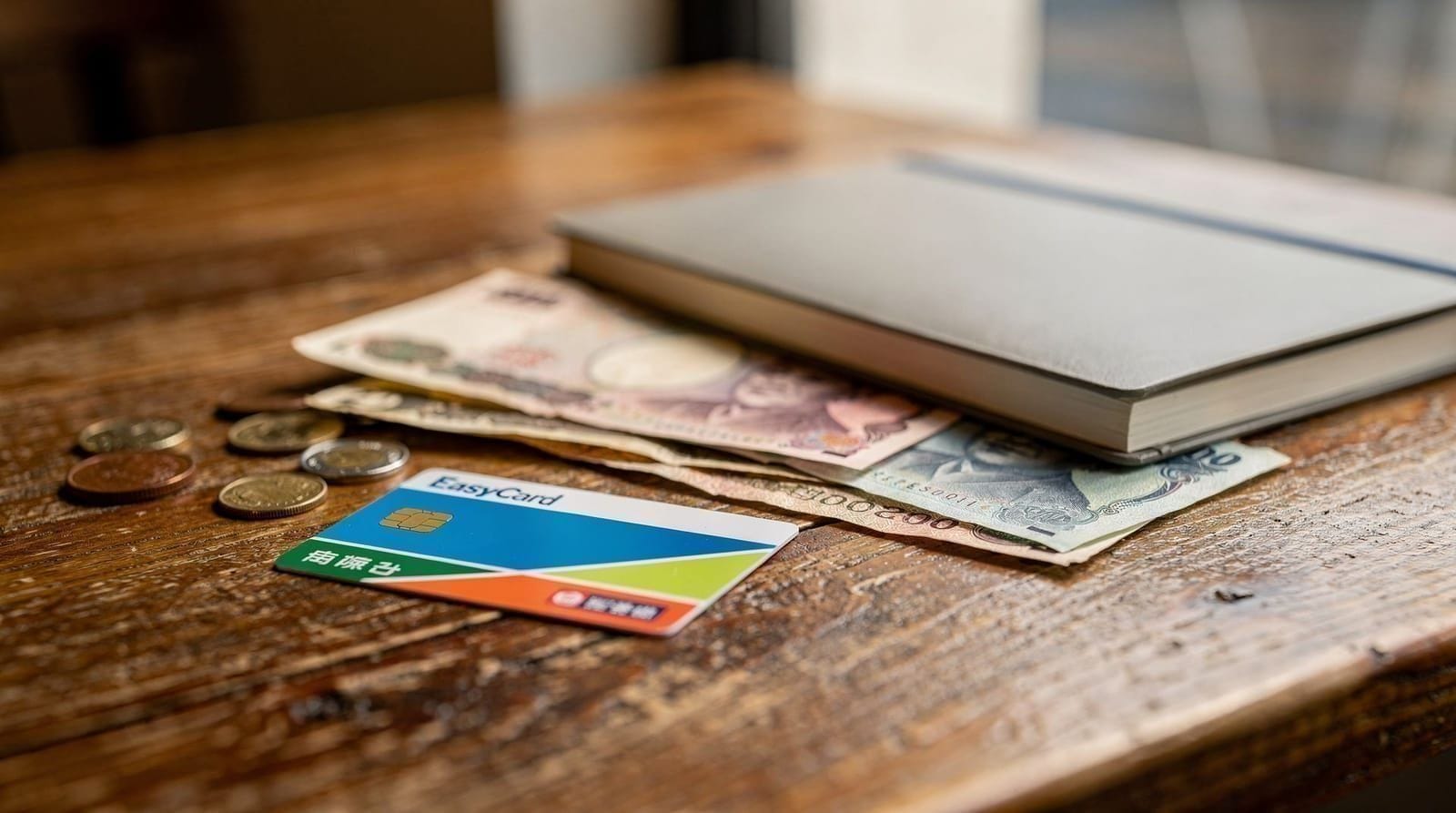
EasyCard: The EasyCard guide covers all MRT and transport uses. At night markets, EasyCard works at occasional larger stalls but cannot be relied on — always have cash. Do not go to a night market without cash.
Bags: A small crossbody bag or a daypack you can wear on the front. Night markets are generally safe but pickpocketing occurs in the densest areas of Shilin and occasionally Raohe. Avoid carrying a wallet in your back pocket. Large rolling suitcases are impractical and inconsiderate in crowd conditions.
Footwear: Closed-toe shoes or sneakers. The ground around food stalls gets wet, oily, and occasionally slippery. Sandals are not dangerous, but you will regret them at busier markets. Avoid flip-flops entirely.
Clothing: Casual. Nobody is dressed up. Light layers if you are visiting in autumn or winter (October–February), as some markets can be draughty in cooler weather.
Phones: Most vendors do not speak English. Google Translate in camera mode (pointing at Chinese characters) works well for menus. Download an offline Taiwanese Mandarin language pack before you go — mobile data can be slow in dense market areas.
Seasonal and weather considerations
June–September (hot season): Night markets are bearable from 7pm onward when the temperature drops slightly, but evening humidity can still exceed 80%. Bring a small towel or use vendor tissues. Shaved ice (剉冰) and cold drinks become essential rather than optional. Markets are busier in summer due to increased tourist volume.
October–November (best season): Lower humidity, temperatures 20–28°C in the evenings. The most comfortable time to spend an extended evening at a market. Outdoor markets become pleasant rather than sticky.
December–February (cool season): Temperatures drop to 12–18°C in the evenings. The hot food — braised pork rice, soups, herbal eggs, warm taro balls — comes into its own. Shilin and Raohe remain open; some smaller stalls at Linjiang and Gongguan close on rainy winter days.
Typhoon season (July–September): If a typhoon warning is issued for Taipei, all night markets close. This is a government directive, not a choice. Check the Central Weather Bureau website before heading out if there is any active weather advisory. The best time to visit Taipei page has a full seasonal breakdown with typhoon probability by month.
Rain: Light rain does not close markets — most vendors have corrugated metal roof covers. Heavy rain makes them genuinely unpleasant, with flooding in lower sections and slippery ground. The basement hall at Shilin becomes more appealing in heavy rain simply because it is covered; this is the one context where the basement has an edge.
Night markets versus day markets: a note on Dihua Street and Dongmen
Night markets are only one format of Taipei market culture. Two daytime equivalents are worth knowing:
Dihua Street (Dadaocheng): A permanent market street open daily in the Dadaocheng district. Historically a dried goods, textile and traditional medicine market; today it has kept those vendors while adding tea shops, craft stores and cafes. There is no entertainment element — it is purely commercial, quiet and easy to browse. Best visited in the morning or afternoon. Full coverage in the Dadaocheng and Dihua Street guide.
Dongmen Market: A covered public market in Da’an district (Dongmen MRT, Red Line). Open mornings and late afternoon, not evenings. Primarily fresh produce, tofu, fish and meat. Interesting for seeing where local households shop, but not a food destination in the same sense as a night market.
The key difference: night markets are about eating while standing, socializing and browsing in the dark; day markets are functional shopping with fewer concessions to leisure. They serve different purposes and are not substitutes for each other.
Night market strategy
Which order to visit
If visiting multiple markets, the suggested order:
- Raohe first — best overall food, easy to navigate, good introduction
- Ningxia second — more traditional, less crowded in the evening
- Shilin third — experience the scale, but go for the outdoor stalls
This order means you do not set your baseline with the most tourist-adapted market.
What time to arrive
For any market: arrive by 6–7pm on weekdays to eat comfortably, by 5:30pm on weekends. After 9pm on a Saturday, Shilin is genuinely difficult to navigate with heavy crowds. Raohe is more manageable but still packed.
How much to eat
Night market eating works best as tasting — order one or two items per stall, share if traveling with others, and keep moving. A fixed mindset of “one main course” from one stall misses the point. Budget TWD 300–400 (€8.30–11) per person for a proper eating session across 8–10 different stalls.
If you are traveling on a tight budget, night markets are one of your best tools — it is genuinely difficult to spend more than TWD 250 per person at Gongguan or Ningxia. The Taipei on a budget guide has a full breakdown of how to eat well for under TWD 500 a day.
Hidden eats night market food tour — explores off-script stalls with a local guideCheck availabilityA realistic first-time plan (90 minutes)
If you only have one evening and want a genuinely satisfying introduction rather than an overwhelming crawl, here is a workable structure at Raohe:
- Arrive 6:00pm — enter through the Ciyou Temple gate, spend 5 minutes inside the temple before eating.
- 6:10–6:30pm — peppercorn bao at the entrance stall, eaten while walking.
- 6:30–7:00pm — work down the street: oyster vermicelli, then a scallion pancake, sharing portions if traveling with others.
- 7:00–7:20pm — stinky tofu, if you’re willing to try it — this is the moment most first-timers commit or decline.
- 7:20–7:45pm — dessert (taro balls or shaved ice) and a bubble tea from an independent stall, not a chain.
- 7:45–8:00pm — walk back through the temple grounds, now lit and quieter, before heading to the MRT.
The same structure works at Ningxia with different specific dishes. Trying to replicate this at Shilin on a Saturday night is harder simply because of crowd density — budget closer to 2 hours there for the same amount of eating.
Night markets for different travel styles
Families with young children: Ningxia and Gongguan are calmer and less crowded than Shilin or Raohe at peak times, with wider aisles and less jostling. Arrive earlier (5:30–6:30pm) before the evening rush.
Couples wanting atmosphere over efficiency: Raohe’s temple entrance and Linjiang’s quieter side streets photograph and feel better than the more transactional pace of Shilin.
Budget travelers: Gongguan and Ningxia consistently offer the lowest prices per item — see the Taipei on a budget guide for how a full night market dinner fits a shoestring daily budget.
Solo travelers: Any market works alone, but Raohe’s single straight street makes it the easiest to navigate without a companion to hold your place in line or watch a bag.
Night market vocabulary
| Dish | Chinese | Approx. cost |
|---|---|---|
| Oyster omelette | 蚵仔煎 | TWD 60–80 |
| Stinky tofu | 臭豆腐 | TWD 50–80 |
| Scallion pancake | 蔥油餅 | TWD 30–50 |
| Bubble tea | 珍珠奶茶 | TWD 50–80 |
| Braised pork rice | 魯肉飯 | TWD 40–60 |
| Peppercorn bao | 胡椒餅 | TWD 55–70 |
| Oyster vermicelli | 蚵仔麵線 | TWD 55–75 |
| Shaved ice | 剉冰 | TWD 60–100 |
| Grilled squid | 烤魷魚 | TWD 80–150 |
| Salt and pepper chicken | 鹹酥雞 | TWD 60–90 |
| Fried chicken steak | 雞排 | TWD 60–90 |
| Sausage in glutinous rice | 大腸包小腸 | TWD 55–75 |
| Coffin bread | 棺材板 | TWD 70–90 |
| Taro balls | 芋圓 | TWD 50–80 |
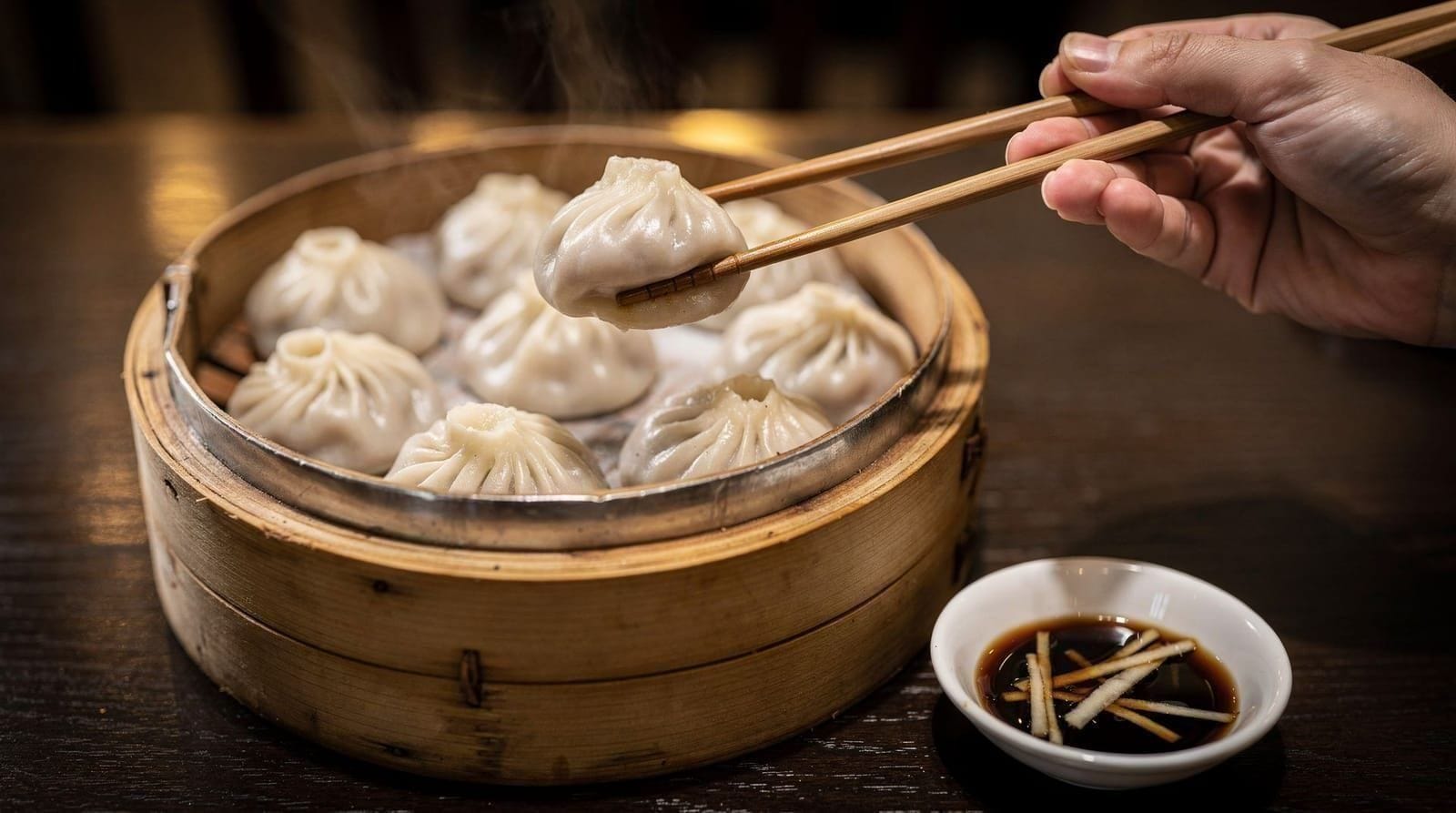
For a full rundown on Taipei street food beyond night markets, see best street food in Taipei. For bubble tea specifically, the bubble tea guide covers the major chains and independents. If you are planning around price, the Taipei travel budget page has current per-day estimates that incorporate night market meals into realistic spending scenarios. If xiaolongbao and Din Tai Fung matter more to your food trip than street stalls, the xiaolongbao guide covers that side of Taipei dining.
Private night market tour with food tastings — flexible, customizable itineraryCheck availabilityFrequently asked questions about Taipei night markets — complete guide for 2026
What time do Taipei night markets open?
Is cash required at Taipei night markets?
How much does a meal cost at a Taipei night market?
Is Shilin Night Market overrated?
Which night market is easiest to get to by MRT?
Can I eat at a Taipei night market if I'm vegetarian?
What should I eat at Shilin Night Market?
Are there night markets outside central Taipei?
Top experiences
Bookable activities with verified prices and instant confirmation on GetYourGuide.