Best time to visit Taipei — month by month guide
Taipei: Yangmingshan National park half day tour
Duration: 5 hours
When is the best time to visit Taipei?
October and November are the sweet spot — temperatures sit around 22–26°C, typhoon risk has passed, and the city isn't yet in peak holiday mode. Spring (February–April) is a close second for cherry blossoms and cool breezes, though Lunar New Year crowds can spike in late January or early February.
| Best months | October–November (22–26°C, low rain) |
| Avoid | July–August (typhoon peak, 34–36°C) |
| Cherry blossoms | Late February–mid March, Yangmingshan |
| Rainiest | May–June (plum rains), Jul–Sep (typhoons) |
| Cheapest hotels | May–June and July–August |
When to go: the short version
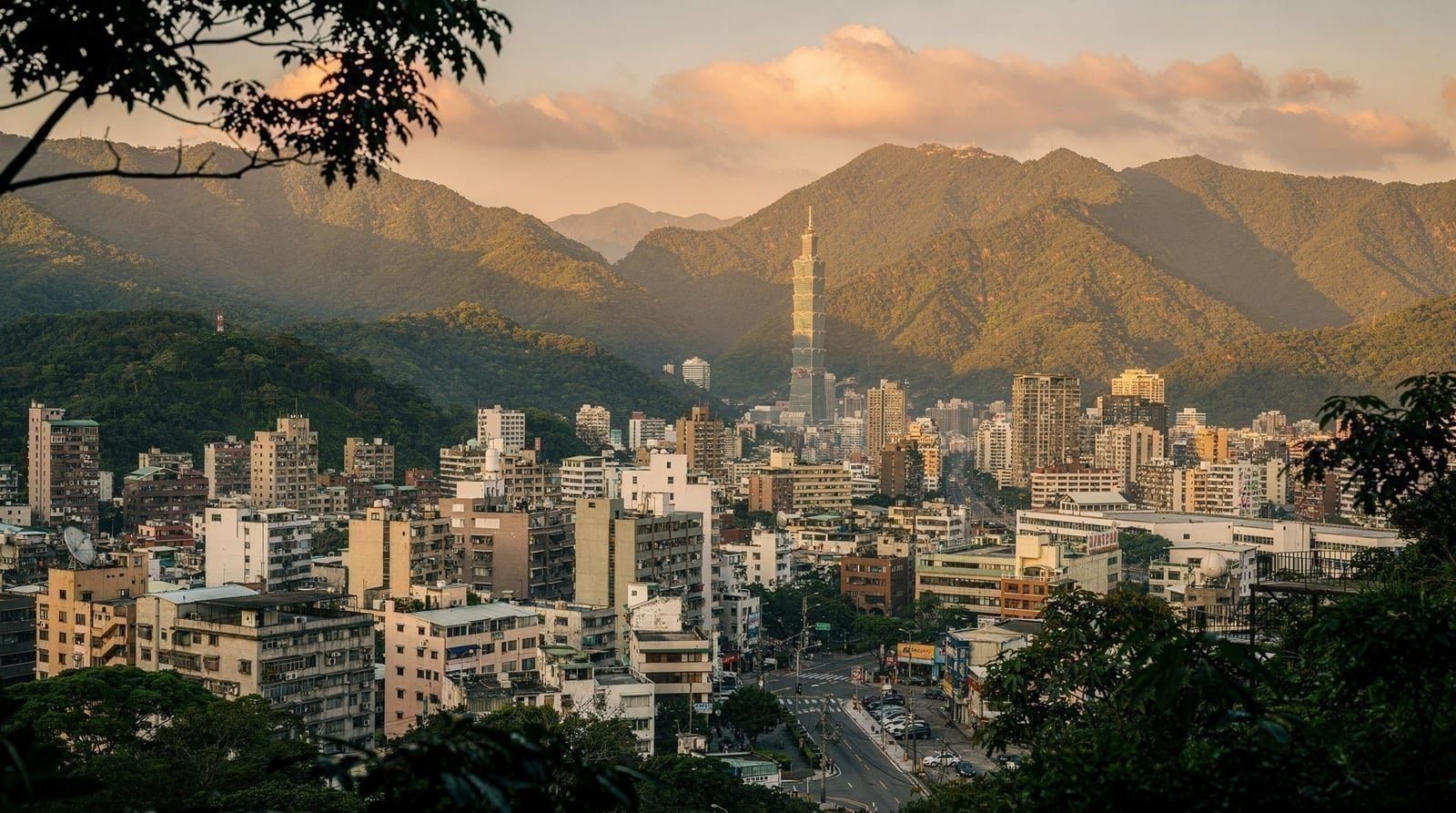
Taipei rewards visitors who time their trip carefully. The city sits in a subtropical basin, which means heat and humidity are serious factors from May through September. The good news: October and November offer what is genuinely ideal weather for most visitors — clear skies, 22–26°C, low typhoon risk, and moderate crowds. Spring (February–April) runs a close second, with cherry blossoms and calla lilies adding a visual bonus.
Below is a month-by-month breakdown, followed by specific seasonal considerations that affect day-trip logistics, festival timing, and budget.
Month-by-month breakdown
January
Temperature: 13–17°C | Rain: moderate | Crowds: rising toward Lunar New Year
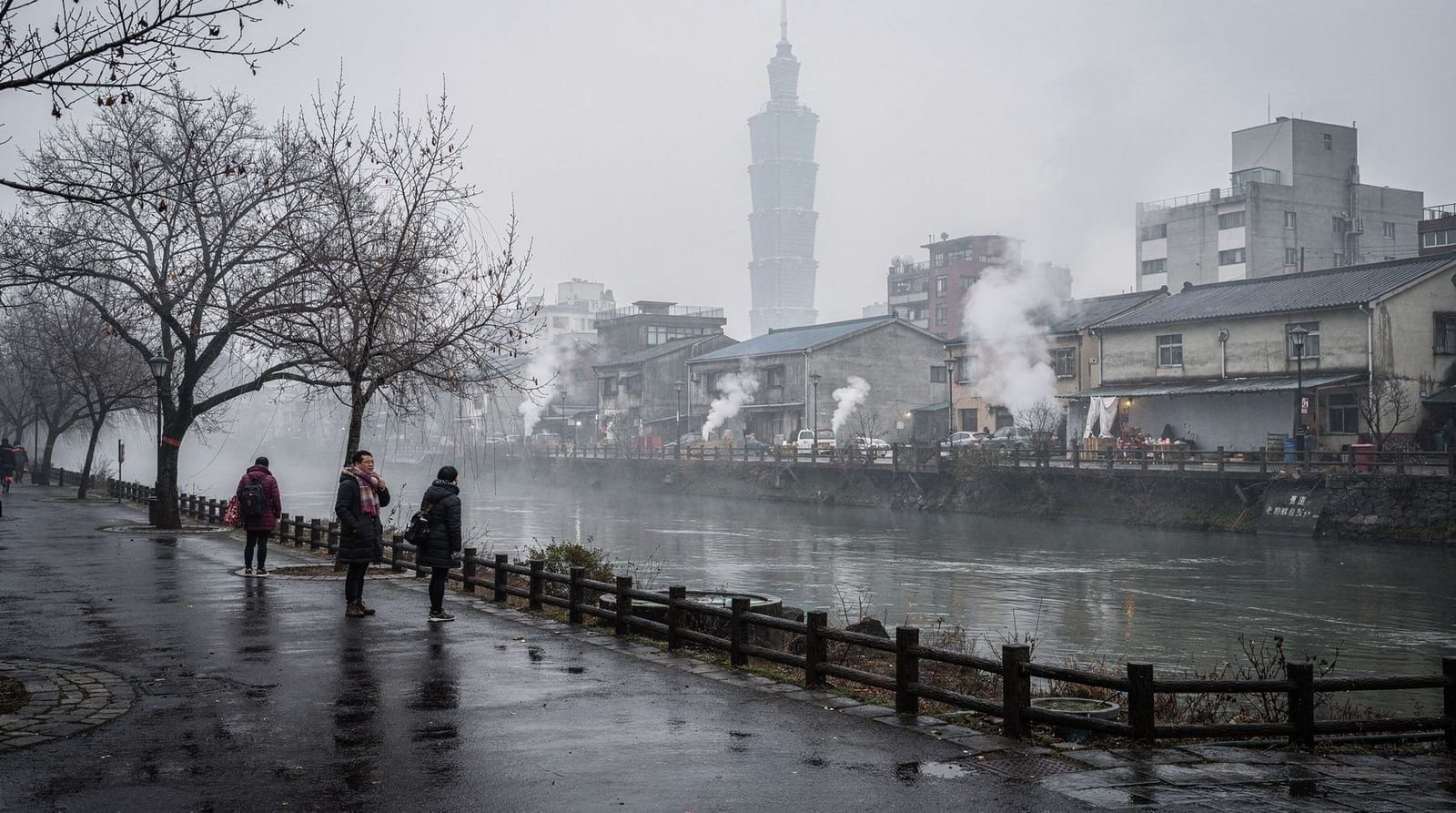
January is cool and damp. Temperatures fluctuate, with occasional cold fronts pushing the low to 10°C or below for a few days. It’s not unpleasant to sightsee, but pack layers and a waterproof. Lunar New Year falls in late January or early February depending on the calendar — in the days before and after the New Year, expect full domestic tourism conditions.
Best for: budget travelers (prices spike at New Year, but early January is calm), museum-focused itineraries.
February
Temperature: 13–18°C | Rain: moderate | Crowds: Lunar New Year spike, then eases
The first half of February can be chaotic if Lunar New Year falls here. Many family-run restaurants, night-market stalls, and smaller attractions close for 3–5 days. Taipei 101 and department stores stay open. By mid-February, crowds thin and the weather improves slightly.
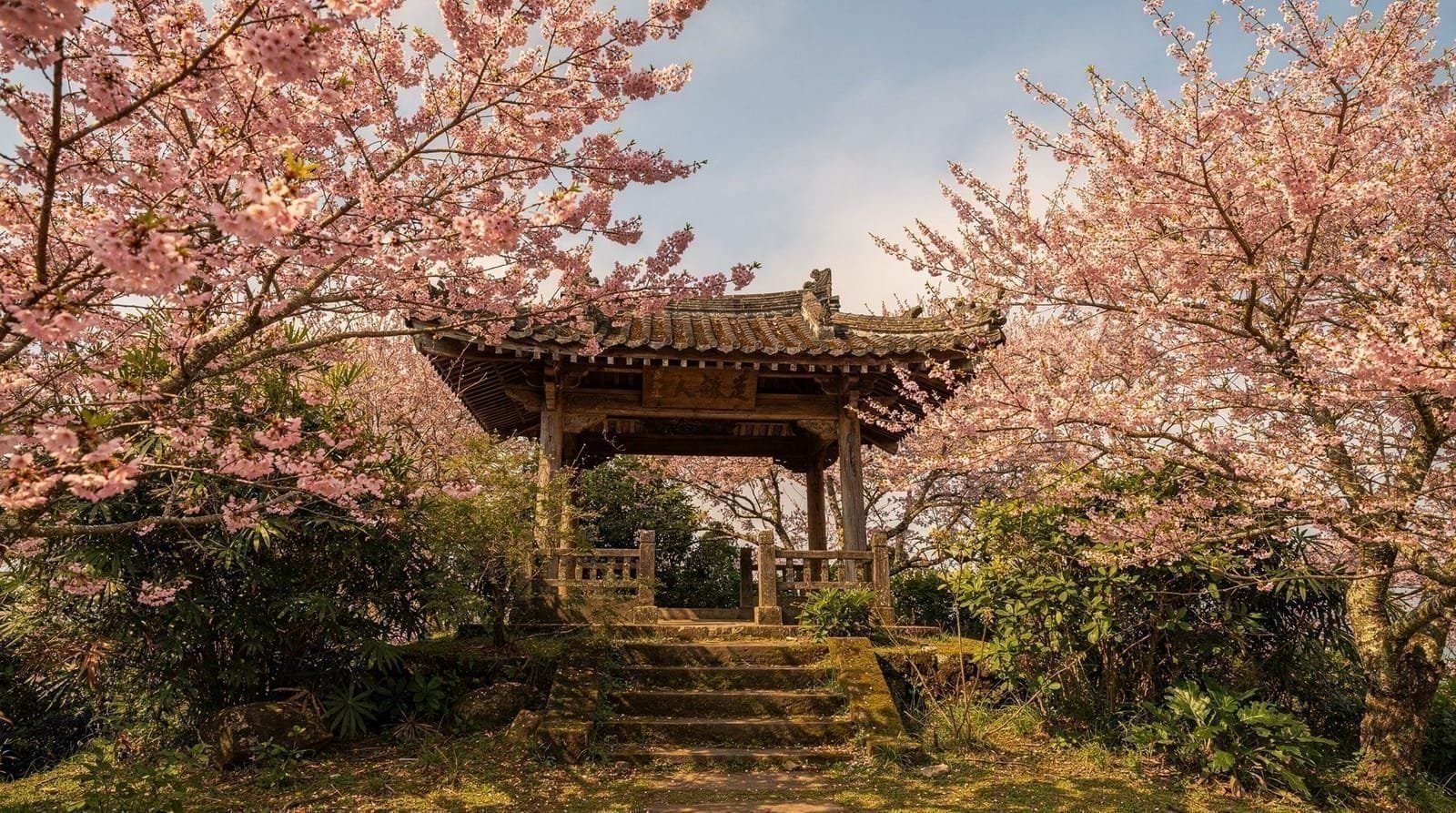
Cherry blossoms on Yangmingshan can begin appearing from mid-February in warm years — though the main display usually peaks in early-to-mid March. The Taipei Lantern Festival typically falls on the 15th day of the Lunar New Year; the Pingxi Sky Lantern event (the one covered on TV worldwide) is usually scheduled the same weekend.
Best for: sky-lantern festival, early cherry blossoms, first-timers who’ve confirmed Lunar New Year dates.
March
Temperature: 16–21°C | Rain: moderate | Crowds: moderate
March is one of the most popular months to visit, and for good reason. Cherry blossoms hit their peak on Yangmingshan typically in late February to mid-March. The Chushan Trail and Zhuzihu area see enormous crowds on peak blossom weekends — arrive before 8 am or join a guided tour that manages transport logistics.
Yangmingshan and Beitou day tour from TaipeiDaytime temperatures are comfortable; evenings can still be cool. This is one of the best months for outdoor sightseeing at Jiufen, the north coast, and Houtong cat village.
Best for: cherry blossoms, hiking, day trips.
April
Temperature: 20–26°C | Rain: increasing | Crowds: moderate
Warmth arrives in April. The tail end of calla lily season (Yangmingshan’s Zhuzihu area) typically runs through early-to-mid April. Humidity builds and afternoon rain showers become more frequent, but mornings are generally clear.
April is a solid, underrated month — prices haven’t spiked yet and accommodation is easier to book than March.
Best for: calla lilies, outdoor markets, day trips to Tamsui and the north coast.
May
Temperature: 24–30°C | Rain: high (plum rains begin) | Crowds: moderate
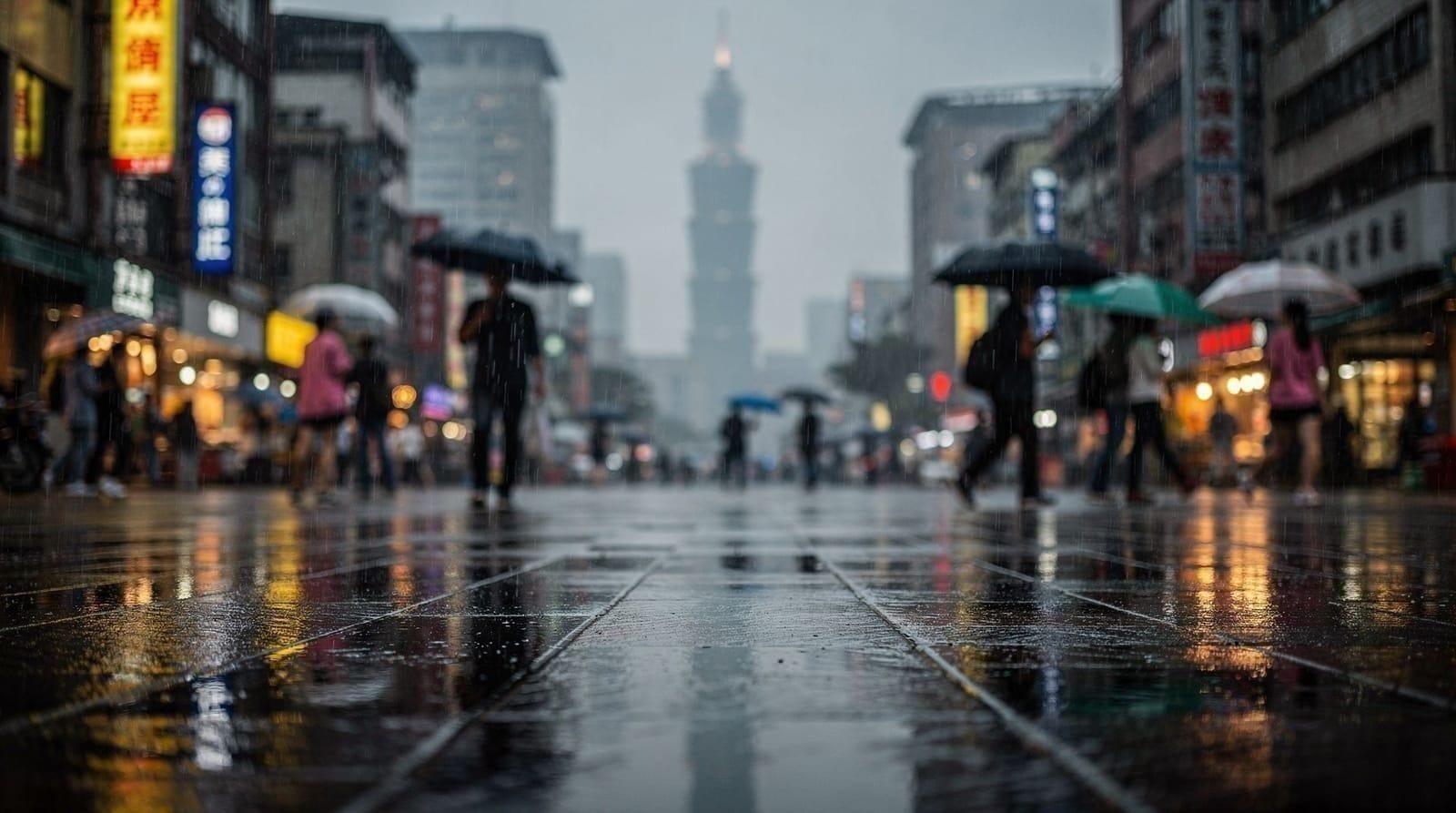
Plum rain season (梅雨季, meiyǔjì) officially begins in May and runs through June. Rain is persistent and drizzly rather than dramatic — grey skies for several days at a stretch. Umbrella and light rain jacket are essential.
Despite the rain, May is manageable. Indoor attractions — National Palace Museum, Longshan Temple, shopping in Ximending — don’t require good weather.
Best for: indoor culture, budget travelers (prices are lower than peak months).
June
Temperature: 27–33°C | Rain: high (plum rains peak) | Crowds: lower
June is the wettest and most uncomfortable month for outdoor sightseeing. Humidity is oppressive; temperatures reach 33°C with heat index often feeling higher. Typhoon season begins officially on June 1 (though serious typhoons in June are uncommon).
The upside: lower prices and easier hotel availability make June the month for travelers on tight budgets who are willing to spend time in air-conditioned spaces.
Best for: budget trips focused on food, museums, and nightlife.
July
Temperature: 29–36°C | Rain: sporadic but intense | Crowds: moderate (domestic tourism picks up)
Peak typhoon risk begins in July. Typhoons can strike with 24–48 hours’ notice, causing transport cancellations and closures of outdoor attractions. The government issues alerts and typically declares a typhoon holiday (work and school closures) when a storm is within range.
Heat is significant — Taipei regularly hits 35–36°C in July, and the urban heat island effect makes it feel hotter. Night markets are lively, and air-conditioned malls and museums stay busy.
Best for: night markets and food scene, visitors who accept the weather risk.
August
Temperature: 28–35°C | Rain: sporadic, typhoons | Crowds: moderate
Similar to July. August sees more typhoon activity on average than July. The international festival circuit (design events, music) fills some weekends. Discounted airfares are available from some markets — partly because August is not a preferred travel month for Europeans.
Best for: budget-minded travelers from markets with cheap August flights; nightlife and indoor culture.
September
Temperature: 26–32°C | Rain: typhoon season ends mid-to-late month | Crowds: lower
The typhoon risk starts declining in September, especially in the second half of the month. Temperatures are still high but slightly more bearable than July–August. By late September, weather windows open up for outdoor activities.
This is a transitional month — genuinely good value if your timing falls in the last two weeks, less reliable in the first two.
Best for: late-September travelers who monitor the forecast; lower prices than October.
October
Temperature: 22–28°C | Rain: low | Crowds: moderate to high
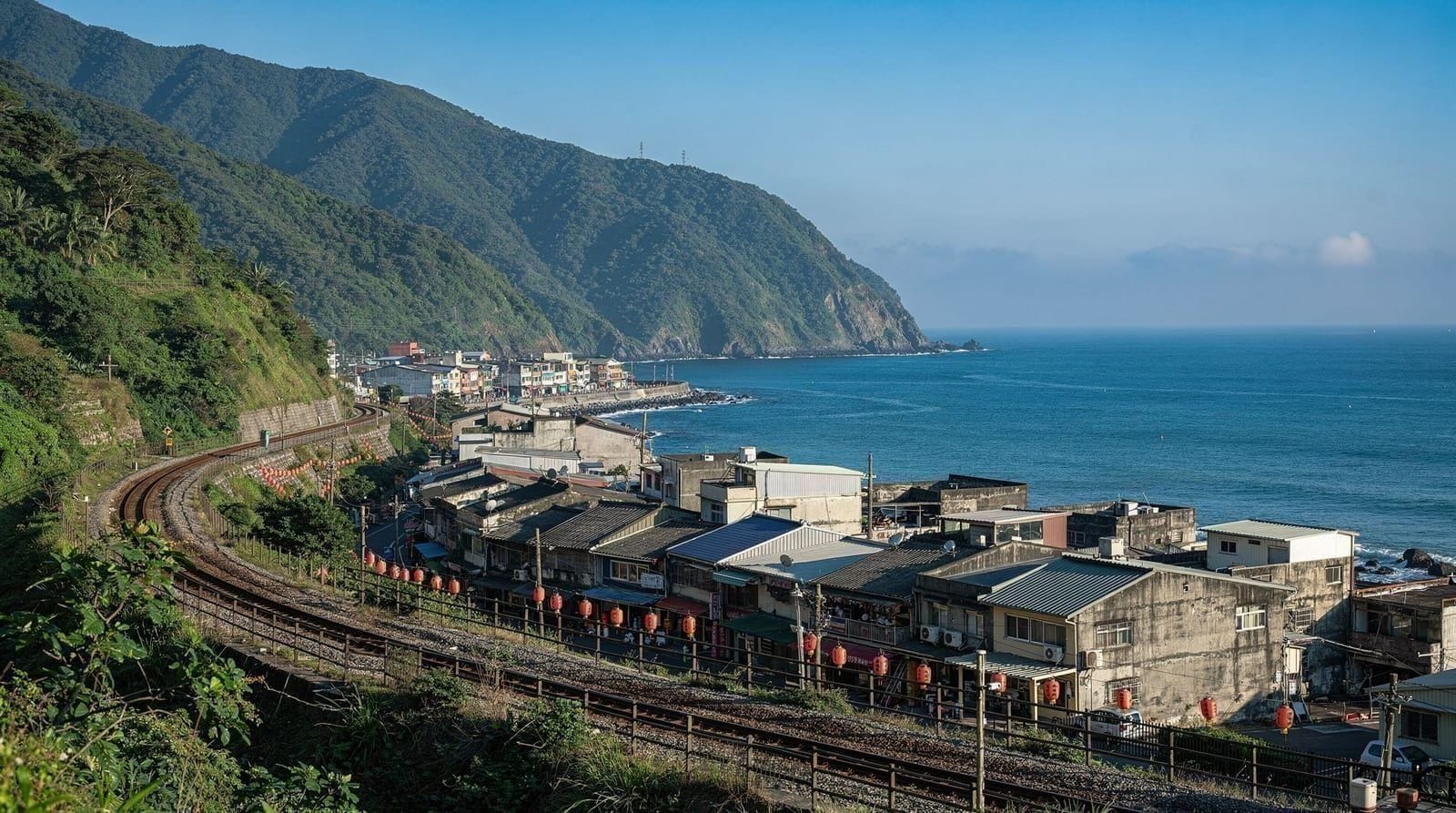
October is one of the two optimal months. Weather is reliably good — warm but not hot, low humidity, clear skies most days. Ideal for day trips (Jiufen and Shifen are spectacular in autumn light), hiking, and photography.
Jiufen, Shifen and Yehliu full-day guided tourPrices for flights and accommodation are at their seasonal high. Book 2–3 months ahead for good October hotels.
Best for: almost everything — day trips, hiking, temples, photography.
November
Temperature: 18–24°C | Rain: low | Crowds: moderate
November shares October’s appeal with slightly cooler temperatures and often better hotel availability for the latter half of the month. Foliage in Yangmingshan adds colour. Cool evenings make temple visits and outdoor night markets especially pleasant.
Best for: couples, first-timers, photography, hiking.
December
Temperature: 14–20°C | Rain: moderate | Crowds: lower (Christmas picks up year-end)
December starts calm and pleasant, making it underrated for visits in the first half of the month. Rain picks up as the month progresses. Year-end holidays bring domestic crowds back; Taipei 101’s New Year’s Eve fireworks are a major draw (book nearby hotels a year in advance if this is your goal).
Best for: early December value trips; New Year’s Eve for the 101 fireworks (plan a year ahead).
Seasonal events and festival calendar
| Event | Typical timing | Location |
|---|---|---|
| Taipei Lantern Festival / Pingxi Sky Lanterns | 15th day of Lunar New Year (Feb or early Mar) | Pingxi / Shifen |
| Yangmingshan Flower Festival (cherry blossom + calla lily) | Late Feb – mid April | Yangmingshan |
| Dragon Boat Festival | 5th day of 5th lunar month (June) | Dajia Riverside Park |
| Ghost Month (tourism dip) | 7th lunar month (Aug–Sep) | Citywide |
| Mid-Autumn Festival (mooncakes) | 15th day of 8th lunar month (Sep–Oct) | Citywide |
| Taipei Golden Horse Film Festival | November | Citywide |
Typhoon season explained
Typhoon season runs June through September, peaking in July–August. Taiwan sits in one of the world’s most active typhoon corridors. Key facts for travelers:
- The Central Weather Bureau issues typhoon watches when a storm is within the forecast path. A land warning means the storm will likely make landfall; the government may declare a typhoon holiday (颱風假) with closures of schools, government offices and many businesses.
- Day-trip tours (Jiufen, Yehliu, Yangmingshan) are typically cancelled when a land warning is issued. Check with your tour operator 24–48 hours ahead.
- Typhoon holidays are announced the evening before, so last-minute plan changes are normal.
- Airports stay open but flights may be cancelled or delayed. Travel insurance covering typhoon disruption is strongly recommended if you travel July–September.
For detailed guidance, see our typhoon season guide.
Cherry blossom and Yangmingshan flower season
Yangmingshan’s cherry blossom season is Taipei’s biggest annual spectacle. Peak bloom typically falls late February to mid-March, but precise dates vary by 2–3 weeks depending on winter temperatures.
Yangmingshan National Park half-day tour from TaipeiPractical notes:
- Weekend crowds on Yangmingshan during peak bloom are extreme — thousands of visitors, traffic jams on the mountain roads. Go on a weekday or join an early-morning guided tour.
- The MRT to Xinbeitou plus Bus 130 is the standard route to the park. Expect longer-than-usual wait times on peak weekends.
- Calla lily season at Zhuzihu overlaps slightly with the end of cherry blossom season, typically peaking in late March to mid-April.
For full details, see our Taipei cherry blossom guide.
Plum rain season (May–June)
The plum rains (梅雨) are not heavy like typhoons — they’re persistent, drizzly, and grey. Think of several overcast days in a row with light-to-moderate rain rather than dramatic downpours.
For travelers who accept the weather:
- Indoor attractions (museums, temples, markets, night markets under awnings) are unaffected.
- Outdoor day trips are less enjoyable but not impossible — bring a packable rain jacket rather than a large umbrella.
- Hotel prices dip noticeably in May–June, offering savings of 15–25% compared to October.
Budget implications by season
| Season | Avg hotel (mid-range double) | Relative airfare |
|---|---|---|
| Jan (early) | TWD 2,500–4,000 (~€70–110) | Moderate |
| Feb–Mar (cherry blossom) | TWD 3,500–6,000 (~€95–165) | Higher |
| May–Jun (plum rain) | TWD 2,000–3,500 (~€55–95) | Lower |
| Jul–Aug (heat/typhoon) | TWD 2,000–3,500 (~€55–95) | Moderate |
| Oct–Nov (peak season) | TWD 4,000–7,000 (~€110–190) | Highest |
| Dec (early) | TWD 2,500–4,500 (~€70–125) | Moderate |
For a deeper breakdown, see our Taipei travel budget guide.
Matching your itinerary to the season
Timing shapes what kind of trip makes sense. October–November suits travellers who want to maximise day trips — Jiufen, Shifen and Yehliu are all at their best in clear autumn light, and the best day trips from Taipei guide assumes reasonably good weather for most of its recommendations.
Spring (Feb–Apr) suits visitors prioritising the Yangmingshan cherry blossoms and calla lily fields specifically — build the trip around bloom dates rather than the other way round. Summer visitors (Jun–Aug) should lean into what the season is actually good for: night markets, indoor museums, and air-conditioned malls, while treating any outdoor day trip as weather-dependent. Winter (Dec–Feb) rewards travellers focused on food and indoor culture, with the bonus of lower accommodation prices outside the Lunar New Year window.
First-timers vs repeat visitors
If this is your first trip to Taipei, October–November or March give the most forgiving conditions for a packed first-timer itinerary that mixes city sightseeing with day trips — see the Taipei first-timer guide for how to sequence it. Repeat visitors who have already covered the highlights have more freedom to visit in shoulder or off-peak months (May–June, August) when flights and hotels are cheaper and the city itself is quieter, accepting the trade-off of less reliable weather for day trips.
Frequently asked questions about Best time to visit Taipei — month by month
What months should I avoid in Taipei?
Does it rain a lot in Taipei?
When are cherry blossoms in Taipei?
Is Taipei crowded at Chinese New Year?
What is Taipei like in winter?
When is the Pingxi Sky Lantern Festival?
Is Taipei good for a summer trip despite the heat?
What is the weather like in Taipei in April?
Top experiences
Bookable activities with verified prices and instant confirmation on GetYourGuide.