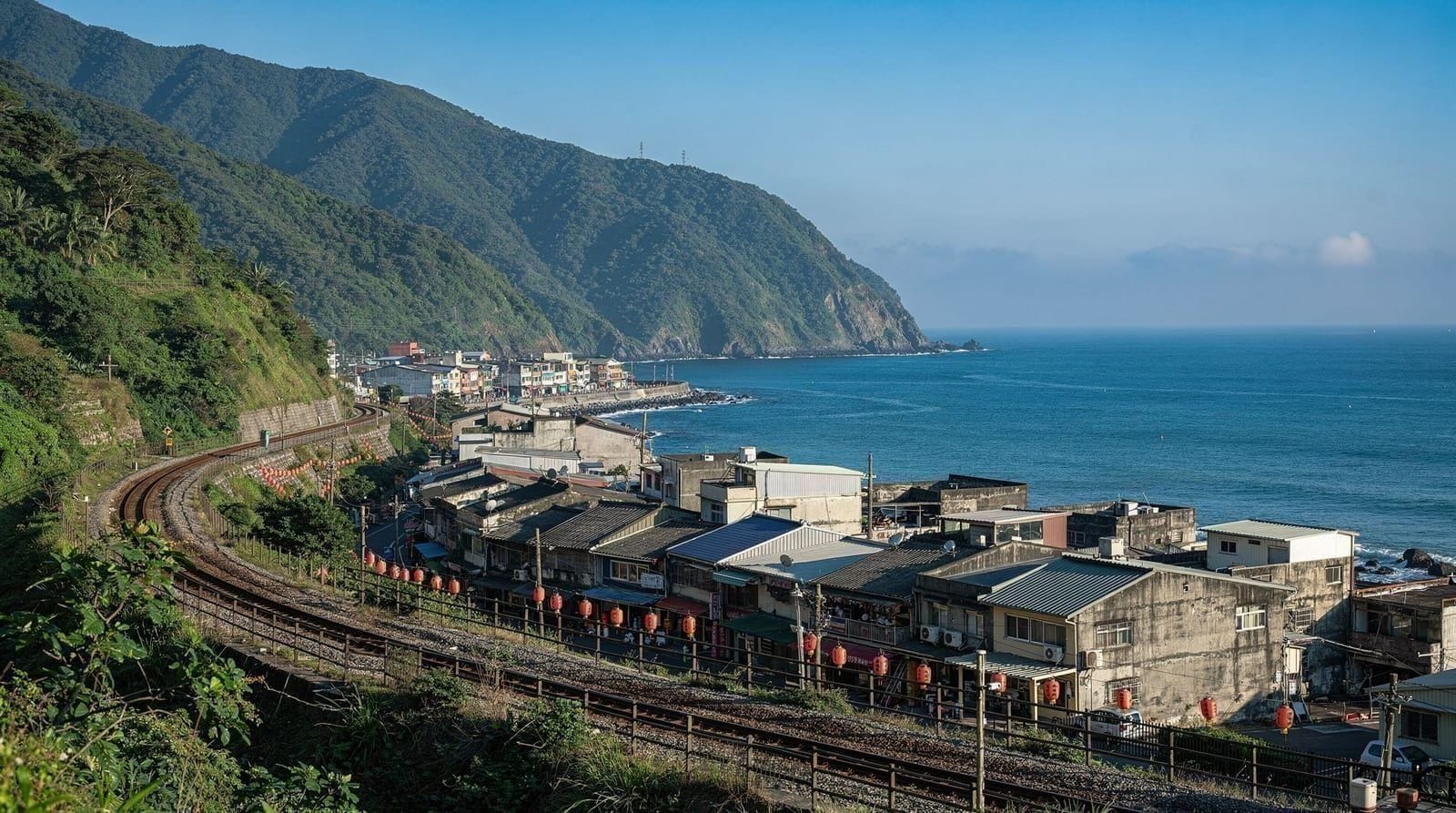
Jiufen teahouses vs Maokong — which is right for your Taipei tea experience
Taipei: Pinglin tea culture and Maokong guided day tour
Duration: 9 hours
Should I visit Jiufen or Maokong for a Taipei tea experience?
Jiufen for atmosphere and photography; Maokong for genuine tea culture and views. Jiufen's teahouses are famous and beautiful but oriented toward the tourist experience and photo opportunity. Maokong's teahouses are more authentically embedded in the tea-growing landscape and more focused on the tea itself. If you have time for one, choose based on whether you're visiting Jiufen for other reasons — if so, add a teahouse there. If tea is the primary goal, Maokong wins.
Two very different tea experiences
Taiwan has a rich and serious tea culture, and Taipei provides two primary places to experience it in dramatically different settings:
- Jiufen’s teahouses are embedded in a picturesque hillside town with lantern-lit alleys and Pacific views. The visual context is the dominant appeal. The tea is secondary.
- Maokong’s teahouses sit in an actual tea-growing village in the southern hills of Taipei. The views are city and mountain rather than sea. The tea and the ritual of drinking it are the primary focus.
Neither is better than the other in absolute terms — they’re answering different questions.
| Jiufen | Atmosphere-first, tourist-facing, TWD 200–400/person |
| Maokong | Tea-first, serious gongfu cha, TWD 200–500/person |
| Time needed | 2–3 hours at either |
| Getting there | Jiufen: train + bus (~75 min). Maokong: MRT + gondola (~45 min) |
| Best time | Late afternoon into dusk, both locations |
For the wider context on Jiufen beyond its teahouses, see the Jiufen day trip guide and how it compares to the other Pingxi-area stop in Jiufen vs Shifen. For Maokong’s gondola logistics specifically, see the Maokong Gondola guide.
Jiufen teahouses: what you’re actually getting
Jiufen has been a tea destination since the gold-rush era, when the hillside town needed places for miners and merchants to gather. The traditional teahouse format — covered outdoor terrace, small table, multiple-infusion service — survived and was eventually photographed into global fame.
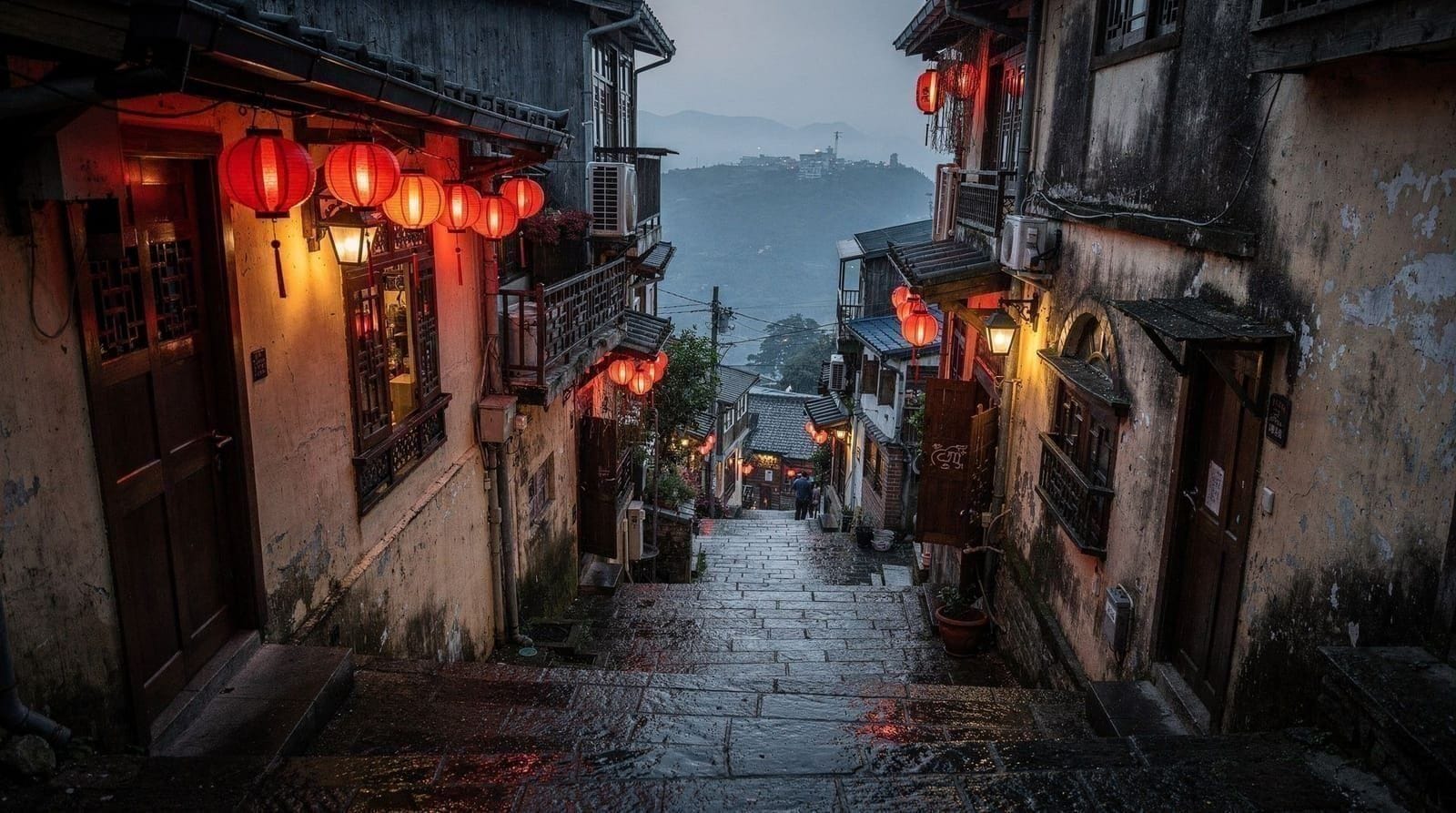
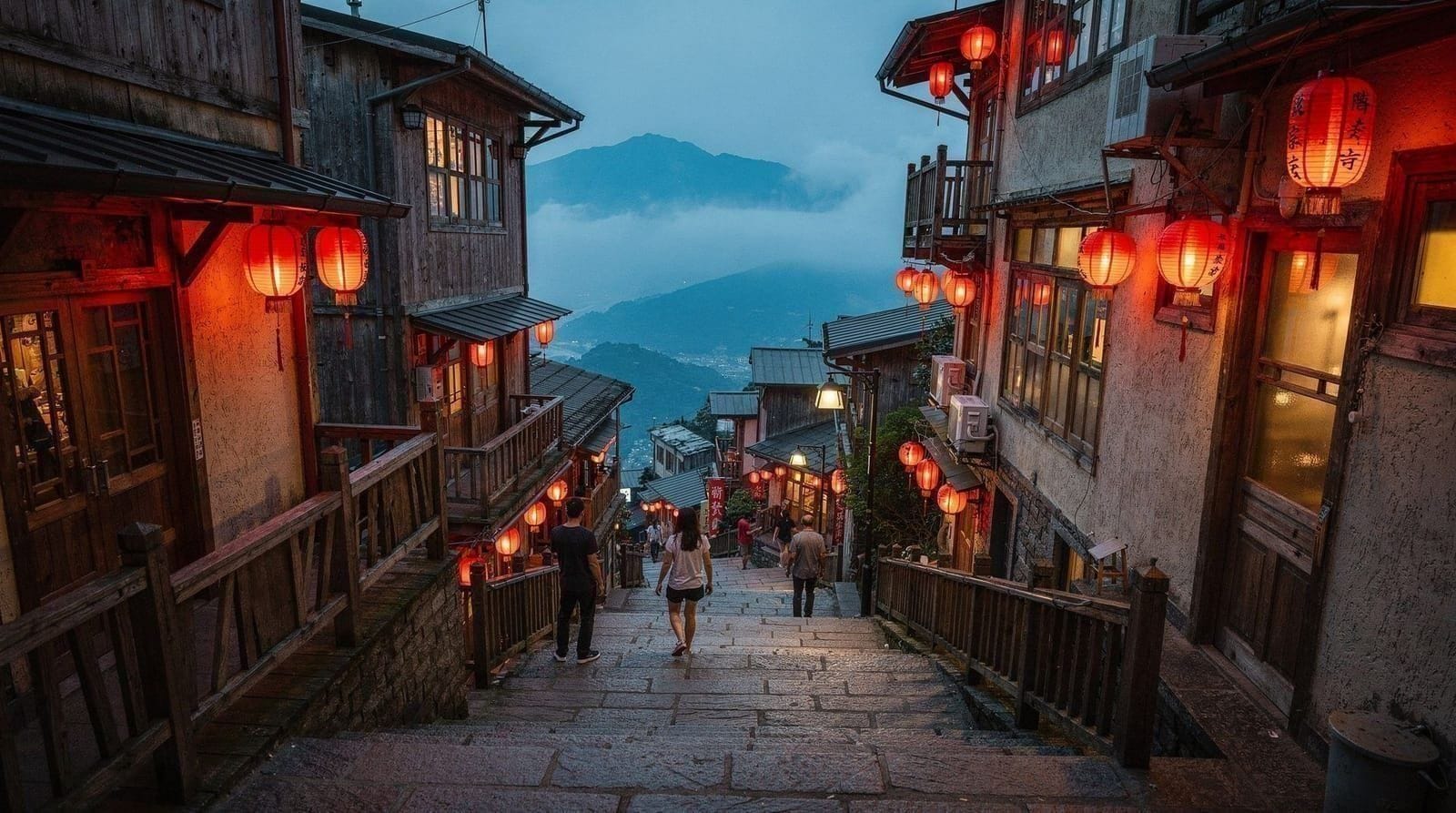
A-Mei Teahouse (阿妹茶樓) is the most famous. Its exterior — a multi-storey wooden building with red lanterns on a stone staircase descending to the alleys below — is one of the most photographed facades in Taiwan. The interior is traditionally decorated. Tea sessions cost TWD 200–400 per person, covering a pot with multiple infusions and light snacks.
The honest assessment: A-Mei Teahouse is tourist-facing. The tea is decent, not exceptional. The view from the terrace (when you can get a terrace seat) is genuinely beautiful. The queue for that terrace seat on a weekend afternoon can run 30–60 minutes. Arriving on a weekday before 1 pm or at dusk significantly improves the experience.
Shu Qi Teahouse (叔琦茶房) and a handful of smaller, unnamed teahouses further along the same alley system are less known and less photographed — quieter, occasionally with better tea selection, and without the queue.
The Jiufen teahouse experience is best for:
- Visitors combining it with the rest of Jiufen’s sightseeing
- Photographers who want the lantern-lit teahouse exterior as a subject
- Those who want an atmospheric setting more than a serious tea education
The Jiufen teahouse experience is not ideal for:
- Serious tea enthusiasts (the selection prioritises accessibility over quality)
- Visitors making a dedicated tea-culture day out (too much time on logistics for too little tea depth)
- Anyone who dislikes crowds (weekends are very crowded) Jiufen and Shifen guided day tour from Taipei
Maokong teahouses: what you’re actually getting
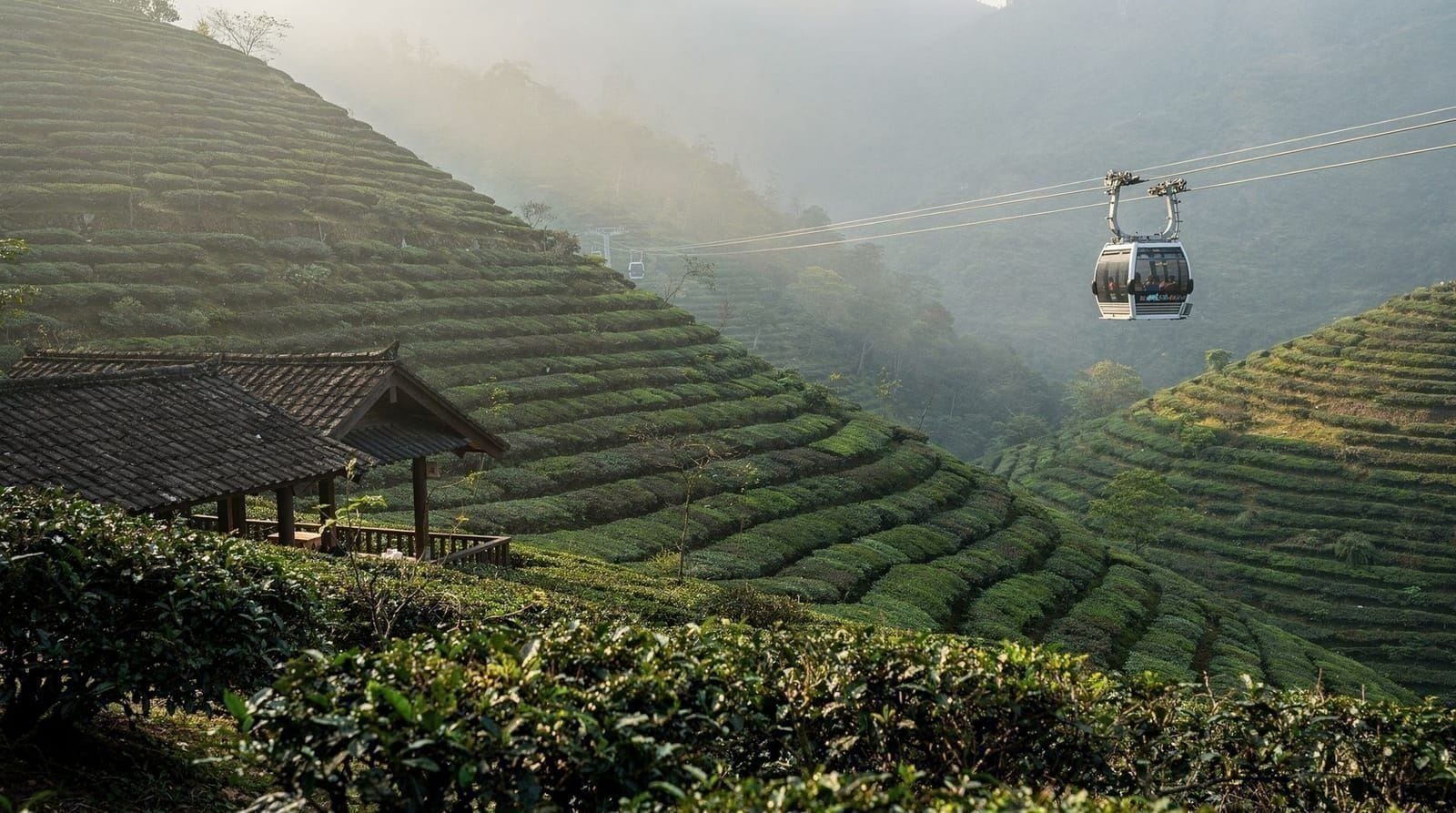
Maokong (貓空) is a hillside tea village at the southern edge of Taipei city, accessible via the Maokong Gondola from Taipei Zoo Station. The main crop here is Tieguanyin oolong — a variety historically associated with Anxi in China, adapted to Maokong’s conditions over generations.
Maokong has dozens of teahouses, ranging from large outdoor platforms with Taipei city views to smaller pavilions hidden along the hiking trails. The better establishments take their tea seriously — they source from recognised farms, present the tea in proper gongfu cha service, and can discuss what you’re drinking.
What characterises a good Maokong teahouse session:
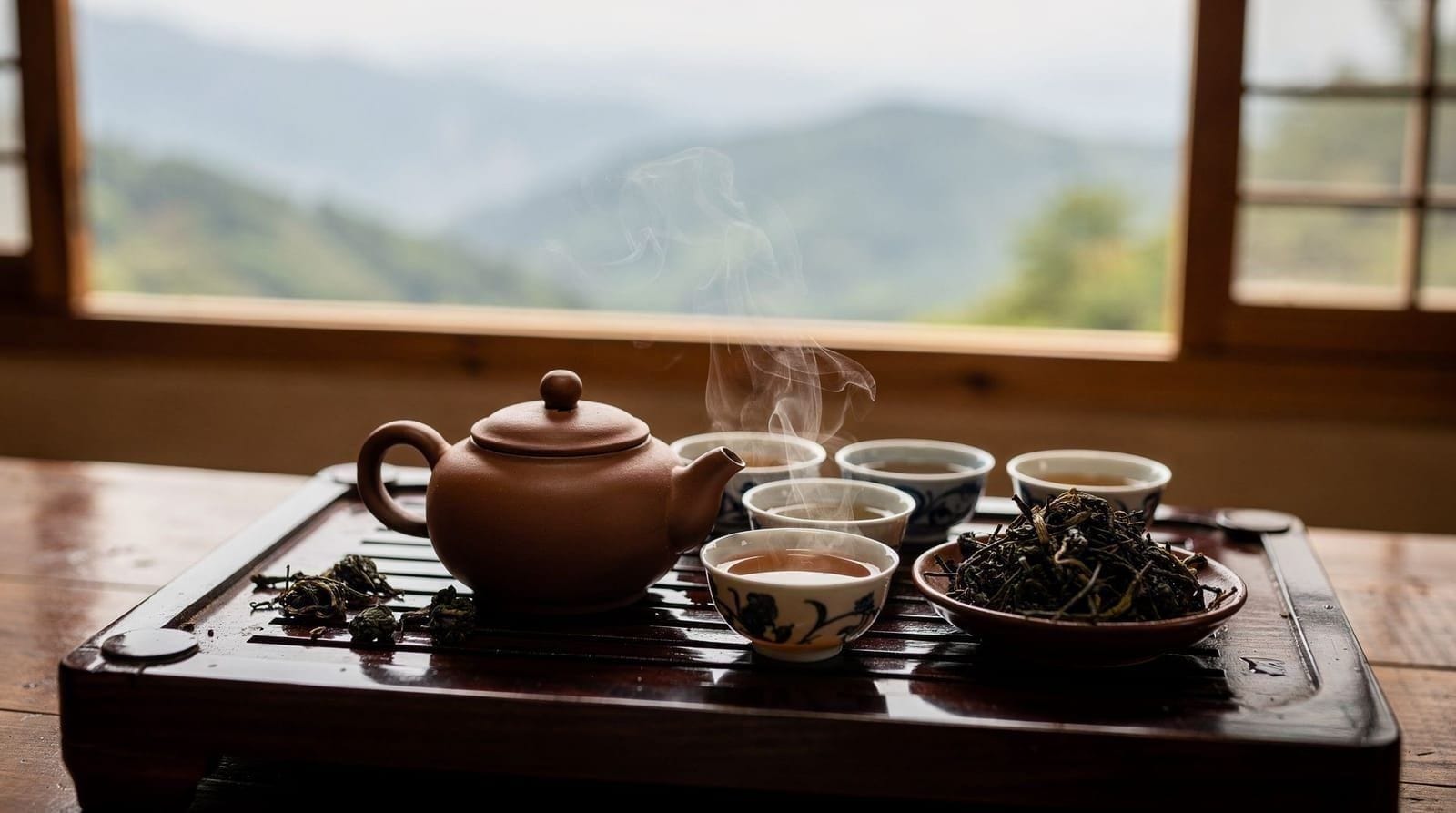
- Gongfu cha service (yixing teapot, small cups, multiple short infusions) rather than a tourist-style “pot plus hot water” approach
- Tea selection with at least 5–8 varieties, described by origin
- Staff who can help navigate the menu for your preferences
- Food accompaniments (tea-marinated eggs, tofu, local vegetables) that are part of the visit rather than an afterthought
- Outdoor seating with views over the Taipei basin
The ambience trade-off: Maokong’s views are city-and-forest rather than the Pacific coast. After dark, the illuminated Taipei skyline visible from the higher teahouses is stunning. In the daytime, the mountain greenery is more appealing than Jiufen’s alleys for some visitors — a matter of preference.
The Maokong experience is best for:
- Tea enthusiasts who want to understand what they’re drinking
- Evening visits (gondola runs until 9 pm; late-night teahouses create a different atmosphere from Jiufen)
- Visitors who want to combine tea with hiking (several trail loops link the teahouses)
- Families with children (the gondola ride itself is an attraction) Maokong tea and Shenkeng tofu private tour
Comparison table
| Factor | Jiufen teahouses | Maokong teahouses |
|---|---|---|
| Getting there | Train to Ruifang, then bus (~1 hr 15 min) | MRT + gondola (~45 min from central Taipei) |
| Atmosphere | Historic hillside alley, lanterns, sea views | Tea-growing hillside, city panorama |
| Tea quality | Decent but tourist-oriented | Range from decent to serious |
| Tea focus | Secondary to visual experience | Primary focus |
| Crowds | Very high on weekends | Moderate on weekends |
| Cost per person | TWD 200–400 | TWD 200–500 |
| Best time | Late afternoon/evening | Late afternoon/evening and night |
| Good for kids | Challenging (steep stairs) | Yes (gondola + teahouse) |
| Combine with | Shifen sky lanterns, Yehliu | Taipei Zoo, Shenkeng tofu |
Reading the table: what the differences mean in practice
The table above compresses a lot, so it helps to translate it into how an afternoon actually feels. At Jiufen you spend much of your energy on the setting: climbing stairs, finding a seat with a view, watching the light change over the alleys. The tea arrives as part of that scene, and you remember the place more than the cup. At Maokong the energy goes the other way. You settle in, the host pours, and the conversation drifts toward what you are tasting. The setting supports the tea rather than competing with it.
Neither approach is wrong. Plenty of travellers want exactly the Jiufen version: a pot, a view, a few photographs, and a story to tell afterwards. Others have already seen the lantern-lit alleys in a hundred images and would rather learn something. Ask yourself which of those two people you are on this particular trip, and the choice usually makes itself.
Who gets the most from each
First-time visitors with only a short stay tend to be happiest at Jiufen, because it ties neatly into the rest of the north-coast sightseeing. If you are still planning the wider trip, the Taipei itinerary guide and the north coast day trip itinerary show where a teahouse stop fits naturally. Return visitors, and anyone who already drinks oolong at home, usually prefer Maokong, where the hillside setting rewards a slower pace and a second or third pot.
Weather and season
Both places change character with the weather, so it is worth checking conditions before you commit. Jiufen in mist can be wonderfully moody, but heavy rain makes the stairs slippery and hides the views that justify the visit. Maokong in clear weather gives the best city panorama, while low cloud softens everything into a quiet hillside retreat. If you are travelling in a wet or stormy period, read the typhoon season guide first, and consider the cooler months covered in Taipei in winter, when a warm teahouse is at its most appealing.
Making the most of a long sit
Whichever you pick, treat the visit as the main event of the afternoon rather than a quick stop. Bring patience, order a pot you can share, and let the first infusions teach you what the tea is doing before you ask for anything else. Ask the staff what they would pour next; a good host enjoys that question, and it is the quickest route to a better cup. If a teahouse feels rushed or the seating is cramped, move on to the next one rather than forcing it. At both locations there are usually alternatives within a short walk.
The Pinglin alternative
If neither Jiufen nor Maokong satisfies your tea curiosity, Pinglin (坪林) is the serious enthusiast’s option — a working tea town 45 minutes from Taipei by bus that combines the Tea Museum, farm shops with direct pricing, and a quiet river valley atmosphere. It’s less visually dramatic than either Jiufen or Maokong, but more educationally grounded and less tourist-saturated.
Pinglin tea culture and Maokong guided day tourFor a full explanation of Pinglin and Taiwan’s tea varieties, see our Taipei tea culture guide.
Can you do both in one day?
Jiufen and Maokong are on opposite sides of the Taipei metro area — Jiufen to the northeast, Maokong to the south. Doing both in one day requires either:
- A very early start at Maokong (gondola opens at 9 am) + afternoon/evening at Jiufen
- A morning at Jiufen + evening Maokong gondola visit
Both are technically feasible but make for a rushed day. If tea is the primary focus, spend a full afternoon-evening at Maokong. If Jiufen is the primary focus and tea is one component, add an A-Mei Teahouse stop there and save Maokong for a separate outing.
Practical notes for both
Jiufen teahouses: booking and arrival
A-Mei Teahouse takes walk-ins only; no reservations. Weekend afternoon queues are real. Smaller teahouses in the same area rarely have queues. Arrive at opening (around 10 am) for a relaxed experience; arrive at 4–5 pm for the dusk lantern atmosphere.
Maokong teahouses: gondola schedule
Check the gondola schedule before going — it’s closed Mondays for maintenance. Operating hours are approximately 9 am to 9 pm on weekdays, with later closing (22:00) on public holidays. The last gondola back is at 9 pm on weekdays; being at the gondola station with time to spare is important.
If you miss the last gondola, taxis from Maokong to the MRT cost approximately TWD 200–250.
Tea etiquette at both
- Minimum order is standard at both locations (a pot of tea is usually required to take a seat).
- No time limits are enforced at most teahouses; sessions of 2–3 hours are perfectly acceptable.
- Taking photos of the exterior is universally acceptable. Photographing other guests extensively without consent is not.
- The correct response to good tea at the end of a session is to order a take-home package — most teahouses sell the tea they serve. This is how they make the economics work for a long sit.
For the full context of Taiwan’s tea culture and gongfu cha ritual, see our taipei tea culture guide.
Pairing tea with the rest of your day
Because the two locations sit on opposite sides of the city, the best plan is to let one of them anchor the day and build around it. A Jiufen afternoon pairs well with the town’s other sights; the Jiufen day trip guide and the Taipei to Jiufen transport guide cover the logistics, and the blog post on Jiufen at night shows what the town feels like once the day visitors leave. A Maokong afternoon pairs with the zoo and the gondola ride itself, and the Maokong destination page lists what else is nearby.
If you want more context before choosing, the Taipei coffee and tea scene post gives a lighter look at how locals actually drink tea in the city, away from the tourist circuit. And if you are deciding between a guided trip and going alone, the tour vs DIY day trips guide weighs the trade-offs honestly.
Quick decision guide
If you’re still unsure, answer these in order:
- Is tea the main reason for the trip, or a bonus alongside sightseeing? Main reason → Maokong. Bonus → Jiufen.
- Do you want a photo-worthy setting or a genuine tea education? Photo → Jiufen. Education → Maokong.
- Are you traveling with young kids? The gondola ride itself is entertainment at Maokong; Jiufen’s steep stairs are harder going with a stroller or tired toddler.
- Is your trip already including Jiufen for other reasons (Shifen, Yehliu)? If so, just add a teahouse stop there rather than making a separate Maokong trip — see best day trips from Taipei for how the north-coast sites link together.
Top experiences
Bookable activities with verified prices and instant confirmation on GetYourGuide.