Taipei's coffee and tea scene — where the serious stuff happens
Two parallel drink cultures in the same city
Taipei runs on two completely different beverage cultures, and they coexist with almost no overlap.
| Where | Yongkang Street, Dihua Street, Maokong, Daan, Zhongshan |
| Cost | around NT$60–260 per drink depending on venue |
| Time needed | 1–2 hours per café or teahouse visit |
| Best for tea | Yongkang Street (Daan) or Maokong |
| Best for coffee | Daan and Zhongshan specialty roasters |
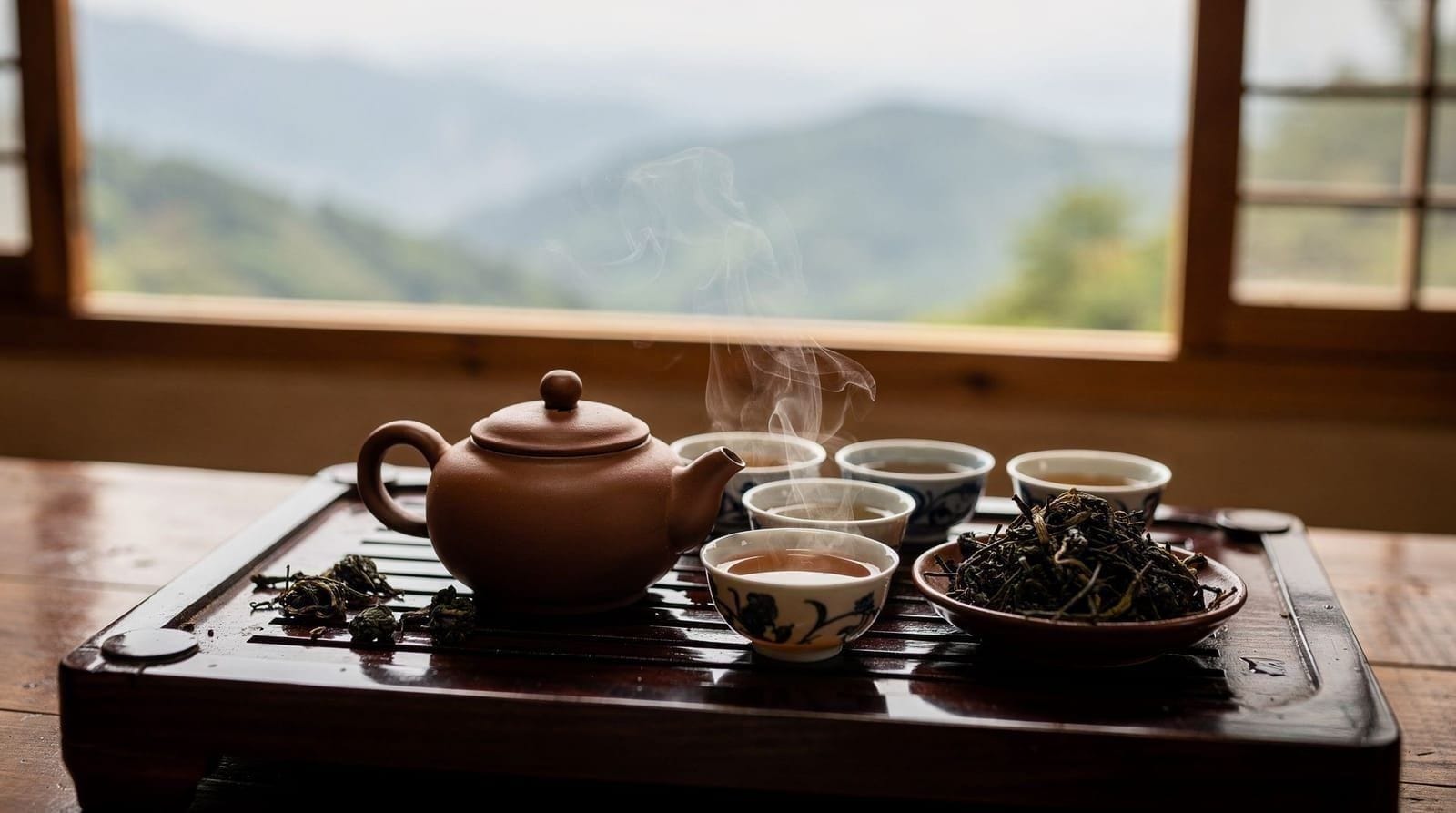
One is the Taiwanese tea tradition: high-mountain oolongs from Alishan and Li Shan, dong ding (凍頂) from Nantou County, oriental beauty (東方美人) from Hsinchu — made with care, served in small gongfu-style cups, and taken seriously by enthusiasts who discuss processing methods the way wine people talk about vintages. This tradition is deeply rooted in Taiwan’s agricultural and cultural history.
The other is a contemporary café culture that developed rapidly from the 2010s onward: small-batch specialty coffee roasters, Japanese-influenced café aesthetics, well-extracted espresso and meticulously brewed pour-overs. This is a young urban phenomenon — driven by the same demographic that created Taipei’s independent design and fashion scenes.
Both are worth your time. Neither requires significant expertise to enjoy. If you are still shaping the wider trip, the Taipei first-timer guide and the neighbourhoods guide help you decide which districts deserve a café or teahouse stop.
Taiwanese tea: where to experience it properly
Yongkang Street (永康街), Daan District
This street near Dongmen MRT Station has one of the highest concentrations of traditional tea culture in the city. Several of the shops here sell high-quality loose leaf tea for export, and the better ones also have a small seating area where you can taste before buying.
Wang De Chuan (王德傳茶莊) at Yongkang Street’s northern end is the place to start if you’re new to Taiwanese oolong. The staff speak enough English to guide you through the major styles — from the lighter, more floral high-mountain oolongs to the darker, more oxidised dong ding. Tasting is usually free if you’re considering a purchase. Prices for quality oolong: NT$500–2,500 per 75g tin, depending on grade.
Chun Shui Tang (春水堂) — the Yongkang branch of the chain that claims to have invented bubble milk tea in the 1980s — is a reasonable first introduction to the drink if you haven’t had the good version. The tea here uses actual high-quality black tea, proper tapioca and no artificial flavouring. NT$95–150 for classic milk tea or fruit teas. The chain has been somewhat diluted by its success, but this original area branch is still well-operated.
Dihua Street (迪化街), Dadaocheng
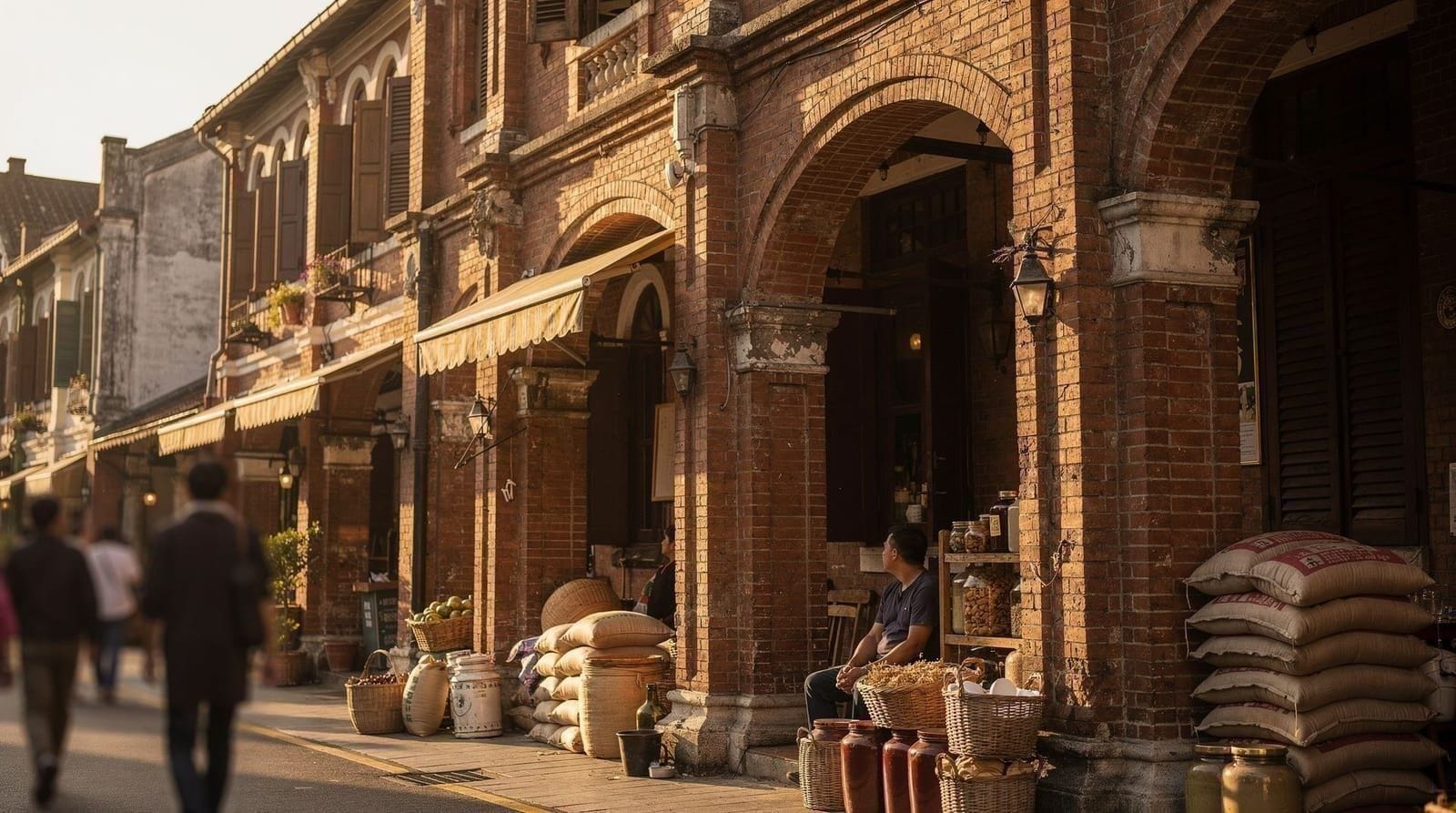
Dadaocheng is where tea wholesalers have operated since the 19th century, when the area was Taiwan’s primary trading hub for tea export to Europe and Southeast Asia. Several of the original wholesale buildings are still operating, selling both bulk and packaged tea. The quality can be higher and the prices lower than tourist-facing shops, but you need to know what you’re looking for — many stalls cater to commercial buyers.
For casual browsing: Xin Fu Tang (幸福堂) on Dihua Street has a small tasting counter and focuses on single-origin Taiwanese teas with clear provenance labelling. Good for gifts. The old building context (1920s shophouse) makes the experience more atmospheric than any modern café.
Maokong (貓空)
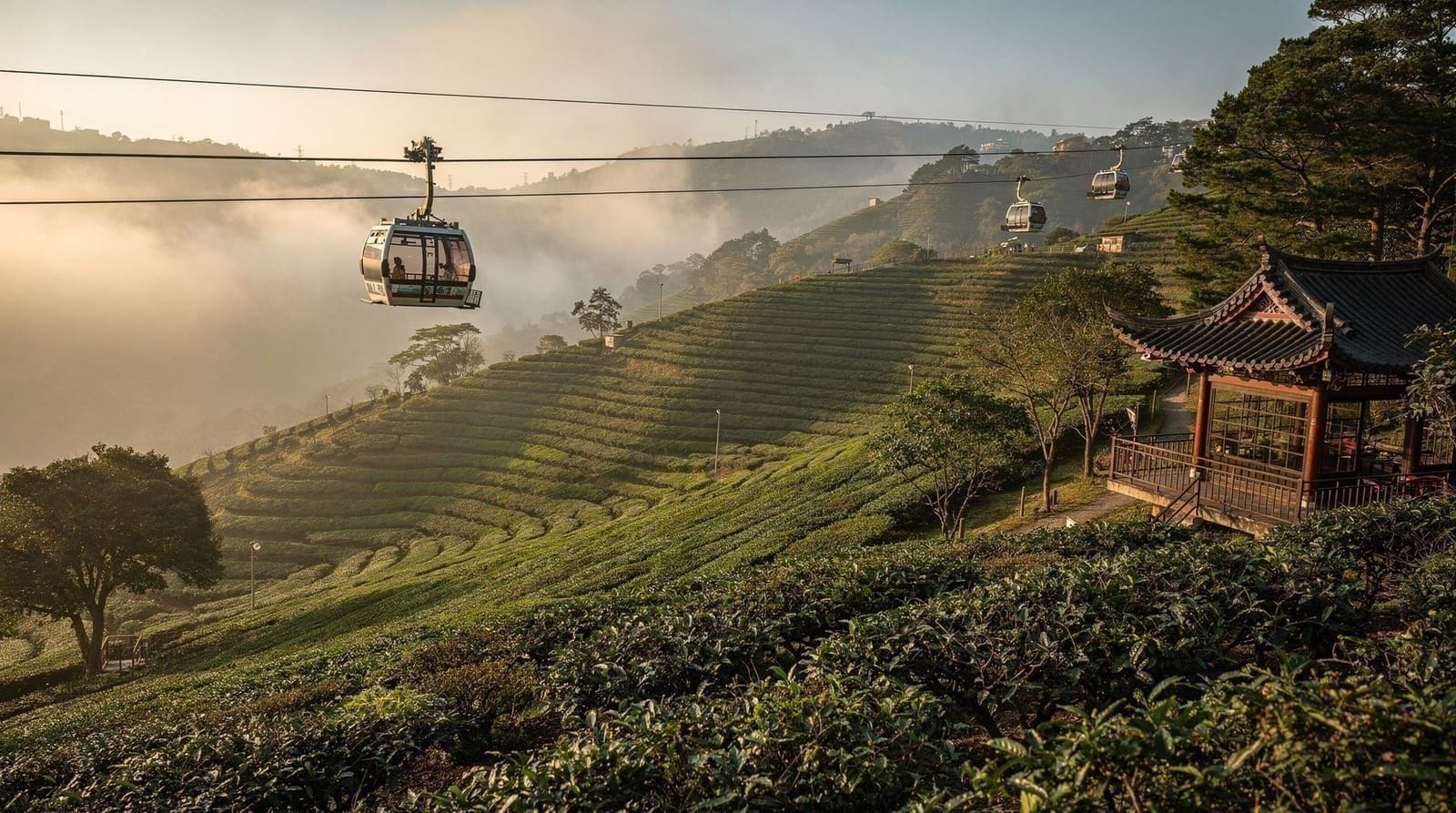
The Maokong area in southern Taipei is Taipei’s tea plantation district — you can take the gondola (or bus) up the mountain and sit in a traditional teahouse looking over the city while drinking tea grown on the same hillside. It’s more theatrical than the street-level shops, and the tea quality varies, but the experience is unique.
Most teahouses charge NT$200–400 per person for tea service, which includes multiple steepings of a single oolong variety, hot water refills, and usually a small snack. The ritual of gongfu tea — small pot, tiny cups, fast steepings that evolve in flavour — is explained by most staff even without much English.
The tea culture guide has specific teahouse recommendations and a breakdown of the different Maokong serving styles. For a combined day tour:
Taipei: Pinglin tea culture and Maokong guided day tourJiufen teahouses
If you’re doing the Jiufen day trip (which you should — it’s one of the best in northern Taiwan), the red-lantern teahouses on the main steps are part of the experience. A-Mei Tea House (阿妹茶樓) is the one everyone photographs; it’s worth going for tea but the food is tourist-facing and overpriced. The teahouses slightly lower on the main steps tend to have better food-to-price ratios and equivalent tea quality.
The Jiufen vs. Maokong teahouses comparison guide gives a more thorough breakdown of what each experience offers.
Taipei’s specialty coffee scene
Daan and Zhongshan: where the serious roasters are
The independent café scene is densest in Daan (大安) and Zhongshan (中山) districts. A partial list of places worth seeking out:
Fika Fika Café (芬蘭烘焙) on Nanjing East Road: One of the pioneers of specialty coffee in Taipei, operating since 2012. The Nordic approach — light roasts, clean extraction, excellent pour-overs — is consistent and the space is designed for sitting in properly. Coffee: NT$160–220.
Simple Kaffa (興波咖啡) on Zhongxiao West Road: Won the World Barista Championship in 2016, which is either a meaningful credential or irrelevant to you depending on how seriously you take coffee. Either way, the sourcing is meticulous and the espresso-based drinks are technically executed. Expect NT$180–260 per drink. Always a queue at peak times.
Rufous Coffee (赤兔咖啡) in Daan: Smaller, quieter, excellent pour-overs and single origins clearly labelled with processing method. The kind of place where you sit at the bar and watch the preparation if you’re interested. NT$150–220.
The café-as-social-space phenomenon
One thing that distinguishes Taipei’s café culture from Japan’s or Europe’s is the way cafés function as co-working and social spaces. Many Taipei cafés don’t enforce any minimum order or time limit — you can sit for 3–4 hours with a single coffee and the staff won’t pressure you to leave. This is culturally normal and explains why cafés are often full of people with laptops, sketchbooks or books.
The flipside: popular cafés often have queues or are at capacity on weekend afternoons. Going on a weekday morning guarantees better service and more space.
What about chain cafés?
Louisa Coffee (路易莎咖啡): The dominant local chain, operating in hundreds of locations across Taiwan. The coffee is adequate, the pricing is fair (NT$75–120), and they’re everywhere. Not a destination, but a reliable backup.
Cama Café: Similar position — ubiquitous, decent, very affordable. NT$60–100.
85°C Bakery Café: The Taiwanese export that’s now globally recognised. The coffee is fine; the bakery items are the actual draw. NT$40–80 per item.
The bubble tea question
For a deeper look at shops and ordering, see the bubble tea guide.
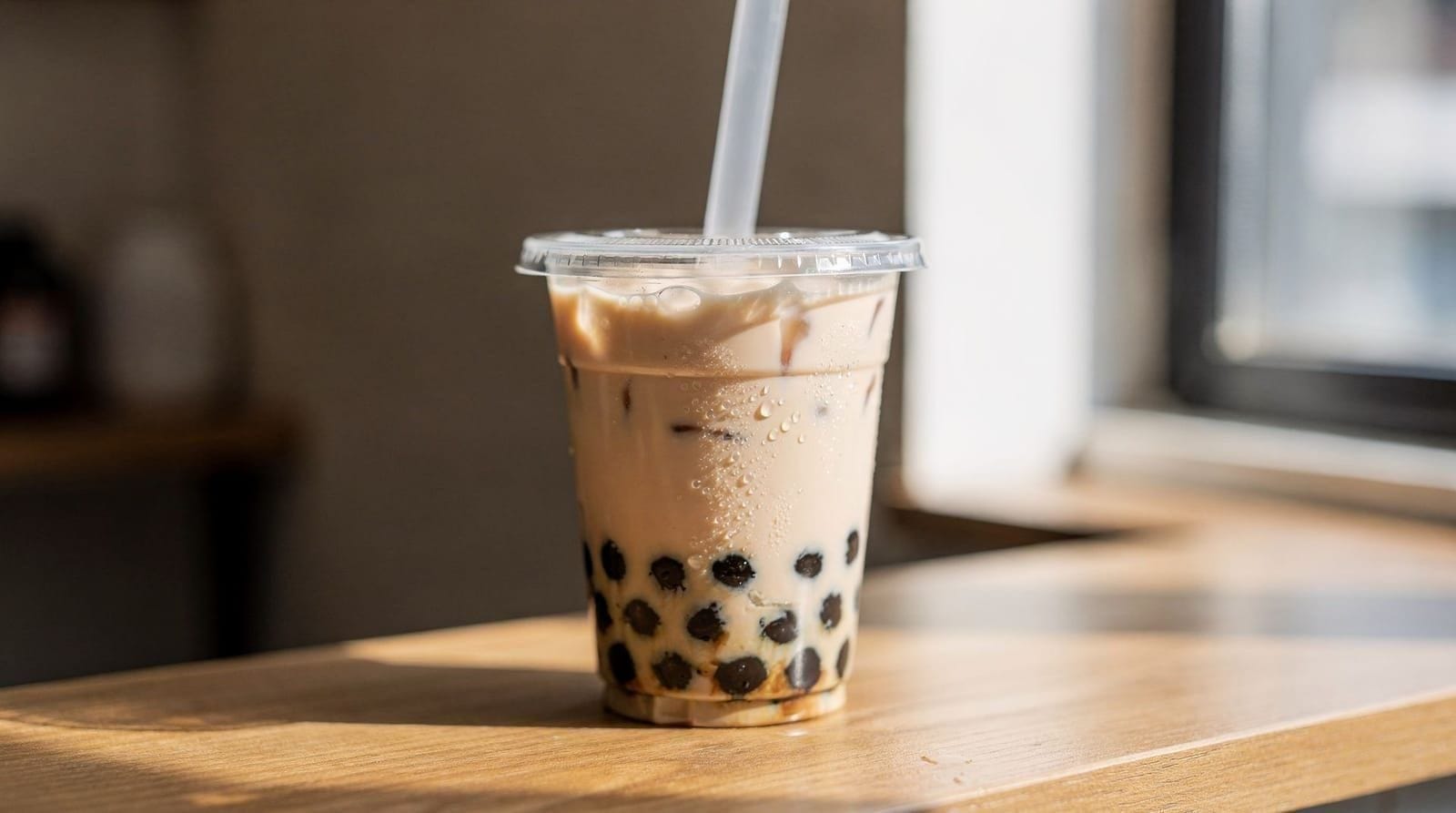
No discussion of Taipei’s drink culture can avoid bubble milk tea (珍珠奶茶, zhēn zhū nǎi chá). It was invented in Taiwan, and the Taiwanese version remains, in most blind comparisons, better than the international chains that have diluted the format globally.
What distinguishes a good bubble tea:
- Tapioca texture: should be chewy (Q texture, 彈 dàn) with a slight spring, not mushy or rock-hard
- Tea strength: the base should taste of actual tea, not just milk and sugar
- Sweetness level: good shops let you specify (0%, 25%, 50%, 75%, full sugar)
Worth seeking out: Yi Fang Taiwan Fruit Tea (一芳) for fruit-forward versions; Tiger Sugar (老虎堂) for the aesthetic brown-sugar tiger-stripe drink (genuinely good but photo-driven queues); Chun Shui Tang (春水堂) for historical credibility.
Budget: NT$60–130 per cup. The price difference between budget chains and serious establishments is small — the quality difference is larger.
Tea to take home
If you want to bring Taiwanese tea home as a gift or for personal use, the best options:
- Wang De Chuan and Ten Ren Tea on Yongkang Street or in the Taipei City Mall have vacuum-sealed packaging suitable for flights
- Dihua Street wholesalers for bulk quantities at better prices
- Oolong varieties travel well; green teas are more delicate and degrade faster
Import restrictions: most countries allow reasonable quantities of personal-use tea without issue. EU and US customs permit personal imports of tea without duty in small quantities. Check airline regulations for carry-on (no liquid restrictions apply to dry tea).
Tea vs coffee: which to prioritise if you’re short on time
| Taiwanese tea | Specialty coffee | |
|---|---|---|
| Best neighbourhood | Yongkang Street or Maokong | Daan or Zhongshan |
| Typical cost | NT$95–2,500 (loose leaf varies widely) | NT$150–260 |
| Time commitment | 45–90 min for a proper tasting | 30–60 min |
| Uniquely Taiwanese | Yes — high-mountain oolong, gongfu ritual | Less so — global specialty-coffee format |
| Good for a first-timer | Yongkang Street tasting counters | Any of the Daan roasters listed above |
If you can only do one, the tea side is the more distinctly Taiwanese experience — the coffee scene, while genuinely excellent, follows a format you can find in Melbourne, Copenhagen or Seoul. A first-time visitor gets more cultural return from an hour at a Yongkang Street tea counter than from a flat white, however well-pulled.
A one-afternoon tea and coffee crawl
For a single afternoon combining both, start at a Yongkang Street tea shop around 14:00 for a guided tasting (45 minutes), walk 10 minutes to a Daan specialty café for a pour-over as a palate cleanser, then finish at a bubble tea stall on the way back to the MRT — comparing the tannic structure of a good oolong against the sweetness of a well-made bubble tea makes the contrast between Taiwan’s two drink cultures much clearer than reading about it. Budget NT$400–600 total for the crawl, plus transport.
Getting around between tea and coffee stops
Most of the places above sit close to an MRT station, so the Taipei MRT guide and the EasyCard guide cover everything you need to link them together. If you want to fold a café or tea stop into a longer plan, the 3-day itinerary and the food lovers itinerary leave natural gaps for it, and the street food guide pairs well with an afternoon of sipping.
Etiquette notes for tea houses
Most Yongkang Street and Dihua Street tea shops expect you to taste before buying, which is normal and not an obligation to purchase — staff generally understand this is part of educating visitors about Taiwanese tea. At Maokong teahouses, the per-person service charge covers multiple steepings and you’re welcome to linger; rushing through a gongfu tea session defeats the point of the ritual. Tipping is not expected at either tea shops or cafés — service charges, where applied, are already included in the price.
Frequently asked questions about Taipei’s coffee and tea scene
Is Taipei good for specialty coffee?
Yes — the specialty coffee scene is well-developed, particularly in Daan and Zhongshan. Prices are comparable to London or Copenhagen, which feels high relative to other Taipei food costs, but the quality at the better roasters is genuinely competitive.
What’s the best area for tea shopping in Taipei?
Yongkang Street (Daan) for traditional oolong houses; Dihua Street (Dadaocheng) for wholesale and heritage context; Maokong for the experience of drinking tea in a teahouse on the production hillside.
How does Taiwanese bubble tea differ from what I’ve had abroad?
The main differences are tapioca texture (chewier, made fresh more regularly), tea strength (more pronounced), and sweetness calibration (better control). The format has been copied extensively but rarely matched.
Can I do a tea ceremony experience in Taipei?
Yes — Maokong teahouses and several dedicated studios in Daan offer gongfu tea ceremonies. The Taiwan tea introduction session format (a formal introduction to tea varieties and brewing methods) is available at some cultural centres. See also the in-depth tea introduction tour:
Taipei: In-depth introduction to Taiwan teaWhat does Taiwanese oolong taste like compared to Chinese oolong?
Taiwanese high-mountain oolongs (Ali Shan, Li Shan, Da Yu Ling) tend to be lighter in oxidation with floral, milky and vegetal notes. Dong ding is more oxidised with a roasted, caramel character. Chinese oolongs from Wuyi or Fenghuang tend to be heavier and more mineral. Neither is better — they’re different tea philosophies.
Should I prioritise tea or coffee if I only have one afternoon?
Tea — specifically Yongkang Street or Maokong. It’s the more distinctly Taiwanese experience, while the specialty coffee scene, though excellent, follows a format found in many other cities.