Taipei tea culture guide — gongfu cha, teahouses and Taiwan's best teas
Taipei: Pinglin tea culture and Maokong guided day tour
Duration: 9 hours
What is Taiwan tea culture, and how do I experience it in Taipei?
Taiwan produces some of the world's finest oolong teas, including the famous High Mountain oolong (高山烏龍) and Taiwanese bubble tea's origins (though street bubble tea is a separate category from fine tea). The gongfu cha (功夫茶) brewing ritual — a precise, meditative preparation using small clay teapots and ceramic cups — is the traditional way to drink fine Taiwanese tea. In Taipei, the best places to experience this are the teahouses of Maokong (accessible by gondola), traditional Jiufen teahouses, and a handful of specialist tea shops in Dadaocheng.
| Where | Maokong (gondola), Pinglin, Dadaocheng, Jiufen |
| Cost | TWD 200–500/person for a teahouse session |
| Time needed | 90 minutes minimum for a proper gongfu cha session |
| Best for buying tea | Dadaocheng merchants or Pinglin farm shops |
| Booking | Not required for teahouses; recommended for tastings |
Taiwan’s place in the tea world
Taiwan produces a relatively small volume of tea by global standards — far less than China, India, or Sri Lanka. What it produces is disproportionately influential: its High Mountain oolongs, Oriental Beauty, and Baozhong teas are consistently rated among the world’s finest.
The island’s geography creates ideal growing conditions: volcanic soils, altitude variation from sea level to 3,000 metres, high annual rainfall, and the persistent mist that tea plants thrive in. Most Taiwanese fine tea comes from mountain plantations in Nantou County, Alishan in Chiayi, and the Li Shan range in Taichung — all reachable from Taipei but easier as overnight or multi-day trips.
For Taipei-based tea experiences, the primary options are:
- The Maokong tea village (gondola-accessible from the city edge)
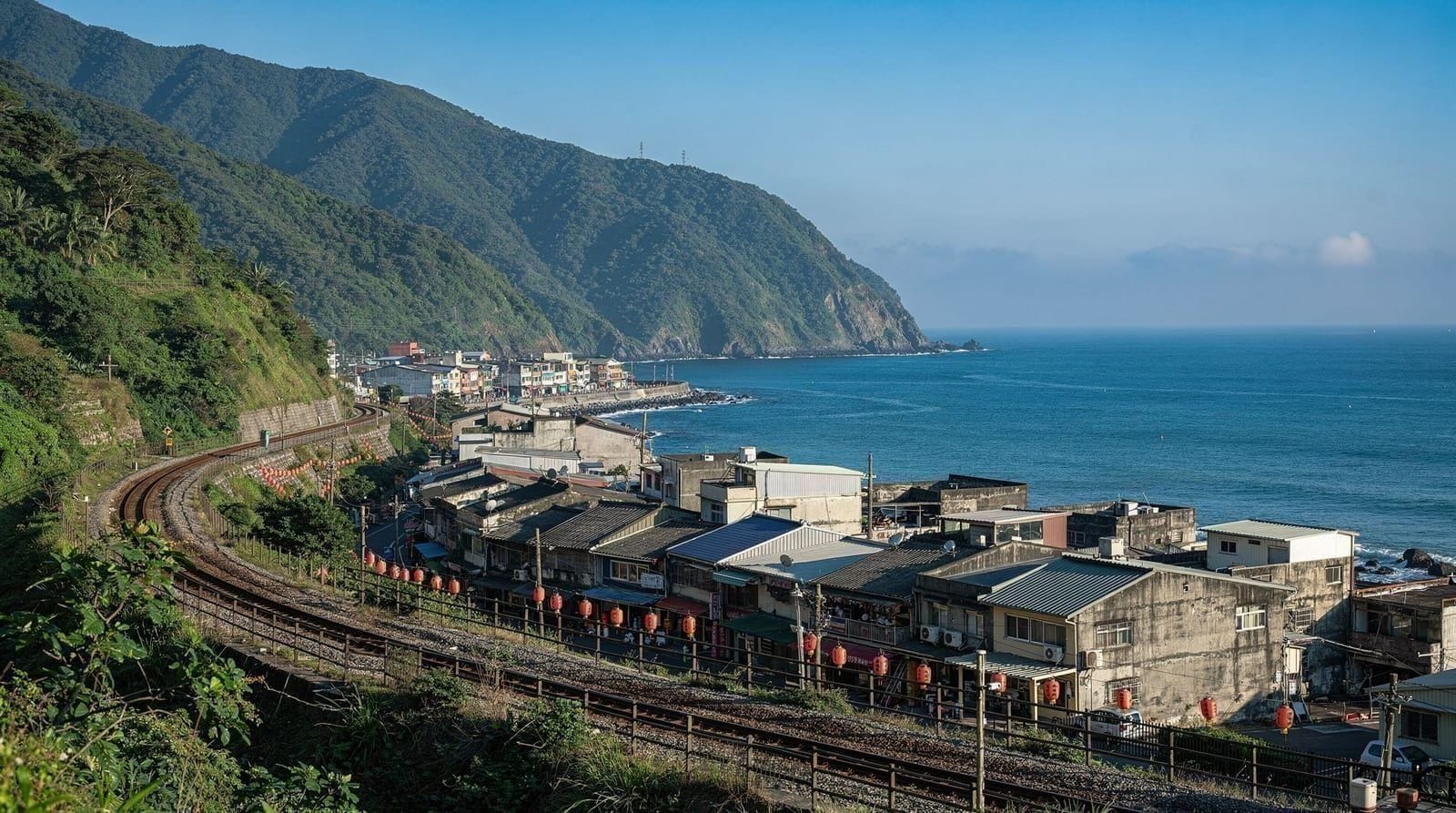
- Traditional teahouses in Jiufen
- The Pinglin tea township (day trip)
- Tea merchants in Dadaocheng/Dihua Street
If you are building a wider trip around these stops, the Taipei itinerary guide and the three-day Taipei itinerary show where a tea afternoon fits without crowding out the major sights. Tea works best as a slow counterweight to a busy sightseeing day, so plan it for the afternoon or evening rather than squeezing it between two museums.
Understanding gongfu cha
Gongfu cha (功夫茶) is the cornerstone of formal Taiwanese tea drinking. It is not a specific ceremony like the Japanese tea ceremony — it’s a set of techniques and tools for brewing tea with precision and care.
Equipment
A traditional gongfu cha setup includes:
- Yixing teapot (紫砂壺): Unglazed clay from Jiangsu province. The porous clay absorbs oils from the tea over time, theoretically improving with use. Dedicated practitioners use different pots for different tea types.
- Gaiwan (蓋碗): A covered bowl used in place of or alongside the teapot. More versatile; easier to clean; preferred by some practitioners for evaluating teas cleanly.
- Serving pitcher (茶海 / 公道杯): Tea is poured from the teapot into this before cups, ensuring even concentration for all guests.
- Tasting cups and aroma cups (聞香杯): Small cups. Aroma cups are taller and narrow; you inhale the lingering fragrance after transferring tea to the tasting cup.
- Tea tray (茶盤): Usually bamboo or wooden with drainage; the surface catches spills and the rinse water from warming pots and cups.
The process
- Warm the vessel: Pour hot water into the teapot (or gaiwan), then into the cups. Discard.
- Measure tea: 3–5 grams per 100ml is typical for oolong. High mountain oolongs can use as little as 4g; heavily roasted oolongs need more.
- Rinse the leaves: A brief first steep (10–15 seconds) is poured out — this is called the “awakening” steep. It opens the leaves and removes any dust or surface compounds.
- First infusion: Steep times are short — 20–45 seconds for the first brew, increasing with each subsequent infusion.
- Multiple infusions: Quality Taiwanese oolongs yield 6–12 infusions. The flavour profile changes through the session: typically lighter and more floral early, richer and more complex in the middle steeps, softening in the final ones.
Water temperature
- High mountain green or light oolongs: 85–90°C
- Traditional roasted oolongs (Dong Ding style): 95°C
- Oriental Beauty and aged oolongs: 95–100°C
Using water that is too hot destroys delicate floral compounds in high-mountain oolongs. Teahouses serving good tea will note the appropriate temperature.
Taiwan’s most important teas
High Mountain oolong (高山烏龍茶)
The collective term for oolongs grown above 1,000 metres — Alishan (阿里山), Li Shan (梨山), Dayuling (大禹嶺), Shanlinxi (杉林溪), and others. These teas are characterised by a high ratio of amino acids to catechins (due to slow growth in cool mist), producing a pronounced sweetness, creamy texture, and complex floral-to-vegetal profile.
Dayuling oolong, grown at 2,400–2,600 metres near Hehuanshan, is often called Taiwan’s finest tea and commands prices starting at TWD 3,000–6,000 per 150g (€82–164).
Dong Ding oolong (凍頂烏龍)
From the Dong Ding mountain in Lugu, Nantou. A medium-oxidised, traditionally roasted oolong with a fuller, more rounded profile than High Mountain teas — notes of roasted grain, caramel, and a long warming finish. More approachable for drinkers accustomed to Chinese oolongs or roasted teas. Price range: TWD 600–2,000 per 150g.
Oriental Beauty (東方美人茶)
One of Taiwan’s most unusual teas, grown in Hsinchu and Miaoli. The bushes are intentionally left for the jassid leafhopper (Jacobiasca formosana) to bite; the plant’s stress response creates honey-like terpene compounds in the leaves. The result is a heavily oxidised (60–70%) oolong with distinctive honey, muscatel, and stone-fruit notes. No biting insects means no Oriental Beauty — it literally cannot be replicated in controlled pesticide environments.
Wenshan Baozhong (文山包種茶)
From the Wenshan district (including Pinglin). A very lightly oxidised, lightly roasted oolong — the least oxidised of Taiwan’s oolongs. Delicate, floral, almost green in character. Highly perishable; best drunk fresh within 6 months of production.
Taiwanese black tea (台灣紅茶)
Sun Moon Lake produces a distinctive black tea from the Assam variety (台茶18號), known as “Ruby Red” or No. 18 tea. Rich, full-bodied, with cinnamon and menthol notes. Excellent brewed Western-style or as a cold brew.
Maokong: Taipei’s tea village
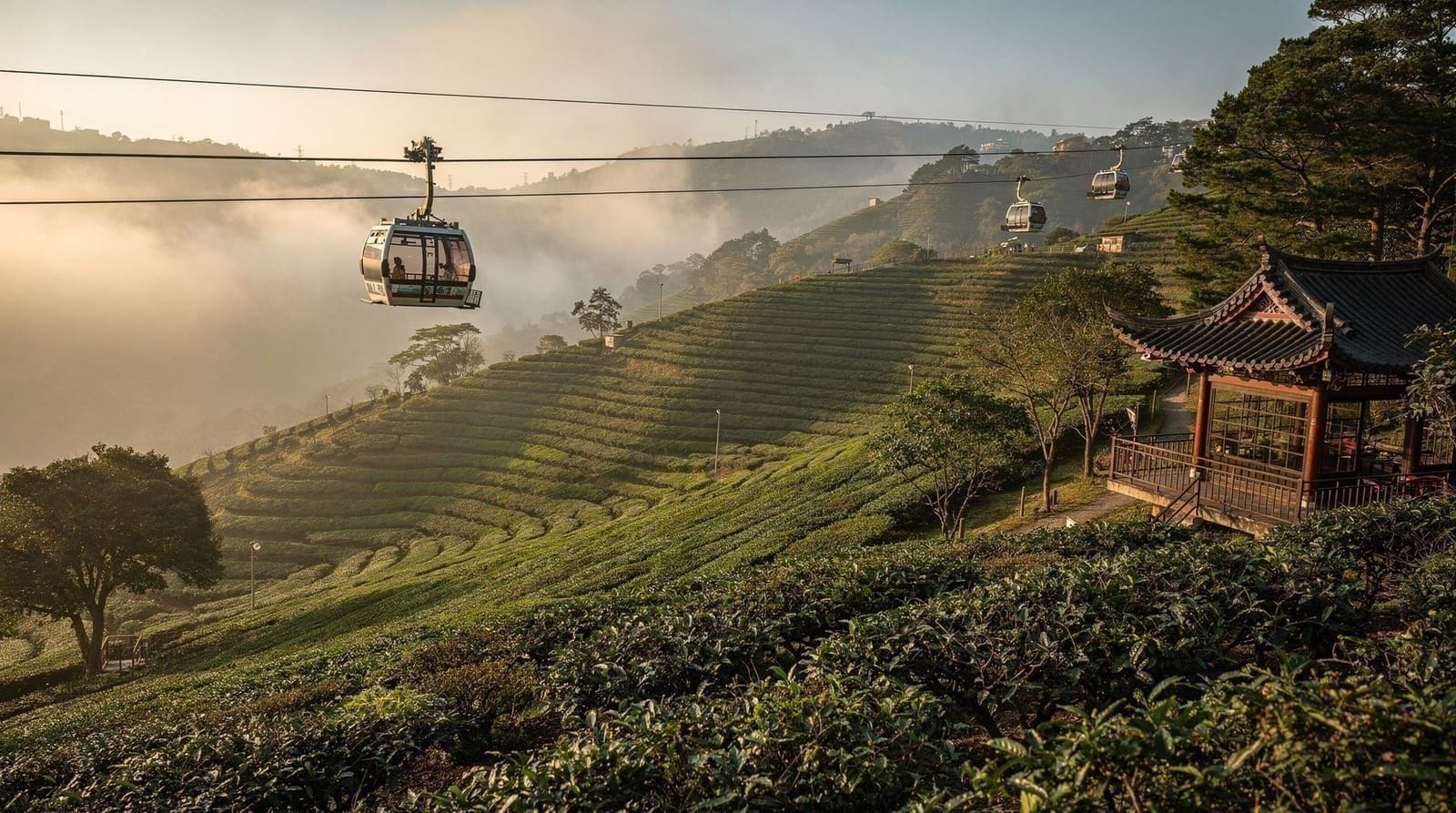
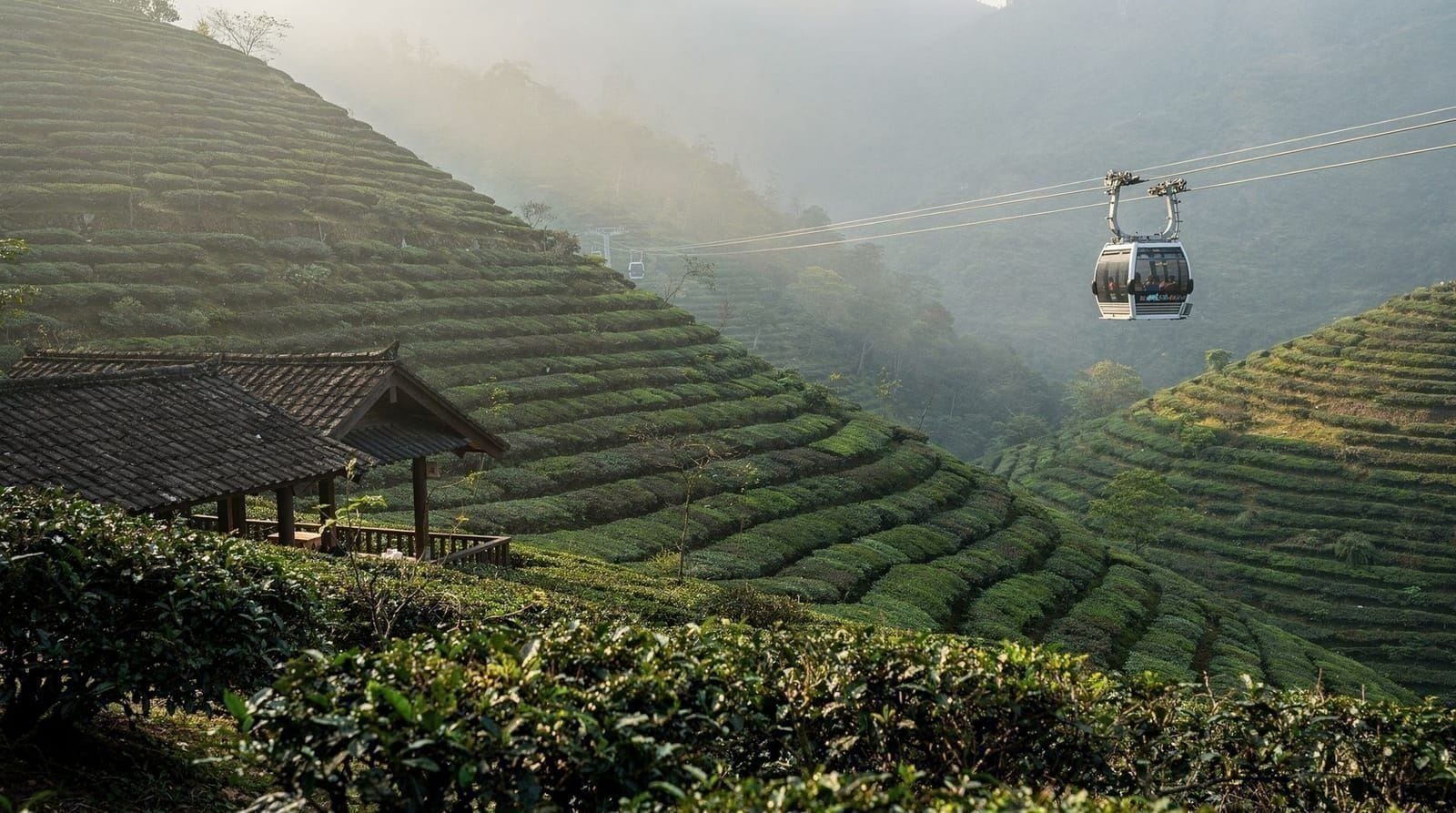
Maokong (貓空) is the most accessible tea experience from central Taipei. The hillside village has dozens of teahouses with mountain-and-city views, many open from early afternoon until midnight.
Maokong tea and Shenkeng tofu private day tourGetting to Maokong
The Maokong Gondola (貓空纜車) departs from Taipei Zoo Station (Brown MRT Line). The 4km ride takes 20–25 minutes. Operating hours: 9 am to 9 pm on weekdays, until 10 pm on public holidays. Closed on Mondays for maintenance, except national public holidays.
Cable car fares: TWD 180 per person each way in a standard cabin (crystal cabin TWD 230); EasyCard accepted.
What to do in Maokong
- Tea house sessions: Sit in an outdoor pavilion with mountain views and work through multiple infusions of locally grown Tieguanyin or Baozhong. Ask for the menu — better teahouses list their teas by origin and give tasting notes.
- Tea farm walks: Some smaller operations allow guests to walk through the tea gardens with advance arrangement.
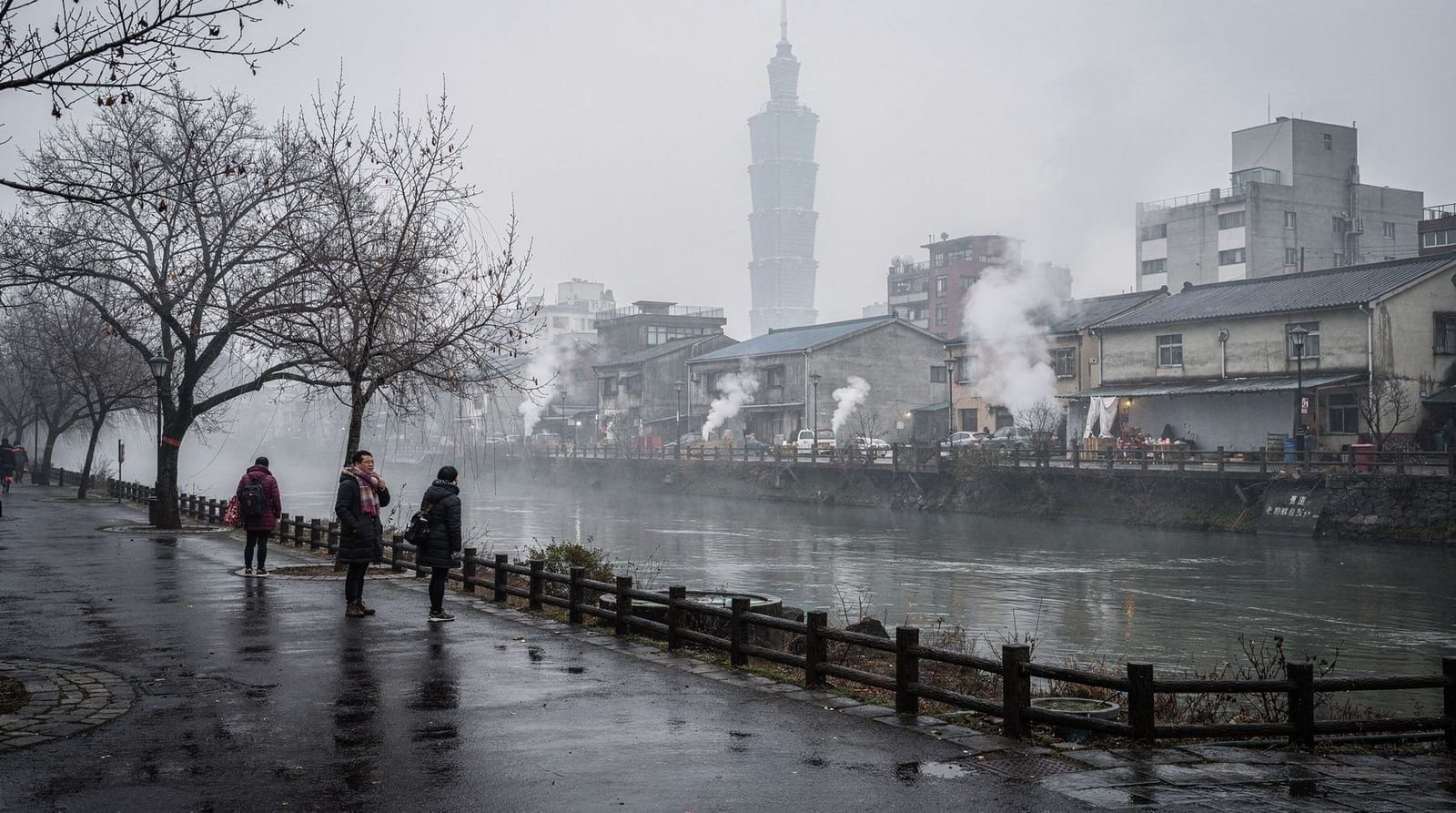
- Night views: Maokong’s late-evening hours make it an excellent spot for city-light views after dark. The illuminated Taipei 101 visible from the hillside teahouses is a standard scene.
- Shenkeng tofu: The town of Shenkeng, near the base of Maokong, is famous for its stinky tofu and tofu-based dishes — a worthwhile detour combined with a Maokong tea visit.
Recommended Maokong teahouses
- Zhang’s Tea Garden (張迺妙茶師紀念館): Attached to a small museum about the life of master tea farmer Zhang Naimiao; more historical context than most teahouses.
- Chengji Tea House (承記茶庄): Older establishment, outdoor terraces, good Tieguanyin selection.
- Various unnamed pavilions on the trails: Walking the signposted tea routes above the main gondola terminal reveals small farm operations with informal seating. These are often better for ambience than the roadside teahouses.
How to pace a Maokong visit
Treat the hillside as a place to slow down rather than a checklist. Arrive with enough daylight to see the tea terraces, settle into one teahouse for a proper session, and let the light fade while you keep drinking. Moving between three or four teahouses in a single visit defeats the purpose of gongfu cha, because the best part of the session is how the tea changes across successive infusions. Pick one spot, order a tea you have not tried before, and ask the staff to explain how they would brew it.
If you are deciding between hillside tea and the old mountain town, our comparison of Jiufen teahouses versus Maokong lays out the trade-offs in atmosphere, crowds and tea quality. For the full practical rundown on the cable car, including what to expect at the stations, read the Maokong Gondola guide. The destination page for Maokong also collects the wider area in one place, and Jiufen covers the alternative teahouse setting.
Etiquette at the teahouse table
Tea service is relaxed, but a few habits make the experience smoother. Let the host or the person nearest the pot pour for the table, and pour for others before yourself. When someone refills your cup, a light tap of two fingers on the table is a traditional way to say thanks without interrupting the conversation. Do not rush to finish the leaves or flip the lid; let the session unfold at the pace of the pot. Keep voices low, particularly in the quieter pavilions, and ask before photographing the tea equipment if the staff seem to be mid-ceremony.
Pinglin: the serious tea town
Pinglin (坪林) is a small township about 45 minutes from Taipei by bus (Bus 923 from Xindian MRT Station). It’s quieter and more production-focused than Maokong, with most visitors being Taiwanese tea enthusiasts rather than tourists.
The Pinglin Tea Museum (坪林茶業博物館) has good English-language exhibits covering Taiwan’s tea history, cultivation methods, and processing techniques. Entry approximately TWD 80.
The main street has farm shops selling Baozhong (Pinglin’s specialty) at prices that reflect production costs rather than tourist margins. A 75g pack of decent Baozhong starts around TWD 300–500.
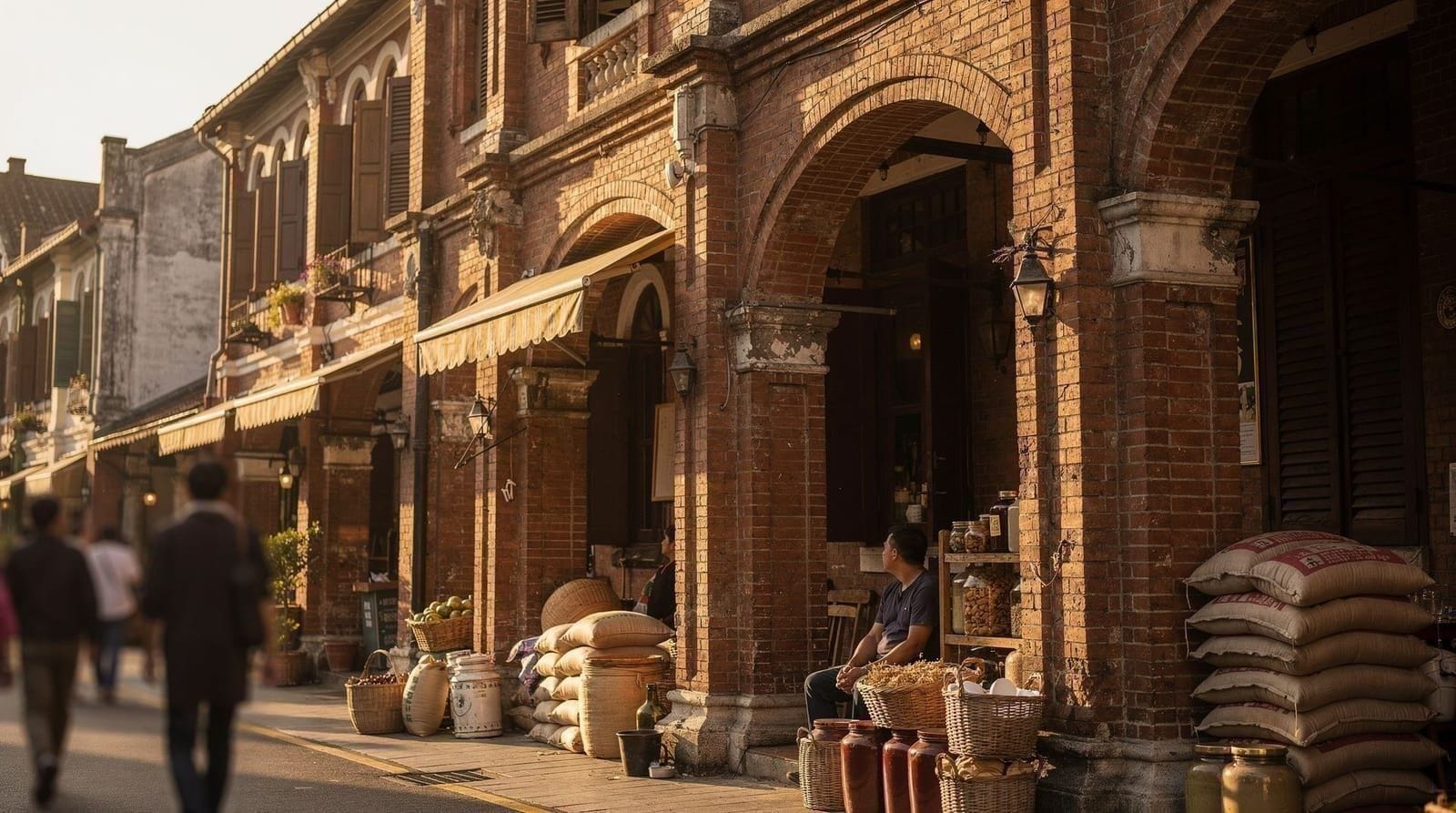
Tea in Dadaocheng (Dihua Street)
The old merchant quarter of Dadaocheng has several of Taipei’s most reputable traditional tea merchants:
Wang Tea (王有記名茶): Family business operating since 1938 on Dihua Street. One of the few remaining old-style merchants that sources directly from Taiwanese farms. Multiple tea types available; staff can guide selections.
Ten Ren Tea (天仁茗茶): A national chain with good quality but standardised products. Reliable; not exceptional. Good for gifts.
Xiaolao Ting (小老廳): Newer generation tea merchant near Dadaocheng; focuses on specialty lots and competition teas with transparent farm sourcing information.
For a tea-merchant walk combined with Dadaocheng’s historic street, see our Dadaocheng guide.
Buying tea well
Before you buy, ask to taste the tea you are considering, and ask when it was harvested and where it was grown. A reputable merchant will answer without hesitation and will happily brew a small pot for you. Buy a modest amount of a few different styles rather than a large quantity of one, so you can discover what you like at home. Lightly oxidised teas such as Baozhong are best enjoyed fresh, so do not stockpile them; roasted styles tend to be more forgiving. Store what you take home in an airtight container away from light, heat and strong smells.
If your trip also takes you through the old merchant quarter, pair the tea shopping with the wider Dadaocheng and Dihua Street area, and use the Taipei neighbourhoods guide to decide how it fits with the rest of your days.
Tea introduction sessions
For visitors who want structured learning rather than independent teahouse browsing, formal tea introduction sessions are available:
Taipei: in-depth introduction to Taiwan teaThese sessions typically cover: tea types, gongfu cha equipment, brewing technique with tasting of multiple varieties, and a Q&A with the instructor. Duration is usually 90–120 minutes. Suitable for adults and older teenagers interested in food culture.
Taiwan’s teas compared
| Tea | Style | Flavour | Price (150g) |
|---|---|---|---|
| High Mountain oolong | Lightly oxidised | Sweet, floral, creamy | TWD 800–6,000 |
| Dong Ding oolong | Roasted | Caramel, roasted grain | TWD 600–2,000 |
| Oriental Beauty | Heavily oxidised | Honey, muscatel | TWD 1,000–3,000 |
| Wenshan Baozhong | Very lightly oxidised | Delicate, floral, green-leaning | TWD 300–800 |
| Ruby Red (No. 18) | Black tea | Cinnamon, menthol | TWD 400–1,200 |
Tea beyond the leaf: pairing and planning
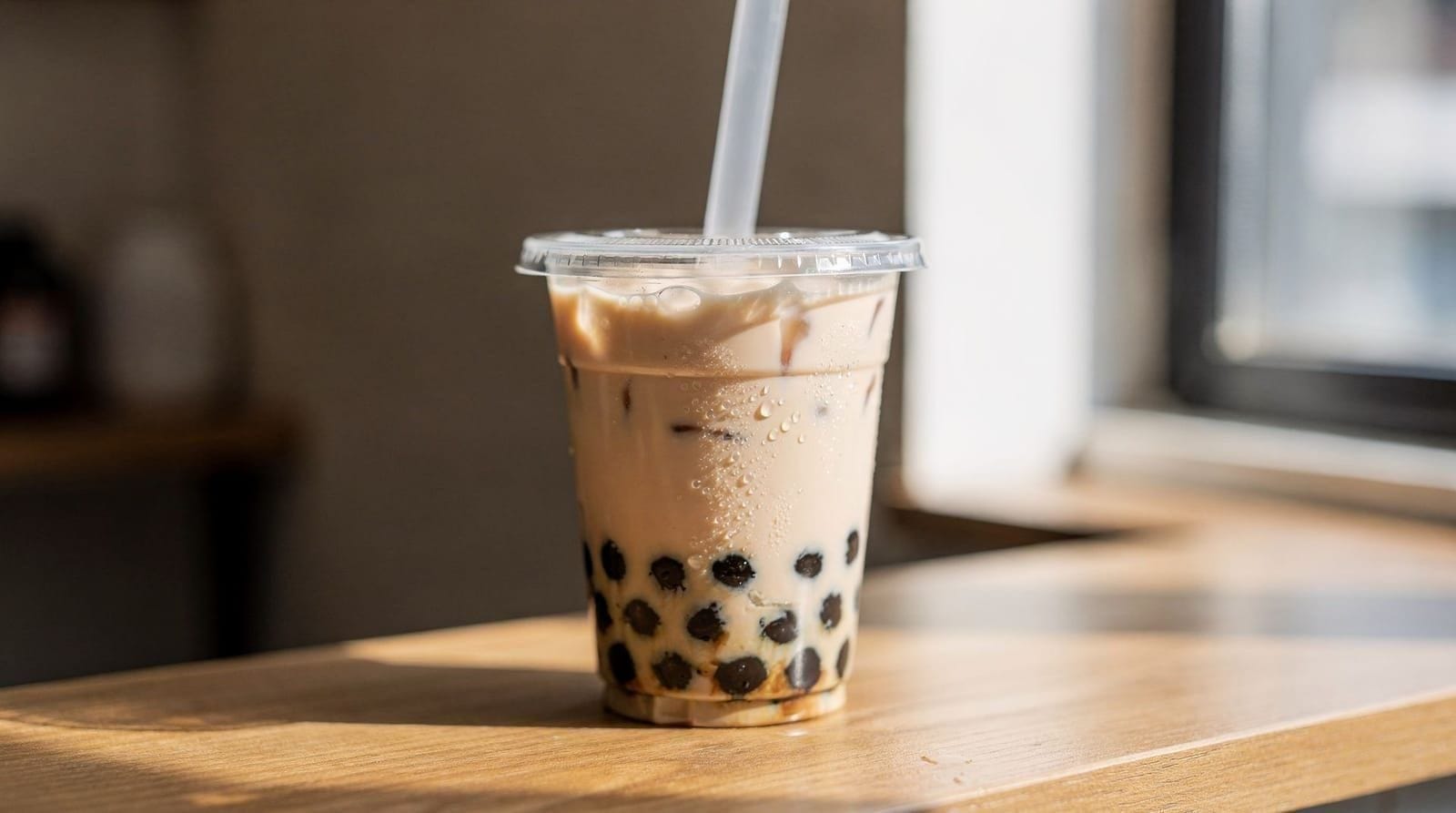
Tea in Taiwan is rarely drunk on its own. Teahouses serve small savoury and sweet accompaniments, and the contrast with a delicate oolong is part of the pleasure. Our guides to Taipei street food and the Taipei coffee and tea scene show how tea sits alongside the city’s wider food culture, while the bubble tea guide covers the cold, sweet side that is a different pleasure altogether.
Weather matters too. Misty, cool days suit a long hillside session, and wet weather is no reason to cancel; see Taipei in the rain for ideas on making the most of it. The cooler months are especially pleasant for hot tea, as our Taipei in winter guide explains.
Maokong vs. Pinglin vs. Dadaocheng — which tea experience to choose
Maokong is the easiest and most scenic option — a gondola ride, mountain-view teahouses, and a session that combines tea with a night view of the city. Best if you want atmosphere alongside the tea itself, and it’s the most beginner-friendly introduction to gongfu cha for visitors with limited time.
Pinglin rewards tea enthusiasts specifically. It’s quieter, more production-focused, and the Pinglin Tea Museum gives real context on cultivation and processing that a Maokong teahouse session doesn’t cover. Combine it with Maokong on the same day if tea is a genuine trip priority — the Maokong Gondola guide covers logistics for pairing them.
Dadaocheng is the right choice if buying tea to take home matters more than the ceremony of drinking it on-site. Merchants like Wang Tea sell at fair prices with staff who can guide selection, and it pairs naturally with a walk through Dihua Street.
Frequently asked questions about Taipei tea culture guide — gongfu cha, teahouses and Taiwan's best teas
What teas is Taiwan famous for?
What is gongfu cha?
Where is Maokong and how do I get there?
Is Pinglin worth visiting for tea?
What is the price range for gongfu cha in a Maokong teahouse?
Where can I buy quality Taiwanese tea to take home?
What is bubble tea, and is it related to fine tea culture?
Top experiences
Bookable activities with verified prices and instant confirmation on GetYourGuide.