Taipei for food lovers — a 3-day eating itinerary
Taipei: Street food hidden eats night market food tour
Duration: 3 hours
What to eat in Taipei — a structured approach
Taipei’s food scene is one of Asia’s most accessible and affordable: the average good bowl of beef noodles costs NT$200 (€5.70), a full night-market dinner runs NT$250–350, and even high-end omakase only occasionally breaks NT$3,000 per person. The problem isn’t cost — it’s knowing where to go across a city of 2.7 million people with food stalls on every block and quality varying wildly within the same street.
This three-day itinerary is structured by food category rather than geography: Day 1 covers traditional Taiwanese, Day 2 covers Chinese regional and Japanese-influenced, Day 3 covers tea culture and night markets. Each day includes real restaurant names, neighbourhoods, and MRT stops.
NT$35 ≈ €1, NT$32 ≈ US$1.
| Where | Dadaocheng, Ximending/Wanhua, Da’an, Songshan, Maokong, Shilin |
| Cost | around NT$1,200–2,000/day per person, food only |
| Time needed | 3 full days, best done consecutively |
| Getting there | MRT between neighbourhoods, walking within each |
| Best time | Any season; weekday mornings avoid the worst queues |
| Day | Focus |
| Day 1 | Traditional Taiwanese |
| Day 2 | Chinese regional & Japanese-influenced |
| Day 3 | Tea culture & final markets |
Day 1: Traditional Taiwanese — street food, markets, and dumplings
Morning: Dadaocheng breakfast and market
Start at Dadaocheng before 9 am. Yongle Market (No. 21 Dihua Street, Section 1; MRT Zhongshan or Shuanglian, 10-minute walk south) has the most concentrated traditional breakfast options in central Taipei:
- Congee with pickles and braised tofu: NT$50–70
- Radish cake (蘿蔔糕, luóbo gāo) with egg: NT$55
- Pork soup (排骨湯) with rice: NT$80
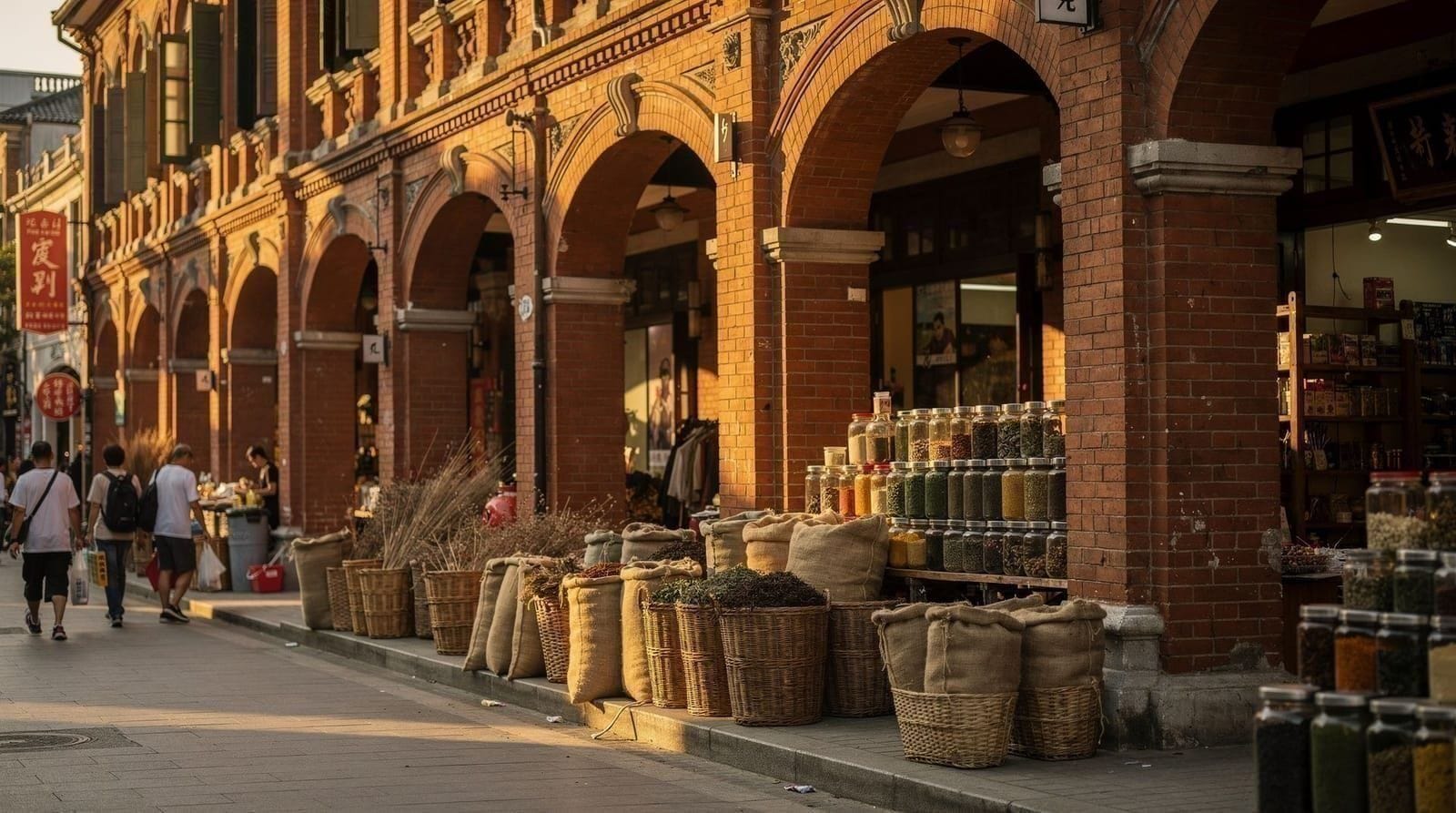
Fujianese-style pastries from Yongle’s ground-floor stalls: sesame flatbreads (NT$25), traditional pineapple cakes (NT$35 each, vastly better than airport gift shop versions). The Dadaocheng street guide covers the full area including which herb and tea sellers are worth stopping at.
After breakfast, walk south along Dihua Street for a shopping-while-eating circuit: dried mango NT$150/100g, Taiwan High Mountain Oolong loose leaf NT$300–800/50g depending on grade.
Late morning: Beef noodle pilgrimage
Taiwan’s beef noodle (牛肉麵) is the island’s most contested dish — every region and family claims the definitive version. In Taipei, three places stand out for different styles:
Lin Dong Fang (林東芳): 274 Bade Road Section 2 (MRT Zhongxiao Xinsheng, 5-minute walk). The red-braised (紅燒) version — richly spiced, thick sauce, fall-apart beef shank over wide flat noodles. NT$200–260 for a large bowl. Lunch queue begins at 11:00; arrive by 11:15 to wait 20 minutes maximum. This is often cited as the best in the city and the price is honest for the quality.
Yong Kang Beef Noodle (永康牛肉麵): 17 Jinhua Street (MRT Guting, 5-minute walk). The original “clear broth” (清燉) style — lighter, more subtly spiced, leaner broth. NT$240 for large. Queue at noon = 45 minutes.
Lao Zhang Beef Noodle (老張牛肉麵): Zhongshan District, multiple locations. Less famous but honest and quick.
Afternoon: Xiaolongbao and dumpling circuit
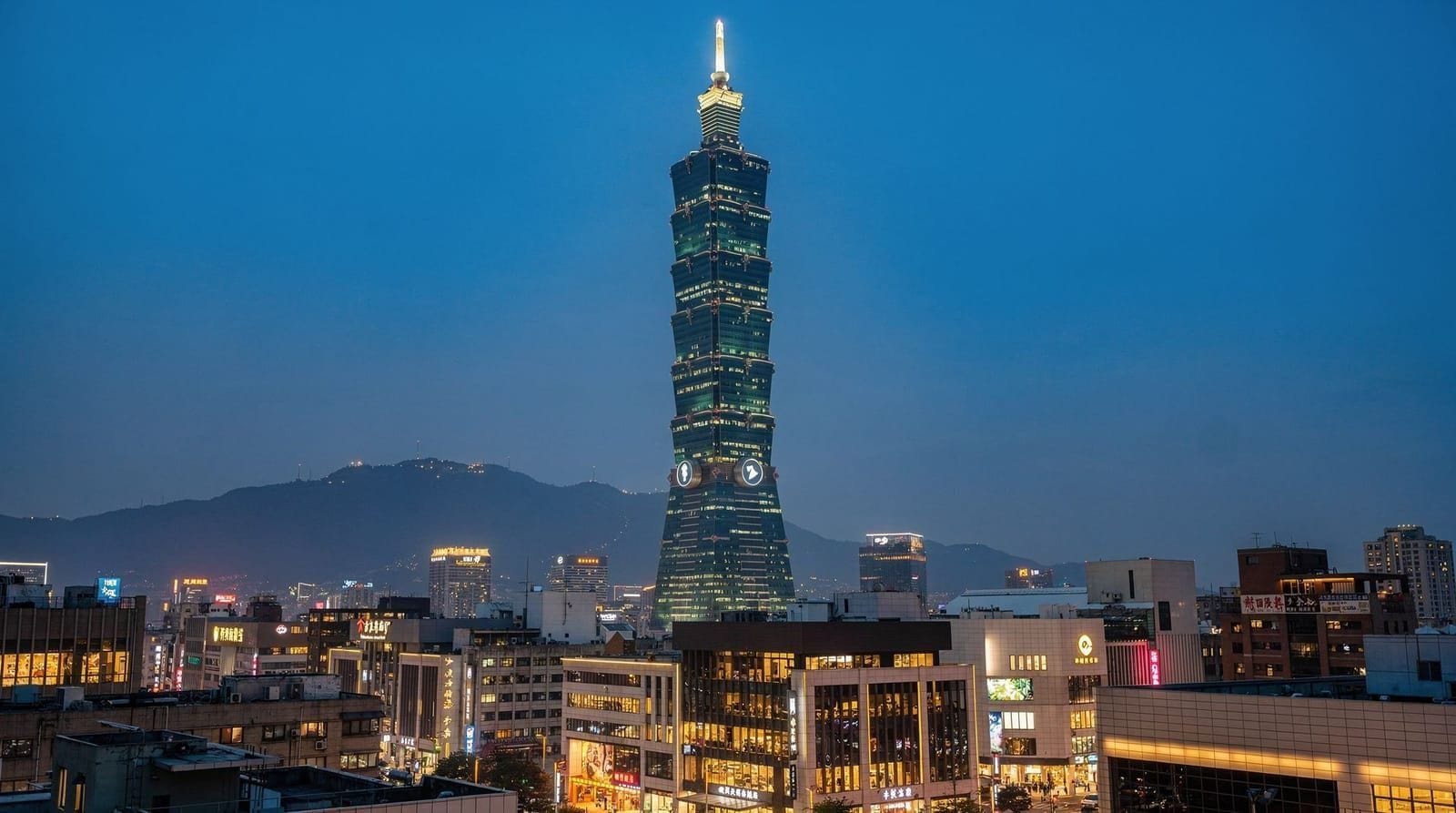
Din Tai Fung is the most internationally famous Taipei dumpling restaurant — 10 of 18 Michelin stars globally across its branches. The Xinyi flagship location (B2, Taipei 101, MRT Taipei 101/World Trade Center) has the shortest queue if you arrive at 14:00–15:00 (outside lunch service). Original pork xiaolongbao NT$255/10 pieces. The truffle xiaolongbao (NT$480/6 pieces) is controversial among locals — the original pork is better.
For a non-Din-Tai-Fung dumpling experience: Kao Chi Dumpling (29 Siwei Road, Da’an; MRT Da’an or Technology Building) — an 80-year-old family shop making hand-folded pot stickers (鍋貼) for NT$70/5 pieces. No English menu; point at the other tables.
Evening: Longshan Temple area and Huaxi Street
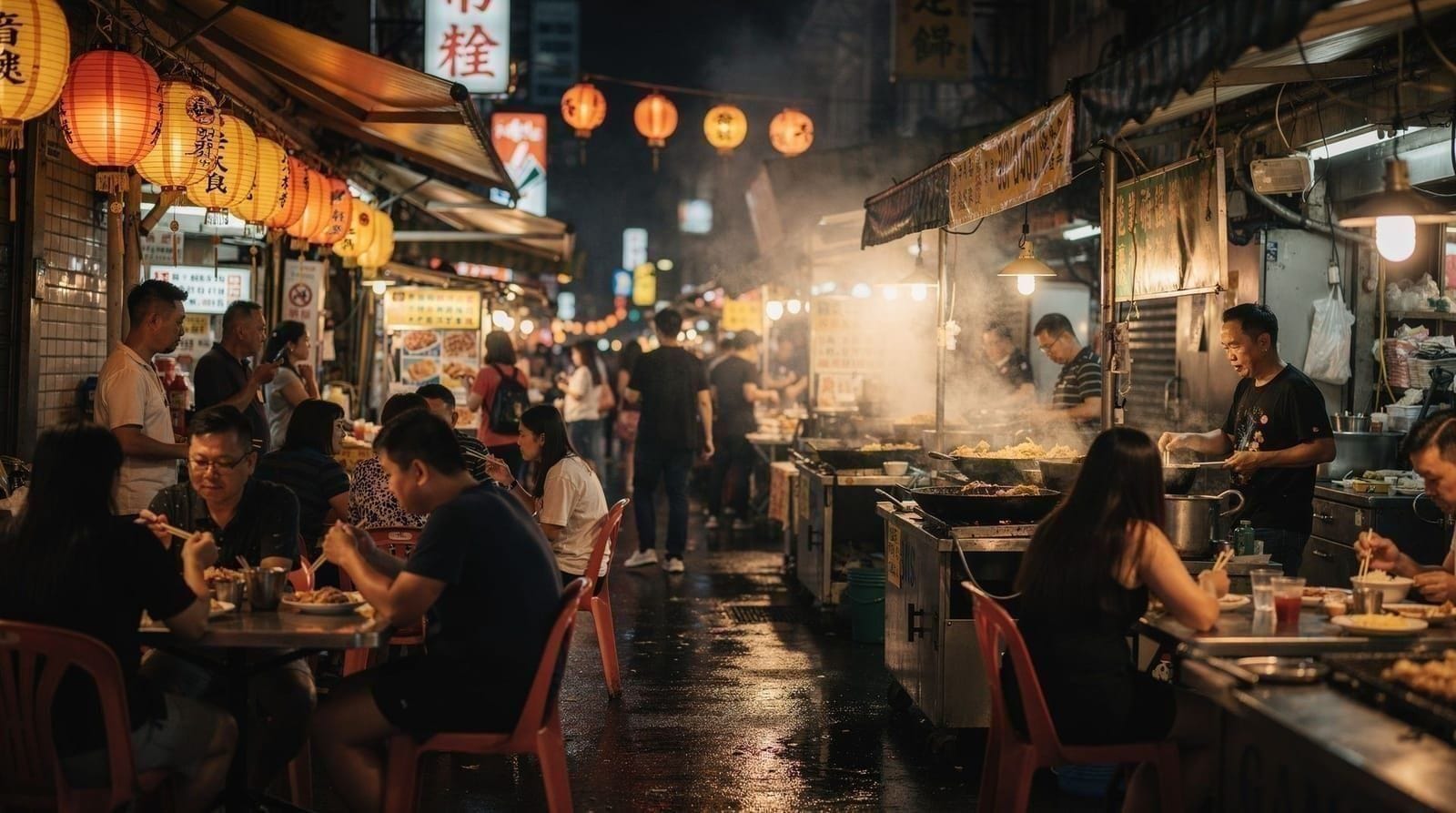
Dinner in Ximending and Wanhua: the western riverside area has the highest concentration of old-school Taiwanese eateries. Snake Alley (Huaxi Street) is tourist-oriented by night but the side streets off it have working-class restaurants that have been here for decades:
- Tien Hsiang Lo Oyster Noodle: near Longshan Temple (no exact address — look for the old lady with the enormous wok). Oyster vermicelli NT$60.
- A Nan Braised Pork Rice (阿南滷肉飯): near Guangzhou Street Night Market. NT$40 for a bowl of braised minced pork over rice — the simplest and most satisfying thing you’ll eat all trip.
Day 2: Chinese regional and Japanese influence
Morning: Hakka and Fujian breakfast tour
Zhongzheng district has the highest concentration of mainland Chinese-influenced restaurants in Taipei — a legacy of the 1949 migration. Tianjin Street (near Beimen MRT) has Hakka-style breakfast: sesame flatbreads, thick soymilk, and fried dough sticks (油條, yóutiáo). Soy milk (豆漿, dòujiāng) at Fong Da Coffee (the exception — this 1956 café does old-school syphon coffee NT$100 alongside deep-fried cruller sets NT$70).
Late morning: Ningxia market tour
Walk or MRT to Zhongshan area, then walk west to Ningxia Night Market (runs daytime food stalls as well as evening market; the oyster vermicelli stand at the entrance is worth the NT$65 even at 11 am). The night market guide covers Ningxia’s specialties in detail.
This 2-hour Ningxia market walking tour with tastings (from NT$1,200/person) includes 8 dishes you wouldn’t find on your own — worth it specifically for Ningxia, which is harder to navigate than the more tourist-ready markets.Check availabilityAfternoon: Japanese-influenced food in East Taipei
The Dongmen/Da’an area (MRT Dongmen, Green Line) has the densest concentration of Japanese-influenced cafés and izakayas outside of Japan. Two specific addresses:
- Ichiro (一路): 150 Yongkang Street — Japanese-style mackerel set lunch, NT$380, serves until 14:00
- Bossanova (波薩諾瓦): 47 Qingtian Street — Taiwanese-Japanese fusion curry, NT$320, open from 11:30
The pineapple cake (鳳梨酥, fènglísū) evolution in Taiwan was heavily influenced by Japanese pastry techniques imported during the colonial period (1895–1945). Best places to compare authentic versions: Chia Te Bakery (佳德糕餅), 87-1 Nanjing East Road Section 5 (NT$35–45 each; NT$280 box of 8, best by the box for gifts).
Evening: Raohe Night Market and specialty dishes
MRT to Songshan for Raohe Street Night Market. This is the most manageable major night market in Taipei — one straight street, 250 metres, with stalls on both sides. Essential dishes:
- Black pepper buns (胡椒餅): temple-front stall, NT$55, 15-minute queue. The bun is baked in a clay oven and the filling of seasoned minced pork and green onion is compressed into a dense, juicy pocket.
This is a legitimate Taipei food experience.
- Herbal medicine soup (藥燉排骨): NT$80 for pork ribs in a medicinal herbal broth. Strong-flavoured, deeply warming, and either wonderful or terrible depending on your tolerance for medicinal taste.
- Stinky tofu (臭豆腐): NT$60–80. The smell is genuinely challenging but the interior is silky and the fried version with chilli-pickled cabbage is one of Taiwan’s most misunderstood dishes. Try it.
Day 3: Tea culture and final market evening
Morning: Maokong tea ceremony
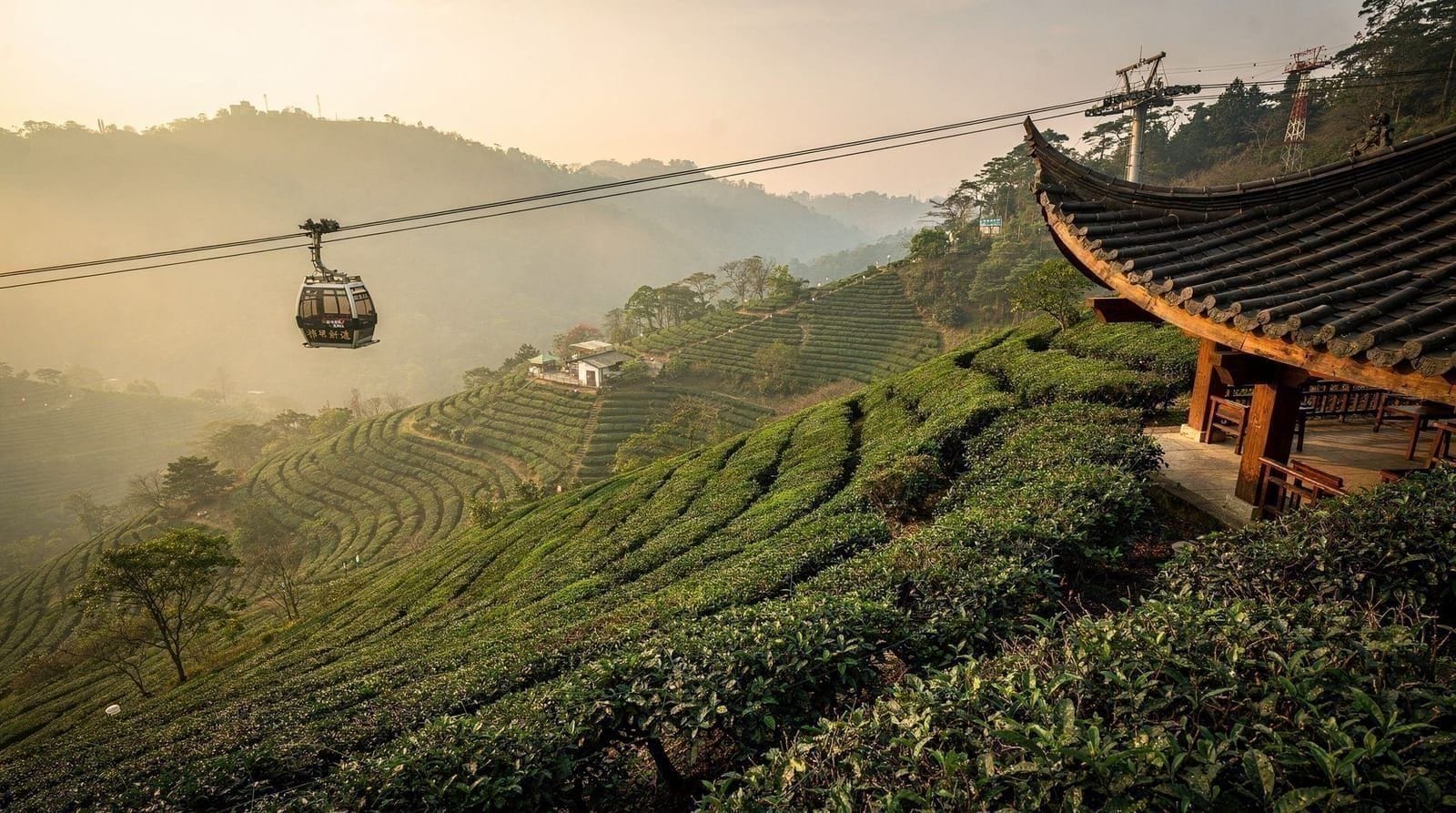
MRT Brown Line to Zoo Station, then Maokong Gondola (NT$180 each way). Maokong is Taipei’s hilltop tea production district — Iron Goddess (鐵觀音, Tieguanyin) oolong is the local specialty, grown on these slopes since the 19th century.
Yaoyue Teahouse (月之茶館, No. 40-1 Zhiyuan Road Section 3): terrace views, excellent Tieguanyin, tea set (pot + cups + light snacks) NT$200 per person minimum. Unlike Jiufen’s tea shops, Maokong teahouses are not tourist-trap-priced — the tea is genuinely good and the atmosphere is locals-and-families rather than Instagram-staging. Allow 90 minutes minimum for the tea experience. The Taipei tea culture guide explains the Iron Goddess grades and how to identify quality.
If you want hands-on cooking rather than eating, this Dadaocheng market tour and cooking class (3 hours, NT$2,900/person) covers a wet market sourcing visit and then a wok class in a traditional kitchen — one of the better cooking experiences in the city.Check availabilityAfternoon: Covered market and final shopping
Return from Maokong by gondola (or 90-minute trail walk down). MRT to Zhongshan Station for the covered market shopping area: Addiction Aquatic Development (18 Minzu East Road Section 2, MRT Yuanshan) is a seafood market-meets-restaurant complex. The raw seafood hall has oysters, sea urchin, and crab sold by weight at market prices; the prepared food section does hot dishes. If you’re doing only one “nice” lunch on this food trip, Addiction is the call — NT$600–1,200/person for a proper meal.
Evening: Shilin Night Market food hall
For the final evening, Shilin Night Market (MRT Red Line, Jiantan Station) is worth doing once specifically for the underground food hall (enter from the main market building, not the outdoor stalls). It’s the most tourist-priced night market in Taipei, but the basement is more honest and covers the widest range of Taiwanese dishes in one air-conditioned location.
Specialties to seek: scallion pancake (蔥抓餅, NT$40), stir-fried lemon clams (NT$120), oyster omelette (蚵仔煎, NT$70), and giant fried chicken steak (雞排, NT$80 — the Taiwanese version is breaded and fried to crispness then dusted with pepper and basil).
Total budget for 3 days of food-first eating (mid-range, excluding accommodation): NT$1,200–2,000/day per person, all in.
For travellers who want a structured food education rather than ad-hoc exploration, this private food tour with 10 tastings with locals (3 hours, NT$4,300/person) covers multiple neighbourhoods and includes someone who can explain what you’re eating and why it matters.Check availabilityIf you only have one day
Compress this into a single day by picking the strongest stop from each: Lin Dong Fang beef noodle at lunch (Day 1), Ningxia Night Market for dinner (Day 2), and swap Maokong’s 90-minute tea ritual for a quick pass through Dadaocheng instead, since the gondola round trip alone eats two hours you don’t have. This condensed version still covers the three pillars — noodles, dumplings, night market — without the tea detour, and works well paired with sightseeing rather than a dedicated food day.
Booking a table vs queueing
Almost nothing on this itinerary takes reservations — Lin Dong Fang, Yong Kang Beef Noodle, and the night market stalls are strictly queue-and-wait. The exception is Din Tai Fung’s Xinyi flagship, where the app-based queue system lets you register remotely and wander Taipei 101 while you wait rather than standing in line. Addiction Aquatic Development also gets busy on weekend evenings; arriving by 18:00 avoids the worst of it. For everything else, the 14:00–17:00 off-peak window is your best friend — queues at Lin Dong Fang and Yong Kang both drop to near zero outside the 11:30–13:30 and 18:00–19:30 rushes.
Essential food navigation tips
Language: Google Translate camera function works well on Taiwanese menus. Most street stalls have photo menus. Pointing works everywhere.
Payment: Many small stalls cash only. Carry NT$500–1,000 in small bills. Major restaurants accept cards.
Allergies: Pork, shellfish, and soy are pervasive in Taiwanese cooking — declare allergies clearly in writing. The Taipei first-timer guide has the standard allergy phrases.
Vegetarian options: Surprisingly extensive in Taipei. Buddhist vegetarian restaurants (素食, sùshí) are on almost every block — look for the green leaf symbol. Jin Feng Vegetarian (near Zhongzheng CKS district) is reliable.
See also the street food guide for a broader coverage of Taiwanese street food staples beyond this itinerary.
Frequently asked questions about Taipei
Do I need to book restaurants in advance for this itinerary?
No — almost every stop is queue-based rather than reservation-based. The one exception is Din Tai Fung’s Xinyi flagship, which uses an app-based virtual queue you can join remotely while sightseeing nearby.
How much should I budget per day for food alone?
Plan on NT$1,200–2,000 per person per day for a mid-range mix of street food, one sit-down meal, and market snacking — excluding accommodation and transport, which run separately.
Top experiences
Bookable activities with verified prices and instant confirmation on GetYourGuide.