Taipei first-timer guide
Taipei: Longshan temple Dihua Street Taipei 101 tour
Duration: 5 hours
What do first-time visitors to Taipei need to know?
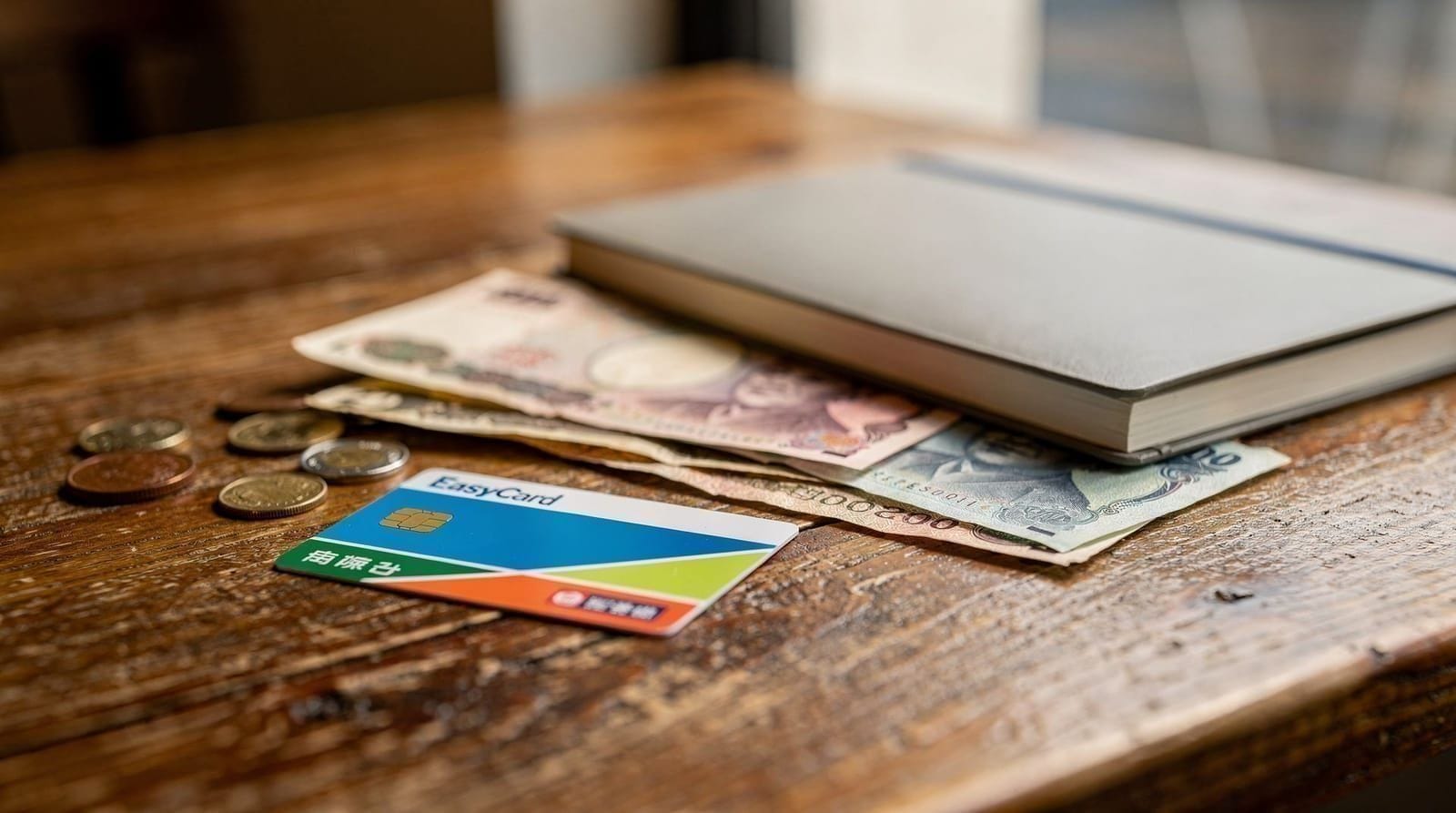
Get an EasyCard from the MRT on arrival (covers all transport), head to Longshan Temple on day 1, eat at Raohe Night Market rather than Shilin, buy your Taipei 101 ticket in advance, and book the Jiufen day trip independently by train — it is cheaper and more flexible than a tour.
| Where | Taipei, Taiwan — start at Taipei Main Station, the central hub |
| Cost | Around NT$400–600 (€11–17) daily for street food and transport |
| Time needed | 4 days covers the essentials comfortably; see day-by-day below |
| Getting there | Airport MRT Express from Taoyuan, around 35–37 min, NT$160 |
| Best time | Year-round; avoid the worst of typhoon season, July–September |
Before you arrive: the essentials
Visa and entry
EU, UK, US, Canadian, Australian, New Zealand, Japanese and Korean passport holders all get 90-day visa-free entry. You need a passport valid for at least 6 months and a return ticket. Complete the Taiwan Arrival Card (TWAC) online within 7 days before arrival via the National Immigration Agency (free) — it speeds up customs.
Currency
New Taiwan Dollar (TWD). In June 2026: 1 EUR ≈ 35–37 TWD, 1 USD ≈ 31.7 TWD. Withdraw cash from 7-Eleven or FamilyMart ATMs — they accept international cards and charge minimal fees. Exchange bureaux at the airport offer fair rates; avoid hotel exchanges.
Getting into the city
Take the Airport MRT Express from either terminal at Taoyuan. Direct trains to Taipei Main Station run every 15 minutes, take 35–37 minutes and cost TWD 160 (€4.50). Buy an EasyCard simultaneously at the airport MRT station — you can load the first fare directly.
Private transfers cost TWD 1,200–1,800 (€33–50) from Taoyuan and make sense if you have heavy bags and are splitting the cost with travel partners.
Getting around
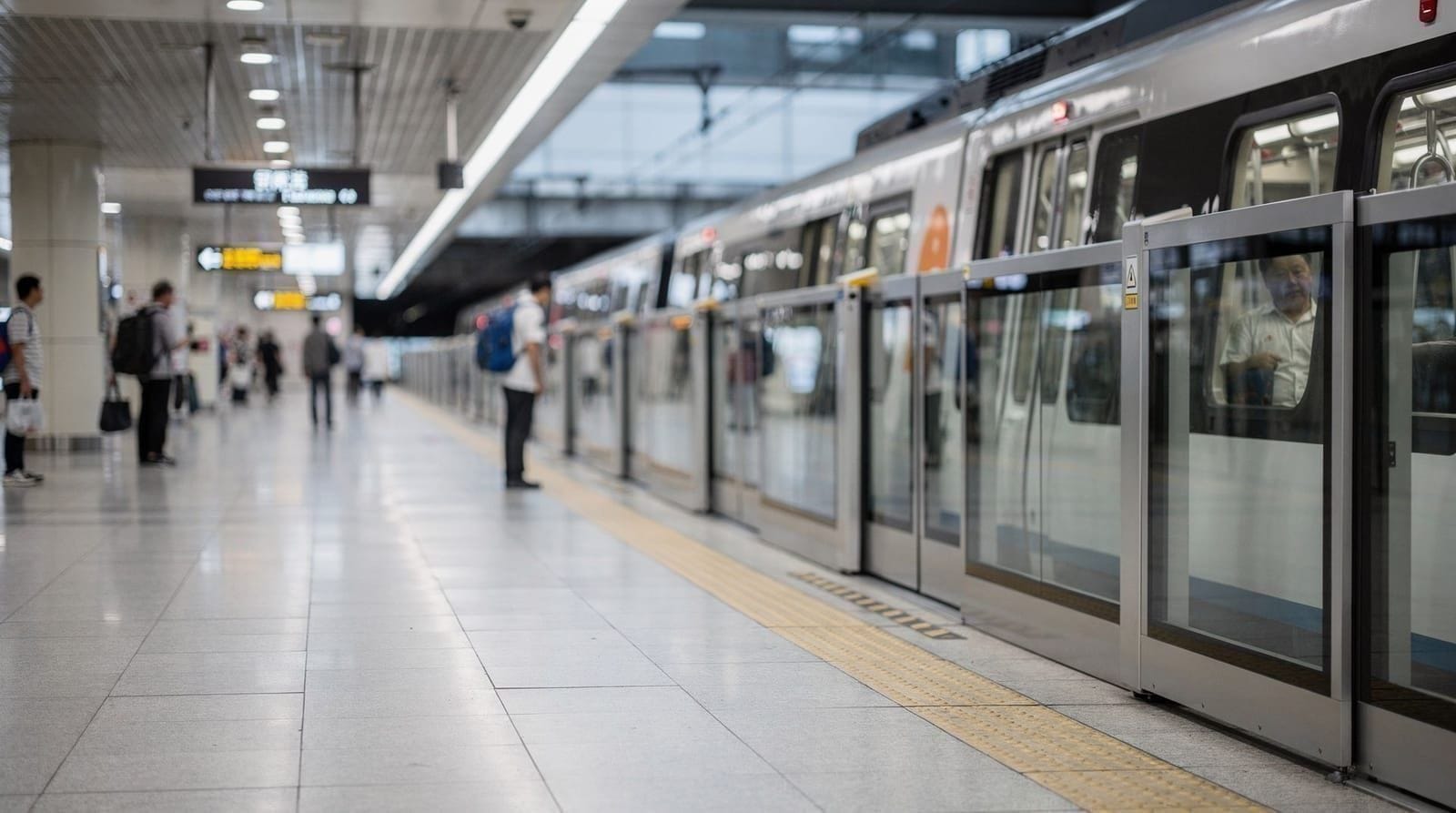
The MRT is the backbone of Taipei transit — 6 color-coded lines covering the city and extending to Beitou, Tamsui, Xindian and the airport. Trains run 6am–midnight, every 3–6 minutes during the day.
Single journeys cost TWD 20–65 (€0.55–1.80) depending on distance. With an EasyCard, you also pay 20% less on buses. YouBike (the public bike-share) accepts EasyCard and costs TWD 5–25 (€0.14–0.70) for short rides.
For a full breakdown, see the MRT guide.
Understanding the MRT lines
The six lines each have a colour and a name — knowing which line covers which neighbourhoods saves a lot of map-squinting on arrival.
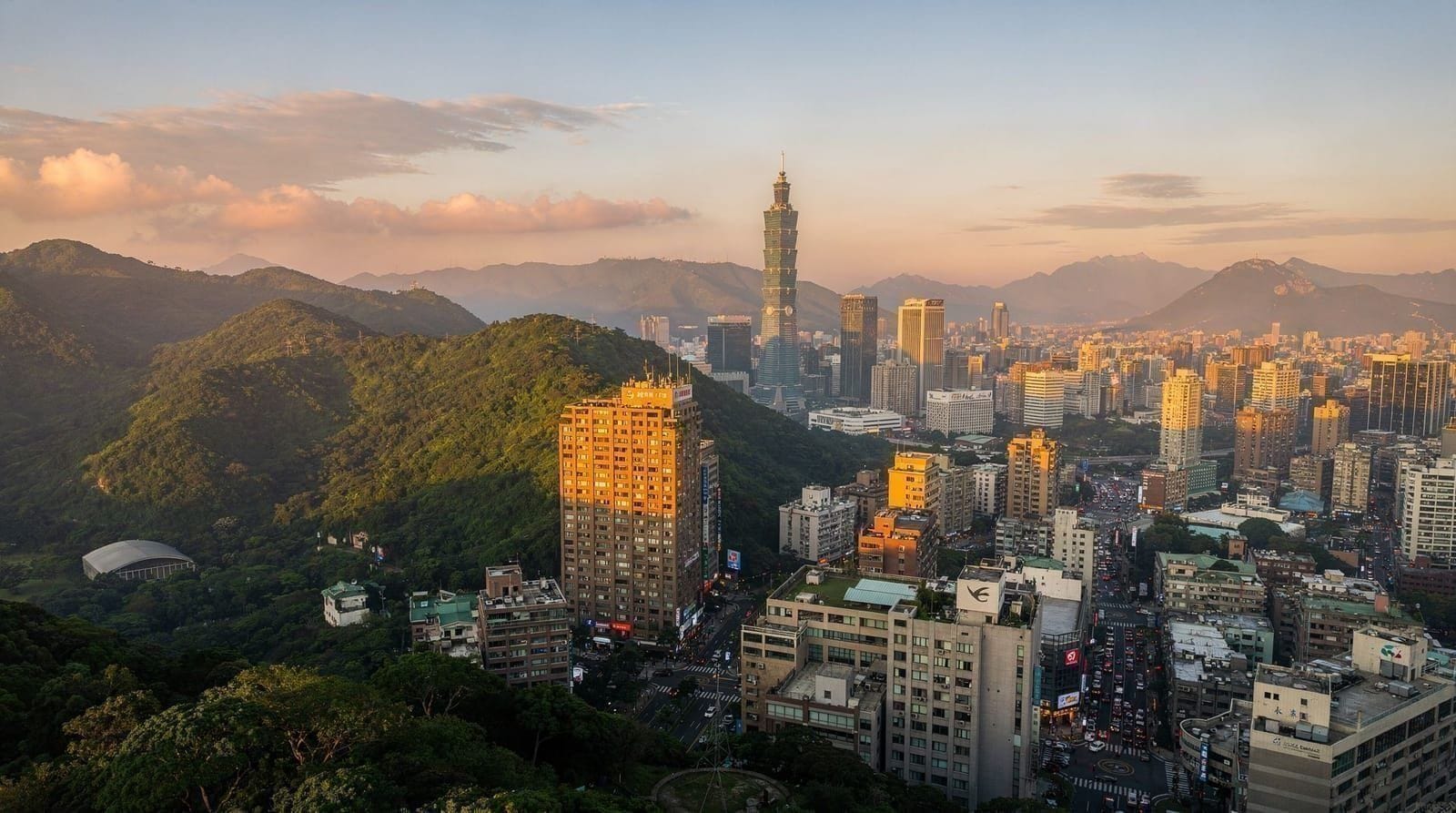
Red Line (Tamsui–Xinyi) runs north–south through the centre of the city. It serves Shilin (for the night market and National Palace Museum area), Jiantan, Zhongshan, Taipei Main Station, Chiang Kai-shek Memorial Hall (marked as CKS Memorial on some maps), and continues south to Xiangshan — the trailhead for Elephant Mountain, the viewpoint that gives you Taipei 101 framed by green hills. This is the line you will use most.
Blue Line (Bannan) runs east–west and is your main tool for temple visits, Ximending and the Xinyi business district. Key stops: Longshan Temple (for Wanhua), Ximen (for Ximending), Taipei Main Station, Zhongxiao Fuxing (the main shopping interchange) and Taipei City Hall, which puts you directly in Xinyi district for Taipei 101 and the surrounding restaurants.
Orange Line (Zhonghe–Xinlu) branches out from the Blue Line and covers the Songshan area. Transfer at Zhongxiao Xinsheng or Nangang Exhibition Center to reach the Songshan/Raohe neighbourhood for the night market.
Brown Line (Wenhu) is the elevated, driverless line — visually the most distinctive because trains run above street level on concrete viaducts. It connects east Taipei to the Neihu tech district and also serves Dahu Park, the transfer point for buses to the National Palace Museum. The Maokong Gondola departs from Taipei Zoo station, the southern terminus of the Brown Line.
Green Line (Songshan–Xindian) runs diagonally through the city from Songshan in the northeast to Xindian in the south. It serves Da’an, Guting and the junction at Xindian for buses toward Wulai waterfall and hot springs — a half-day trip from central Taipei.
Tip: Taipei Main Station is the central interchange. Almost every line passes through or connects to it within one stop, which makes it the default meeting point and the most logical place to orient yourself when you first arrive. If you get lost, ride back to Taipei Main and start again.
For a complete station-by-station guide, see the MRT guide and EasyCard guide.
Day 1: Temples, old streets and your first night market
Morning: Longshan Temple and Wanhua
Start at Longshan Temple in Wanhua — the most visited temple in Taipei and one of the most atmospheric in East Asia. Get there by 9am to beat tour groups. The MRT Blue Line stops directly at Longshan Temple station (exit 1). Entry is free.
From Longshan, walk north 10 minutes to Bopiliao Historic Block — a preserved Qing-dynasty street with stone arcades and temporary exhibitions, usually free. Then head toward Huaxi Street market (closed in the morning, but the surrounding lanes are active by mid-morning).
Afternoon: Ximending
Take the MRT one stop to Ximen. Ximending is a pedestrianised entertainment district with street fashion, Japanese-influenced food and an active arts scene. It gets busier after 4pm. This is a good place to try bubble tea from one of the major chains — Chun Shui Tang, Tiger Sugar, or 50 Lan — and compare. See the bubble tea guide.
Evening: Raohe Night Market
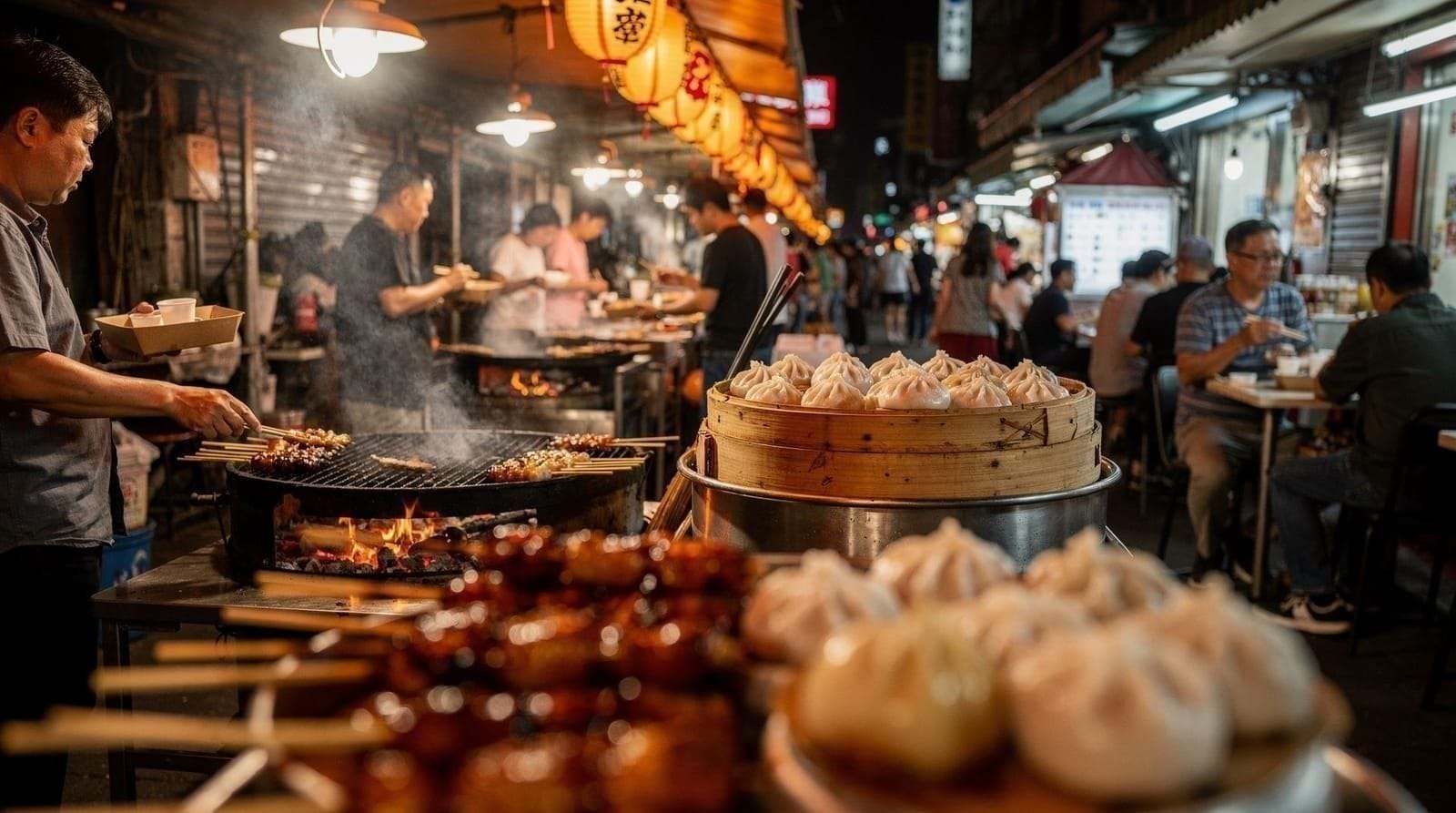
Take the MRT Blue Line to Songshan Station. Raohe Night Market starts filling up from 5pm, peak between 7–9pm. Recommended items: peppercorn pork bun from Fu Zhou Shi Zu Pepper Buns (queue, but worth it — TWD 60/€1.70), oyster vermicelli (TWD 60–80), stinky tofu if you’re brave. See the night market guide.
Your first breakfast in Taipei
Hotel breakfast in Taipei is almost always overpriced and worth skipping unless it is included. The real breakfast scene is on the street, and it starts early.
Traditional soy milk diner (永和豆漿 — Yong He Dou Jiang style): These are the classic Taiwanese breakfast shops, identifiable by the queue of locals outside and the warm fog of steam from the kitchen. Every neighbourhood has at least one. Order a scallion pancake (葱油餅 — TWD 30/€0.83), a cup of warm unsweetened soy milk (豆漿 — TWD 20/€0.55), and a sesame flatbread (燒餅 — TWD 25/€0.70). The meal costs under TWD 80 (€2.20) and is one of the best things you will eat in Taipei. Most open from 5am or 6am and close by noon. They are cash-only; point at what the person in front of you ordered if the menu is only in Mandarin.
7-Eleven or FamilyMart breakfast: Taiwan’s convenience stores are genuinely good and open 24 hours. An egg salad sandwich costs TWD 35 (€0.97), a pineapple cake TWD 25 (€0.70), and a can of coffee — either black or the ubiquitous BOSS canned coffee — TWD 25 (€0.70). Microwaved steamed buns and onigiri rice triangles are also available and freshly rotated throughout the morning. This is a perfectly acceptable breakfast and gives you a chance to stock up on snacks for the day.
The key point: do not default to hotel breakfast just because it is convenient. Walk five minutes in any direction from your hotel and you will find a local breakfast shop that is cheaper, more interesting and faster.
Day 2: Taipei 101 and Dadaocheng
Morning: Dadaocheng and Dihua Street
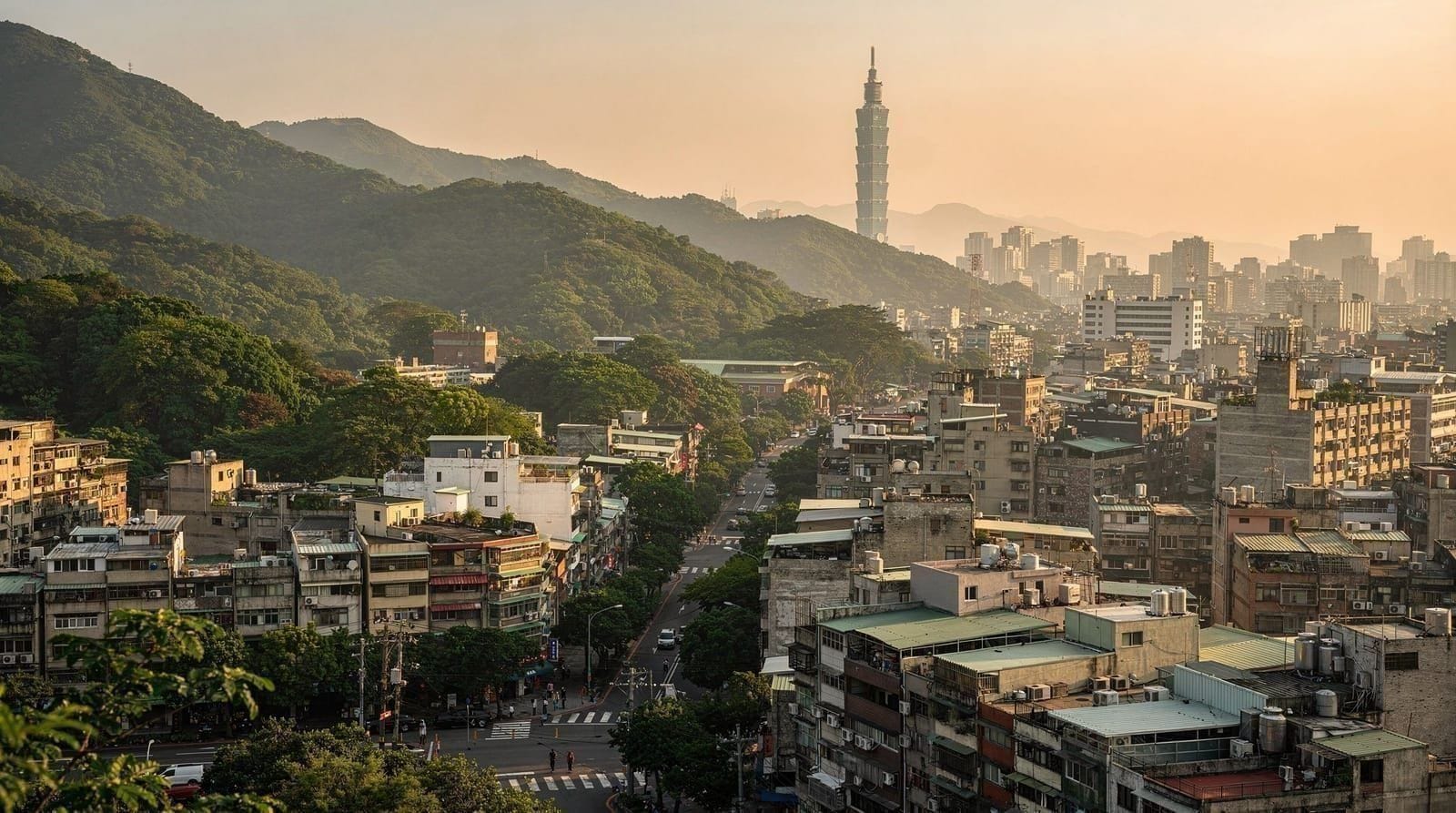
Dadaocheng is Taipei’s historic merchant quarter, built by Fujianese settlers in the 19th century. Dihua Street (Yongle fabric market area) is worth a 90-minute walk — the ground floor of the Yongle Market building is a wet market; upper floors sell fabrics and notions. The street itself has peddlers of dried goods, traditional medicine and century-old shopfronts. Go before noon when it’s quieter.
Afternoon: Taipei 101 and Xinyi
Buy your Taipei 101 observatory ticket online in advance — the indoor deck costs around TWD 600 (€16.70) and there are skip-the-line options for busy weekends. The best light is mid-afternoon (Taipei’s air quality is cleanest then). The mall beneath 101 has a Din Tai Fung — arrive at 10:30am or expect a 60-minute queue at lunchtime.
For a guide to getting the most from the museum visit next door (National Palace Museum requires a separate half-day), see National Palace Museum guide.
Guided tour combining Longshan Temple, Dihua Street and Taipei 101Day 3: Day trip to Jiufen and Shifen
This is the classic first-timer day trip and genuinely worth doing independently. The train is reliable, cheap and more flexible than a group tour.
Train from Taipei Main Station → Ruifang: Ziqiang express, ~35 minutes, TWD 50 (€1.40). Trains run frequently throughout the day. Buy at the station or via the TRA website.
Bus from Ruifang → Jiufen: Bus 788 or 965, about 15 minutes, TWD 15 (€0.42). Buy a ticket on the bus with EasyCard. Arrive in Jiufen before 11am to see it without tour group crowds.
Jiufen Old Street: 2–3 hours is ideal. Walk the steep alleys, stop at one of the historic teahouses with mountain views (Jiufen Teahouse, A-Mei Tea House — both touristy but the views justify it), eat taro balls from street stalls (TWD 50–70/€1.40–1.95). Afternoon light on the red lanterns is beautiful; evening is dramatically photogenic but very crowded.
Bus from Jiufen → Shifen: Bus 827 to Shifen waterfall and the sky lantern street. About 40 minutes.
Shifen: Release a sky lantern — vendors on the famous railway track street sell them for TWD 150–200 (€4.15–5.55). Watch the train that actually runs through the middle of the street (about every 30 minutes). Shifen Waterfall is a 20-minute walk from the village — Taiwan’s widest waterfall, worth the detour.
Train from Shifen → Taipei Main: About 1 hour, direct. Return by 8pm for dinner.
See how many days in Taipei for multi-day frameworks.
Day 4: Going deeper — Beitou or Zhongshan
By day four, you have covered the essential highlights. This day is about slowing down and seeing a side of Taipei that most first-timers miss entirely. Choose one of the two options below based on what you want from the day.
Option A: Beitou hot springs
Beitou is the easiest half-day trip from central Taipei and one of the most underrated. The journey is entirely on the MRT — take the Red Line north to Beitou station, then transfer to the short branch line for one more stop to Xinbeitou. The whole journey from Taipei Main Station takes about 25 minutes.
From Xinbeitou station, walk ten minutes uphill along the stream to reach the Thermal Valley (地熱谷 — Diyu Gu). The pool glows an eerie jade green from the sulfuric compounds in the water, and steam rises year-round. Entry is free; it opens Tuesday to Sunday 9am–5pm (closed Mondays). Do not enter the water — the temperature regularly exceeds 90°C.
From there, the choice of bath houses is genuinely varied. Millennium Hot Spring (千禧湯) is the most popular public option at TWD 40 (€1.10) for the shared pool — bring a swimsuit and a towel. Beitou Park Hot Spring costs TWD 60 (€1.70) and is set in a pleasant garden. For a private cabin with your own tub, hotels and spa facilities in the area charge TWD 400–800 (€11–22) per person for a one-hour session — book ahead on weekends.
On the walk between the valley and the bath houses, stop briefly at the Beitou Hot Spring Museum (a Japanese colonial-era bath house, now a free exhibition on the area’s history) and the Beitou Public Library — a small wooden building surrounded by trees that appears on lists of beautiful libraries worldwide. It takes five minutes to walk around and is worth the detour for the building alone.
Option B: Zhongshan and Ningxia Night Market
Zhongshan district rewards slow walking in a way that few tourist-heavy areas do. From Zhongshan MRT station (Red Line), walk south along Lin Sen North Road. The streetscape here reflects Taipei’s Japanese colonial period (1895–1945) — low-rise buildings with covered arcades, some original wooden shopfronts, and a quieter pace than the commercial districts further south.
The Zhongshan Underground Mall connects the MRT stations in the area through a pedestrian tunnel with shops and cafes — useful on rainy days, and a good place to watch how Taipei residents actually move through the city. The tunnel runs from Taipei Main Station through Zhongshan to Shuanglian without emerging above ground.
In the evening, head to Ningxia Night Market — smaller, less tourist-adapted and more local in atmosphere than either Shilin or Raohe. The peanut ice cream roll (花生捲冰淇淋 — TWD 40/€1.10) is a Taiwanese classic: shaved peanut brittle and optional cilantro wrapped around a scoop of ice cream in a paper-thin rice crepe. Braised pork rice (滷肉飯 — TWD 50/€1.40) from the stalls here is considered among the best in the city.
For more on Beitou, see the Beitou hot springs guide. For a neighbourhood-by-neighbourhood breakdown, see the Taipei neighborhoods guide.
Common first-timer mistakes
Going to Shilin Night Market first
Shilin is fine, but it is Taipei’s most tourist-adapted night market. The prices are higher, the crowds are heavier, and the food quality is more variable than Raohe or Ningxia. If you have one night market on your list, make it Raohe. If you have two evenings, then go to Shilin — it has scale and energy that is worth experiencing once.
Rushing the Taipei 101 visit
Many travelers spend 45 minutes at the observatory and leave. The Xinyi district surrounding the tower has the best restaurant density in Taipei — treat the area as a half-day destination, not just a tower. The Sky Deck (outdoor at 460m) requires separate tickets; book these in advance if you want the full experience.
Taking a taxi to the airport
Taxis from central Taipei to Taoyuan Airport cost TWD 1,000–1,400 (€28–39) depending on traffic and metering. The Airport MRT costs TWD 160 (€4.50) and takes the same 35–37 minutes outside rush hour. Only take a taxi if you have heavy luggage and are sharing the cost.
Skipping Beitou
Most first-timers skip Beitou hot springs because they think it requires a long journey or special planning. It is 20 minutes from Xinbeitou MRT station (Red Line, no transfer needed from central Taipei). The Thermal Valley (Diyu Gu — green-tinged sulfuric pool) is free to view; public bath houses charge TWD 150–600 (€4.15–16.70) for a private soak. It’s one of the easiest half-days in Taipei.
Classic Taipei landmarks day tour — efficient city overview for first timersCheck availabilityPractical logistics
Where to stay
Zhongshan and Zhongzheng districts offer the best combination of MRT access, food options and price. Da’an district is quieter and more residential — good for mid-range hotels with less street noise. Avoid Ximending hotels if you want to sleep before midnight. See where to stay in Taipei.
Mobile data
eSIMs (Airalo, Holafly) are the simplest option — activate before departure, works from the moment you land. Google Maps works well throughout Taipei and most day-trip routes.
Tipping
Not expected and not customary in Taiwan. Some upscale restaurants add a 10% service charge automatically (check the menu). Night market vendors, taxi drivers and convenience store staff do not expect tips.
Medical
Taipei has excellent hospitals (National Taiwan University Hospital, Taipei Veterans General) with English-speaking staff. Over-the-counter medication is available at pharmacies (look for the green cross). Travel insurance is advisable — not because Taiwan is risky, but because any unexpected hospitalization would be costly.
Private Taipei food tour with 10 tastings — efficient introduction to the street food sceneCheck availabilityWhat to know about temples before you visit
Taipei’s temples are active places of worship, not heritage museums. People visit daily to pray, light incense, consult fortune sticks and make offerings. Knowing a few basics means you participate respectfully rather than observing from a distance.
Incense etiquette: At temples where incense is provided or sold, hold three sticks in both hands and bow briefly facing each of the four cardinal directions — start facing the main altar and work clockwise. Use the side gates to enter and exit, not the central door, which is reserved for deities. When you are finished, place the sticks upright in the large incense burner in the courtyard. If incense smoke bothers you, it is fine to skip this step — it is an offering, not a requirement for visitors.
Fortune sticks (筊杯 — Jiao bei and 籤詩 — Qian shi): The process involves two crescent-shaped wooden blocks (jiao bei) and a cylinder of numbered bamboo sticks (qian). Kneel at the altar, state your name, birthdate and question, then shake the cylinder until one stick falls. Bring the stick number to the fortune-teller booth — usually staffed by a volunteer — and they will interpret the corresponding poem. Most booths at major temples have bilingual fortune sheets available.
Best times to visit: Early morning (8–10am) is ideal — the incense smoke is fresh, worshippers are present, and tour groups have not yet arrived. Late afternoon light catches the red lanterns and glazed roof tiles beautifully, especially at Longshan. Avoid major festival dates (Lantern Festival, Dragon Boat Festival, Ghost Month) unless you specifically want to experience the crowds — they are intense.
Which temple for what: Longshan Temple has the most elaborate multi-deity setup in Taipei — dozens of deities across the main hall and two side wings covering everything from health to marriage. Xingtian Temple in Zhongshan is the businessmen’s temple, dedicated to Guan Di (the god of commerce and brotherhood) — it is one of the most visited temples in Taiwan by locals and has almost no foreign tourists.
Bao’an Temple in Datong has the finest incense tower courtyard in the city and elaborate painted gate guardians. Confucius Temple, a short walk from Bao’an, has a deliberately spare interior — Confucian philosophy doesn’t permit idol worship — and a scholar’s garden that is unusually quiet in the middle of the city.
For a full guide to the temple circuit, see best temples in Taipei.
Navigating language
Mandarin is the primary language, with Taiwanese Hokkien spoken widely at markets and among older residents. English is not as prevalent in Taipei as in some Southeast Asian capitals, but navigation is straightforward with a few strategies.
Google Translate camera mode is the most practical tool for menus. Open the app, point the camera at a menu or sign, and it overlays a live translation. It handles simplified and traditional Chinese well, though it sometimes struggles with handwritten signs or regional food names. Download the Mandarin offline language pack before your trip so it works without mobile data.
MRT signage is fully bilingual — every station name, every exit number, every line direction appears in both Mandarin and English. The recorded announcements on trains are in Mandarin, Hokkien, English and Hakka. You will not have difficulty navigating the subway system.
Taxis: Taipei taxi drivers are generally reliable and use meters without prompting. If a driver does not speak English, showing your destination written on your phone screen (in Mandarin, via Google Translate or a Maps screenshot with the Chinese name visible) works without any spoken exchange. The large navigation screens most drivers use also show addresses clearly.
Night markets require no language at all — point at what you want, hold up fingers for quantity, and pay what is shown on the price board or displayed on a calculator screen. Many vendors use calculators to show prices to foreign customers as a matter of routine.
Three words that help: Xie xie (謝謝 — “thank you,” pronounced shyeh-shyeh) goes a long way and is appreciated everywhere. Ni hao (你好 — “hello,” nee-how) is the standard greeting. Duo shao qian (多少錢 — “how much does it cost?,” dwo-shao-chyen) is useful at markets where prices are not posted.
What to do if it rains
Taipei’s rainfall is concentrated in May through September — typhoon season peaks in August and September, and the spring months bring persistent drizzle from northeast monsoon fronts. A full rainy day is not unusual at any time of year. These options keep the day productive without requiring waterproofs.
National Palace Museum (故宮博物院): One of the world’s major museums, housing artifacts from the imperial Chinese collection relocated to Taiwan in 1949. A serious visit takes 3–4 hours; a focused one covering the jade cabbage, ivory carving and Song dynasty ceramics takes 90 minutes. Take the MRT Brown Line to Dahu Park station, then bus 255 or 304 to the museum entrance. Admission is TWD 350 (€9.75); audio guides in English are available. Closed Mondays.
Eslite Spectrum Songyan (誠品生活松菸): A 24-hour bookshop and creative space in the Songyan Cultural and Creative Park (Xinyi district, MRT Xinyi Anhe station). The building combines independent design brands, a food hall, performance space and several floors of books including a decent English-language section. The surrounding park buildings — a former tobacco factory — are worth a look even in the rain.
Huashan 1914 Creative Park (華山1914文化創意產業園區): A former winery converted into a covered market and exhibition complex. Entry is free; the interior brick warehouses shelter craft stalls, popup exhibitions and small cafes. MRT Zhongxiao Xinsheng station, five-minute walk. Events and temporary exhibitions change monthly — check the schedule before going.
Underground walking from Taipei Main Station to Zhongshan: The pedestrian tunnels beneath central Taipei connect Taipei Main Station through Zhongshan to Shuanglian entirely underground, passing through the Zhongshan Underground Mall. The tunnel has shops, cafes, book stalls and dry shelter for the full journey. It is free, surprisingly spacious and an efficient way to observe how the city moves on a working day.
Chiang Kai-shek Memorial Hall (中正紀念堂): The main exhibition building holds rotating free exhibitions on Taiwanese history, culture and art. The changing of the guard ceremony on the hour is worth watching regardless of weather — it takes place in the covered entry of the main hall. MRT CKS Memorial Hall station, Blue Line. The outdoor plaza and gardens are less appealing in heavy rain, but the building itself is fully covered. See Zhongzheng district guide for more in the area.
What to eat on your first trip
| Dish | Where to find it | Cost |
|---|---|---|
| Xiaolongbao (soup dumplings) | Din Tai Fung (any branch) | TWD 250–350 for 10 pieces (~€7–10) |
| Peppercorn pork bun | Raohe Night Market, first stall | TWD 60 (~€1.70) |
| Oyster vermicelli | Raohe Night Market | TWD 60–80 (~€1.70–2.20) |
| Beef noodle soup | Yong Kang Beef Noodle, Da’an | TWD 200–280 (~€5.55–7.80) |
| Bubble tea | Chain or local shop, everywhere | TWD 50–80 (~€1.40–2.20) |
| Taro balls | Jiufen street vendors | TWD 50–70 (~€1.40–1.95) |
| Scallion pancake | Breakfast diners, widespread | TWD 25–40 (~€0.70–1.10) |
For the full guide to street food, see best street food in Taipei.
Frequently asked questions about Taipei first-timer
Do I need cash in Taipei?
What is an EasyCard and do I need one?
Is Taipei safe for solo travelers?
What should I wear visiting temples in Taipei?
How do I get from Taoyuan Airport to Taipei?
Should I buy a Taiwan SIM card or use an eSIM?
Top experiences
Bookable activities with verified prices and instant confirmation on GetYourGuide.