Shilin vs. Raohe night market — which one should you visit?
Taipei: 2 hour Raohe night market fooddie tour
Duration: 2 hours
Should I go to Shilin or Raohe Night Market?
Raohe for food quality and local atmosphere; Shilin for scale and variety. If you only have one evening, Raohe is the better choice — it is compact, MRT-direct, and the food is consistently good. Shilin is worth visiting if you want the experience of Taipei's biggest market and have already been to a smaller one first.
| Where | Raohe: Songshan district. Shilin: near Jiantan MRT, northern Taipei |
| Cost | Around NT$50–100 per dish at either market |
| Time needed | 45–90 minutes for one market; 2–3 hours for both |
| Getting there | Raohe: Songshan MRT. Shilin: Jiantan MRT (not Shilin Station) |
| Best time | 6–9pm; weekday evenings are calmer at both |
The direct comparison
| Factor | Raohe | Shilin |
|---|---|---|
| Size | 600m single street | Multiple city blocks, 1,000+ vendors |
| Crowd type | Mixed local/tourist | Heavily tourist-oriented |
| Food prices | TWD 50–100 typical | TWD 70–150 typical, basement higher |
| Food quality | Consistently good | Variable |
| Navigation | Very easy | Can be confusing |
| MRT access | Songshan Station (Green Line) | Jiantan Station (Red Line) |
| Best time to visit | 6–9pm weekdays | 7–10pm any night |
| Atmosphere | Authentic, neighborhood | Busy, festive, commercialized |
How these two markets got where they are
Taipei’s night market culture goes back to the Japanese colonial period, when street vendors gathered around temple forecourts and busy intersections to feed factory workers and market-goers who needed a cheap meal after dark. The practice accelerated after 1949, when large numbers of mainland Chinese migrants arrived with their own regional food traditions, layering new flavors onto the existing Taiwanese street food base.
Raohe Night Market was formally established in 1987 on a stretch of road in the Songshan district that had already seen decades of informal vending near Ciyou Temple. It was deliberately designed as a pedestrianized street market — bounded, structured, and connected to the temple’s ceremonial entrance. That design decision has kept it from sprawling. The 600m corridor is today almost identical in footprint to what it was thirty years ago.
Shilin has a more complicated history. The original Shilin Market dates to the early 20th century and was a general wholesale and retail market serving the northern residential neighborhoods. The night market portion developed around this daytime market after World War II and grew organically through the 1960s and 1970s.
By the 1990s it was the most visited night market in Taipei and had attracted increasing numbers of Japanese and later Western tourists following the rise of Taiwan’s travel profile. The city government rebuilt the Shilin Market building in 2011, relocating the food vendors underground into the current basement food hall — a move that concentrated tourists in one highly legible but atmosphere-poor space, while the outdoor stalls continued operating in the surrounding streets.
The result today: Raohe was shaped to stay coherent; Shilin grew and was then partially domesticated in a way that divided its character. Both are worth understanding on those terms, rather than as a simple better/worse binary.
Raohe Night Market in detail
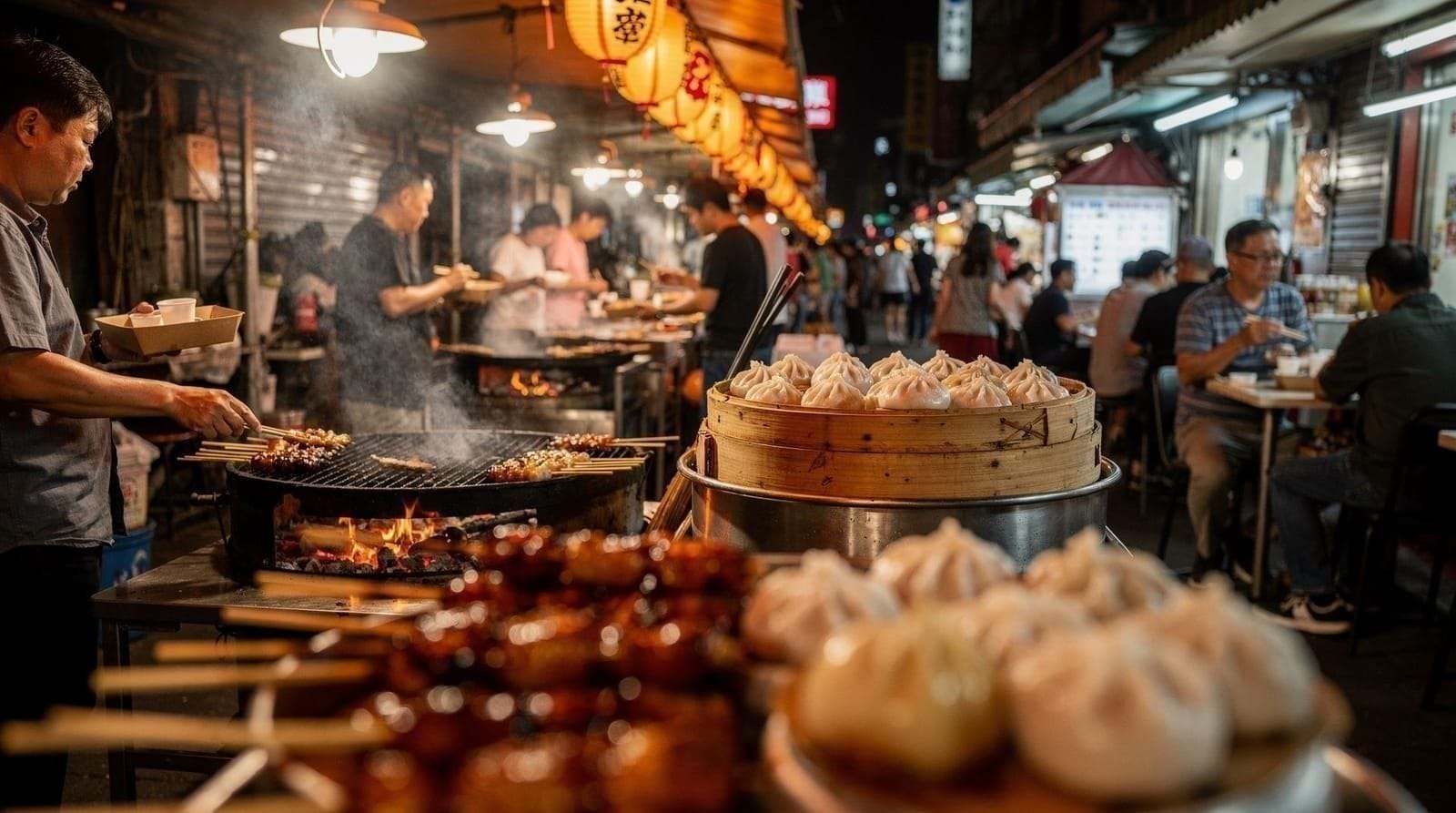
Raohe runs along a single street in the Songshan district. You enter through Ciyou Temple (a Mazu shrine that worshippers actively use — take a moment to watch the ritual before entering the market). The temple gate frames the market entrance, which is one of the more photographically satisfying approaches to any market in Taipei.
The food:
The peppercorn pork bun stall (no English name — look for the coal-fired cylindrical oven just inside the temple gate) is not secret, but it remains the single best thing at this market. The buns are baked in the oven for about 8 minutes; you will see them through the mesh. TWD 60 (€1.70) each. The filling is minced pork with green onion and black pepper — dense, juicy, and nothing like the steamed bao at other stalls.
Oyster vermicelli (蚵仔麵線) at the midpoint of the market is the benchmark version — thick sweet potato starch noodles in a thickened oyster broth with intestine. TWD 60–70 for a bowl. Multiple vendors sell this dish; the best ones have the most consistent queue of locals.
Herbal medicine egg stalls sell slow-cooked eggs steeped in spiced broth for TWD 20–30 each — the kind of thing you buy on impulse and regret not getting more of.
What Raohe lacks: Very large selection of clothing and accessories (Shilin has more shopping variety). It is primarily a food market.
2-hour Raohe Night Market guided food tour with tastingsA stall-by-stall walkthrough of Raohe
Walking from the Ciyou Temple gate heading east toward Bade Road, here is roughly what you encounter at each stage.
First 150m — temple gate zone: The peppercorn pork bun oven is immediately on your right after passing through the gate. It is almost always busy. The vendor uses a long hook to pull buns from the oven wall and hand them over in a paper bag — they are extremely hot and should be handled carefully. Behind the bun stall, the first cross-alley has two small shops selling traditional herbal teas (青草茶, qīngcǎo chá) at TWD 20–30 — slightly bitter, ice cold, drunk as a digestive.
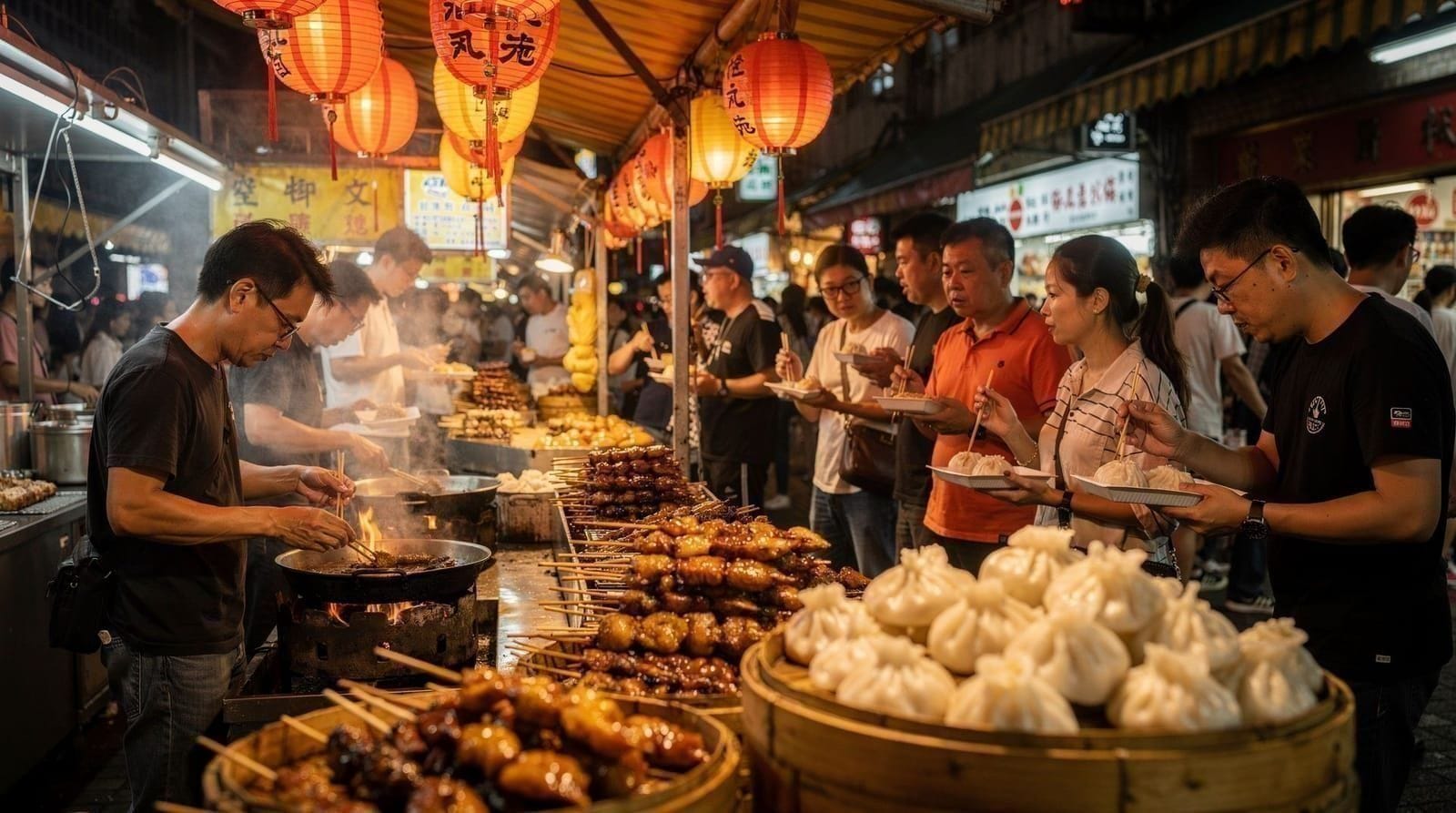
Middle 300m — the core food section: This stretch has the highest density of eating stalls. Highlights in order: grilled corn slathered in butter and salt sauce, sweet potato balls (TWD 40–50 for a bag, hollow and chewy), stinky tofu fried at high heat with a fermented smell that travels 10 meters in either direction. The oyster vermicelli stalls cluster in this section — most have plastic stools and folding tables set back slightly from the main flow. If there are no stools in use at a stall and the vendor is a single person, it is usually a sign the stall is slower that night; move to the one with occupied tables.
Final 150m approaching Bade Road: The market density thins. More clothing accessories, phone cases, carnival-style games aimed at families. One notable exception is the chou doufu (stinky tofu) stall on the right side near the end — this version is braised rather than fried and served with pickled vegetables; TWD 50–60 and quite different from the fried version earlier in the market. At the Bade Road end, there is no gate or landmark — simply cross back and return through the other side if you missed anything.
The total walk from gate to end, stopping nowhere, takes about 10 minutes. With stops and eating, budget 45–90 minutes.
A stall-by-stall walkthrough of Shilin
Shilin rewards a different kind of navigation. Coming from Jiantan Station exit 1, you are immediately in the outdoor market zone on Jihe Road before you reach the main building. This is actually the best entry approach because you see the more local-facing stalls first.
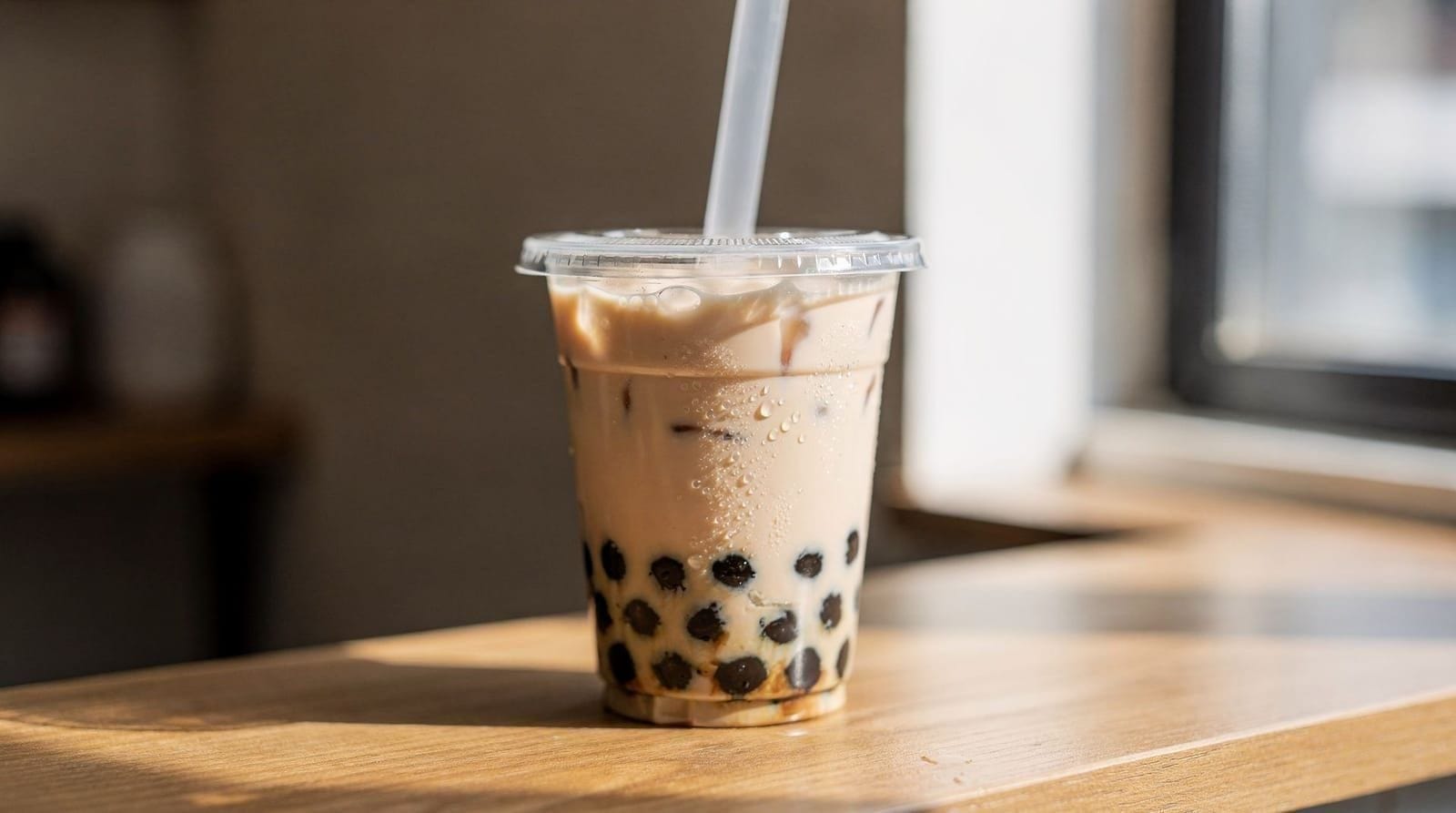
Jihe Road approach: Clothing stalls, K-pop merchandise, printed T-shirts, grilled meats on sticks at TWD 40–80. A small cluster of fruit stalls here sells fresh-cut mango, papaya and starfruit in plastic cups at TWD 50–80. Worth eating here rather than farther in where prices rise. Bubble tea stands are plentiful; most are mid-range chains at TWD 50–70.
Dadong Road — the food spine: This road, running east of the main market building, has the best outdoor food at Shilin. The Ay-Chung Flour Rice Noodle stand is permanently positioned here and is genuinely excellent — the queue is part of the experience. The fried chicken steak vendors on this street are significantly better than the versions inside. There are also two competing oyster omelette stalls directly across from each other; both are good at TWD 80–90 per serve. This is also where you find the grilled corn stalls closest to the station.
Inside the Shilin Market Building — the basement: Descend via the escalators on the south side of the building. The hall is large, well-lit, and efficiently organized with numbered stalls. Prices are posted clearly — which is transparent, but those prices are consistently 30–50% above street equivalents. The advantage is air conditioning (valuable in summer), seating, and the ability to point at menu photos. If you have someone in your group with limited mobility or who needs to sit down with food, this is actually the easiest solution. Otherwise, the street stalls give better value and atmosphere.
Western perimeter — games and novelties: Shooting galleries, claw machines, phone accessories, temporary tattoos. These operate well past midnight on weekends and are primarily aimed at teenage and young adult locals. This section feels most like a traditional amusement fair and least like a food market.
The Shilin district beyond the night market
If you are spending a half-day or a full evening in Shilin, there is more to the district than the market alone.
Jiantan Temple sits directly at the MRT exit, a working temple with a small courtyard. It is regularly bypassed by visitors rushing past to the market, but it is worth a five-minute stop to orient yourself and see a functioning neighborhood temple before the crowds hit.
Shilin Official Residence (士林官邸) is roughly 1km south of the night market and is one of the most visited historical sites in northern Taipei. It was Chiang Kai-shek’s private residence from 1950 until his death in 1975. The gardens are open daily and include a Western-style mansion exterior, formal Japanese garden sections, and a rose garden that draws large crowds from March to May during peak bloom. Admission is free for the grounds; the interior of the main building has a separate ticket at TWD 100 (€2.80). If you visit Shilin for the night market on a Sunday, the residence opens at 9am and is a manageable morning stop before prices and crowds peak in the evening.
Zhishan Cultural and Ecological Garden is a quieter option further into the Shilin hills, with small trails, a traditional garden, and a creek walk. Primarily visited by Taipei residents on weekend mornings. If you are combining Shilin with a walk, this adds about two hours without significant additional travel.
The Shilin area connects naturally toward Yangmingshan to the north — if you want to add hiking to your itinerary, see the Yangmingshan hiking guide for the trails most accessible from Shilin via the Red 5 bus.
The Songshan neighborhood around Raohe
Raohe’s surrounding neighborhood — Songshan district — is worth understanding if you are basing yourself in the area or have a full day to spend on the east side of Taipei.
The district takes its name from Songshan Station, which sits at the intersection of the Green Line (BL7) and Brown Line (BR12). From here, the old commercial fabric of Taipei’s mid-20th century residential expansion is still visible in the street grid east of the market — older apartment blocks, traditional breakfast shops open from 6am, small hardware and fabric merchants that predate the night market by decades.
Wufenpu Clothing Market is about 10 minutes’ walk south of Raohe, near Houshanpi Station. It is a wholesale-to-retail clothing district where Taipei’s fashion vendors source their stock. Individual pieces sell from TWD 100–400 (€2.80–11). It operates best during daytime hours and is dead at night, so pair it with a daytime visit followed by the evening market. Practical for anyone who wants to buy clothing at local prices rather than tourist-inflated prices at Shilin.
Linsen North Road and the Zhongshan corridor are accessible from Songshan with a few MRT stops — if your accommodation is in Zhongshan or Datong, Raohe is easy to access in the evening without crossing the city. This matters when planning your Taipei itinerary around which neighborhoods you are staying in.
Weather and seasonal considerations
Taiwan’s climate significantly affects night market visits, in ways that guidebooks understate.
Summer (June–September): Temperatures at night routinely sit at 28–32°C with high humidity. Eating fried food and walking in a crowd at 30°C is uncomfortable but manageable if you hydrate. Both markets benefit here: outdoor grills and cooking fires feel less oppressive when you accept that everyone around you is in the same condition. The basement at Shilin becomes particularly appealing in extreme heat for its air conditioning — perhaps the most legitimate reason to visit it.
Typhoon season runs July through September. Major typhoons typically result in market closures for 1–2 days around the storm. Minor ones (which are more common) may pass without any closure. Check weather forecasts 48 hours before your planned visit if traveling in high summer. The Taipei government posts typhoon day alerts and most markets follow official guidelines. For up-to-date planning around weather, see best time to visit Taipei.
Spring (March–May): The most comfortable season for night market visits. Temperatures are in the low-to-mid 20s°C by evening. Rain is more frequent than summer but typically lighter. Outdoor stalls cope with light rain using awnings, so most evenings proceed normally unless there is heavy rainfall.
Winter (November–February): Evenings can drop to 10–15°C in January and February, which is mild by European standards but cold enough to change how you eat. Hot soups, stewed dishes, and hot-pot items become the focus. Shilin’s underground food hall is actively pleasant in winter. Raohe’s open street is chilly if the wind picks up, but the hot foods compensate. Crowds are smaller than summer and the experience is often more pleasant for it.
Public holidays: Both markets run 365 days, but Chinese New Year (January–February) brings several days of partial or full closure as vendors take the holiday. Golden Week around the October 10th National Day produces the highest crowd volumes of the year at Shilin. If you want to experience what Shilin looks like at absolute maximum capacity, visit on a National Day weekend evening — it is either impressive or overwhelming depending on your tolerance for crowds.
Ordering without Chinese
The practical reality at both markets is that very little English is spoken at most food stalls. This is less of a barrier than it sounds.
Pointing works everywhere. Point at the item on the menu board or in the display case, hold up fingers for quantity, and hand over money. Vendors at both Raohe and Shilin are accustomed to this interaction and handle it quickly. The social contract is efficient: you point, they prepare, you pay and move on.
Photos on your phone are effective when choosing between options. Show the vendor a photo of what you want and they will either confirm or gesture toward the version they have. Google Images search for the dish name works better than you might expect.
Translation apps: Google Translate’s camera mode is useful for static menus. It handles traditional Chinese characters (which Taiwan uses, not simplified) reasonably well. It is slower than pointing and should be used for price clarification rather than as your primary ordering strategy.
Prices: Most stalls have prices displayed. If not, the price is usually given by holding up fingers or writing on a piece of paper. Overcharging tourists is not common at either market — it does happen occasionally, but less than in markets in many other countries. If a price seems high compared to neighboring stalls, simply pay and note it; arguing rarely helps and the differences are usually small.
Allergies and dietary requirements: This is genuinely difficult at night markets. Vegetarianism is increasingly catered for at dedicated vegetarian stalls, which exist at both markets, but are minority stalls. Cross-contamination is essentially unavoidable. Shellfish, pork, and wheat are present in most dishes. Carry a written card in traditional Chinese explaining specific dietary needs if they are severe — it communicates more reliably than phone apps in a loud, fast-moving stall environment.
For a deeper look at what to eat and how to approach Taipei’s food scene generally, see best street food in Taipei and the Taipei bubble tea guide.
Families with children
Both markets work well with children, but with different practical considerations.
Raohe with kids: The 600m linear layout makes it easy to keep a group together. There are no abrupt turns or hidden sections where a child can wander out of sight. The peppercorn pork buns are popular with children who like savory things, though they are very hot — give them a few minutes to cool. The herbal eggs are unfamiliar enough to be interesting to older children. One stall near the mid-market section typically sells tang hulu (candied hawthorn on a stick) at TWD 40–60, which works well as a hand-held sweet for children while walking. Seating is limited and informal; expect to eat standing or find a ledge.
Shilin with kids: The outdoor sections offer more activity and variety, including games stalls and carnival diversions that hold children’s attention beyond food. The basement food hall has more seating, which is useful if you have small children who cannot comfortably stand and eat. The crowds on weekend evenings are denser than Raohe, which means more physical pushing-past in tight passages — this is manageable with older children and more challenging with strollers or very young children.
Strollers: Raohe is navigable with a compact umbrella stroller, though it requires careful maneuvering in peak crowds. Shilin’s outdoor sections are navigable with similar effort; the basement has escalators and is flat. Neither market is ideal with a full-sized pram.
For a complete overview of managing Taipei visits with children, the Taipei with kids guide covers logistics, neighborhood choices, and kid-friendly attractions across the city.
How night markets fit into a broader Taipei trip
A night market visit occupies an evening, not a day. The most efficient use of your time is to plan a full day in a given district and end it with the local night market as dinner.
If you are staying in or around Xinyi or Songshan, Raohe is a natural evening endpoint — 10–15 minutes from most hotels in that area by MRT or taxi. Read about the area in the Xinyi district guide.
If you are based in northern Taipei or Tianmu, Shilin is the logical choice — it is the closest major night market and the starting point of the Red Line corridor connecting to central Taipei.
If your itinerary focuses on Ximending or Wanhua, neither Raohe nor Shilin is particularly close. In that case, the Huaxi Street Market (Taipei’s original “snake alley” night market, now heavily tourist-oriented but historically significant) or Guang Hua market are closer. Ningxia, near Zhongshan, is the best food-focused alternative — see the full Taipei night markets guide.
Night markets should not be your primary reason for visiting Taipei, but they are an excellent lens through which to understand the city’s food culture. The Taipei first-timer guide covers how to structure a trip that uses night markets as one component alongside temples, museums, and day trips. For a tighter look at how long you actually need, see how many days in Taipei.
Budget-conscious travelers should note that eating at night markets is one of the most cost-effective ways to eat well in Taipei — the Taipei on a budget guide has the full breakdown of where night market spending fits into daily cost estimates.
Who should go where
Go to Raohe if:
- This is your first night market in Taipei
- You care primarily about food quality
- You want a manageable, navigable experience
- You are visiting on a weeknight and want a genuine local scene
Go to Shilin if:
- You want to experience the largest and most famous market
- You have already been to a smaller market and want the contrast
- You are visiting with people who want both food and shopping/entertainment
- You are going with a tour group (most tours visit Shilin)
Go to both if: You have two or more free evenings and want a real comparison. Route: Raohe 6–8pm → MRT to Jiantan → Shilin 8:30–10:30pm. This works well because the pace shifts: you start focused at Raohe, then cruise Shilin more casually with some remaining appetite.
Alternative option: Ningxia
If both Raohe and Shilin feel too crowded, Ningxia Night Market (near Zhongshan Station, Red Line) is worth knowing about. It is smaller than either, primarily local, and has some of the best traditional Taiwanese dishes in Taipei. Full details in the complete night market guide.
Night market street food tour — explores stalls beyond the obvious tourist circuitCheck availabilityPractical details
Raohe:
- MRT: Songshan Station, Green Line (also Brown Line), exit 5. Walk 3 minutes to Ciyou Temple gate.
- Nearest night market to: Songshan, Xinyi districts
- Parking: limited, not recommended
Shilin:
- MRT: Jiantan Station, Red Line, exit 1. Not Shilin Station.
- Nearest night market to: Shilin, Tianmu districts, northern Taipei
- Bus: Multiple routes stop near the market
Both markets are open 365 days. Public holidays (Chinese New Year, National Day) see significantly heavier crowds at both.
For the full street food picture in Taipei, see best street food in Taipei and the Din Tai Fung guide.
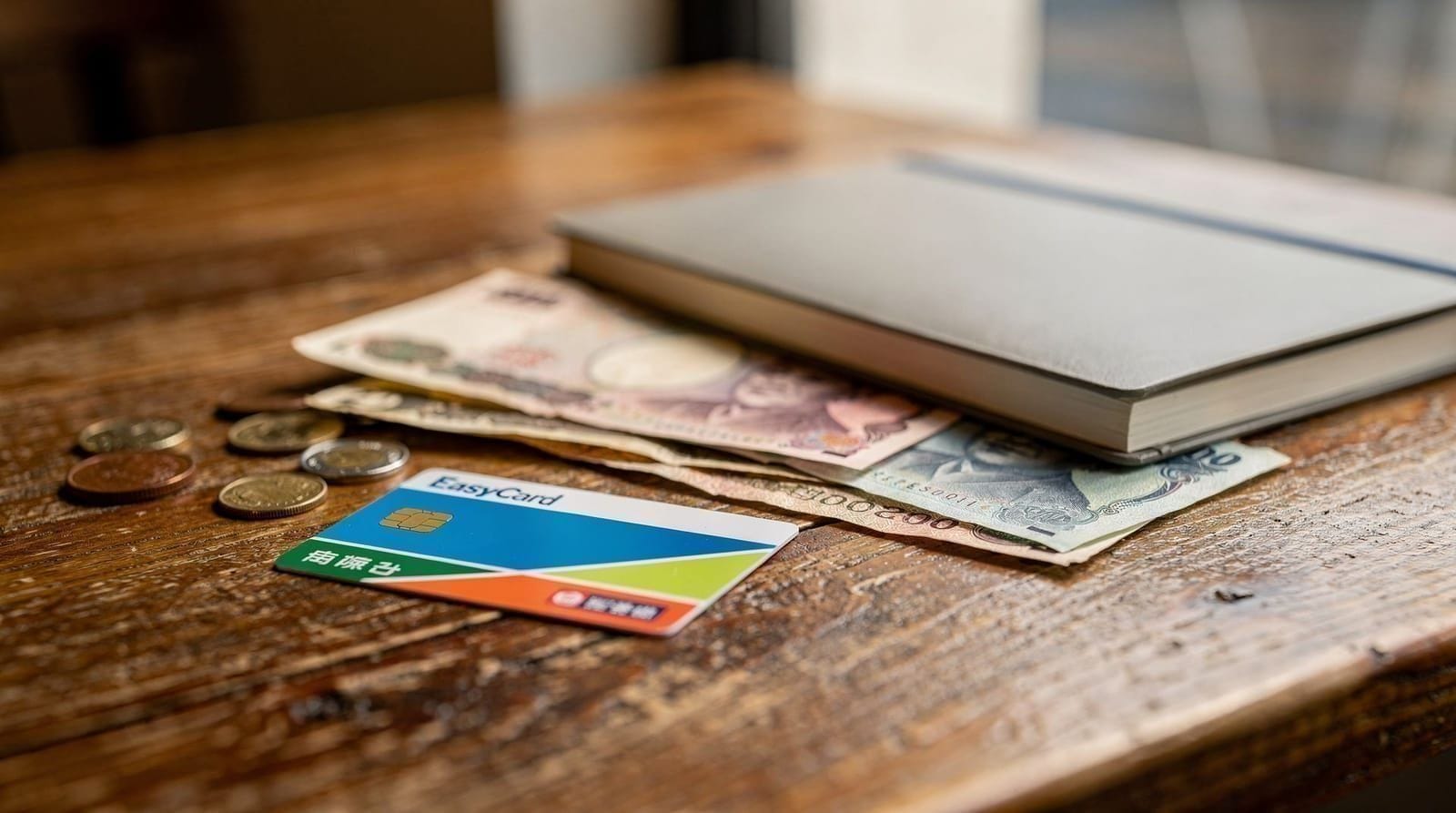
If you are using the MRT to reach either market, the Taipei MRT guide and EasyCard guide cover ticketing and the card system in detail — both are essential reading before your first day in the city.
Private night market tour — flexible, customizable, good for comparing multiple marketsCheck availabilityFrequently asked questions about Shilin vs. Raohe night market — which one should you visit?
Is Raohe or Shilin more authentic?
How big are Shilin and Raohe compared?
Are prices higher at Shilin?
Which night market has better food?
Can I visit both Shilin and Raohe in one evening?
Top experiences
Bookable activities with verified prices and instant confirmation on GetYourGuide.