Taipei bubble tea guide — where to drink it and what to order
Taipei: S origin Longshan temple Taiwan cultural tour
Where should I drink bubble tea in Taipei?
For classic milk tea with pearls, Chun Shui Tang (the originator) or Tiger Sugar for the brown sugar version. For cheaper daily drinking, 50 Lan or Comebuy offer consistent quality at TWD 50–75. Skip the tourist-targeted shops in Ximending that charge TWD 120+ for drinks available everywhere else for half the price.
Bubble tea in Taiwan: a brief history worth knowing
Bubble tea (珍珠奶茶, zhenzhu naicha — “pearl milk tea”) was invented in Taiwan in the 1980s. The most credible origin story credits Liu Han-Chieh and his product manager Lin Hsiu-Hui at Chun Shui Tang (春水堂) in Taichung, who added tapioca pearls to a cold milk tea drink in 1986. The concept spread through Taiwan before becoming a global phenomenon.
This matters for your visit because Taiwan’s bubble tea is categorically different from what is sold in export markets — the tapioca pearls are fresher (made in-house at good shops, with a chewiness that imported versions rarely match), the tea base is more complex, and the price is a fraction of what London or New York charge for equivalent quality.
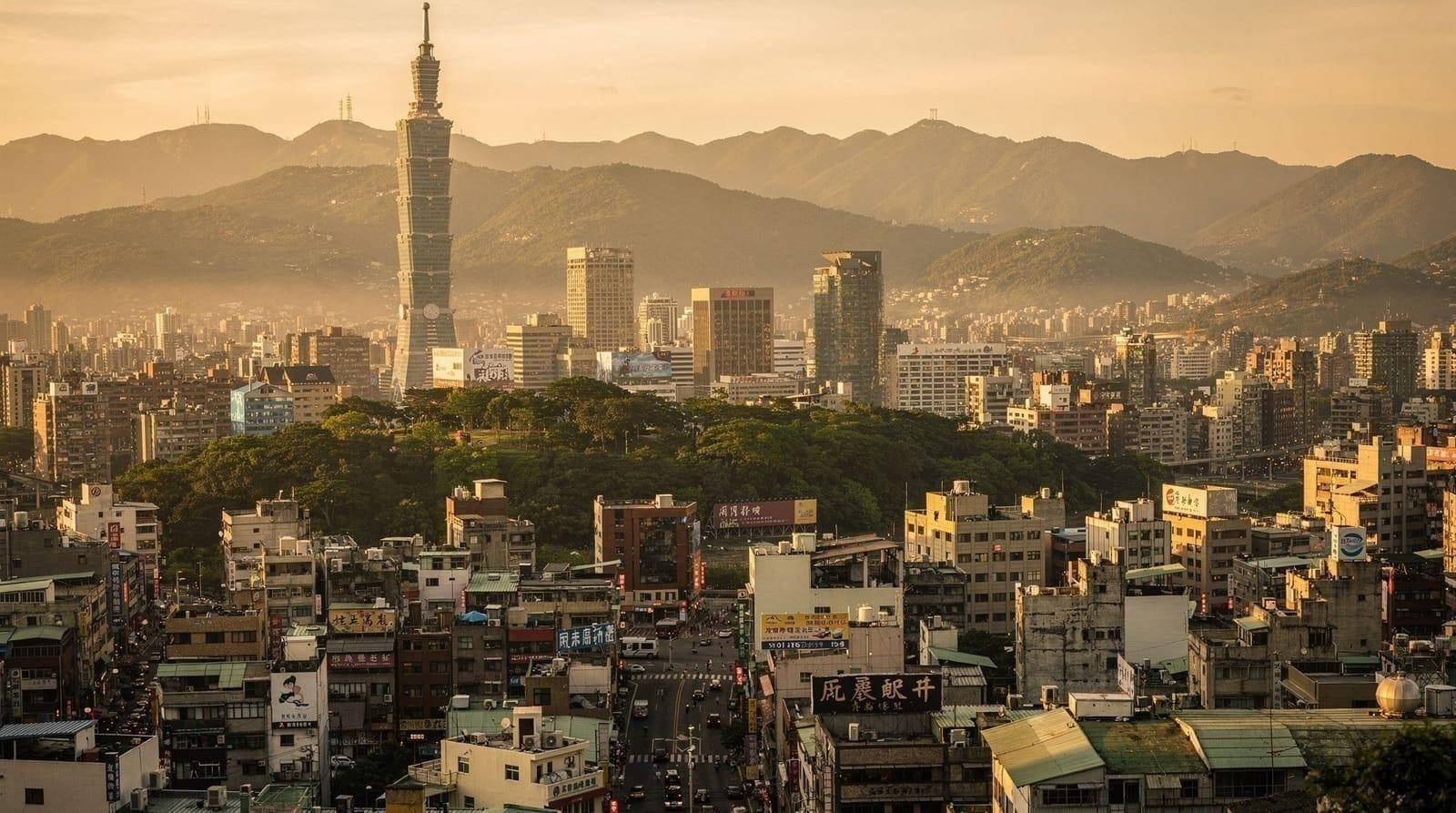
Taipei has thousands of bubble tea shops. The density can feel overwhelming on a first visit — there are often three or four competing shops within a single MRT exit plaza. This guide is structured to give you a clear framework: what to order first, which chains are worth your time, which neighborhoods reward walking, and how to avoid the inflated tourist pricing that’s easy to fall into around Ximending and Taipei 101. For broader orientation, the Taipei first-timer guide covers the city’s layout before you dive into any single neighborhood.
| Where | Everywhere in Taipei; Da’an and Zhongshan have the best density |
| Cost | Around NT$50–90 at chains; NT$120–180 at sit-down teahouses |
| Time needed | A few minutes to order; 30–60 min at a sit-down teahouse |
| Getting there | No planning needed — a shop is rarely more than a block away |
| Avoid | Tourist-facing shops in Ximending charging NT$120+ for chain-level drinks |
What to order as a first-timer
The classic: fresh milk tea with black pearls
The benchmark drink and the best starting point. Order: 鮮奶茶 (xiān nǎi chá) with 珍珠 (zhēn zhū, black tapioca pearls). Sweetness level (甜度): 70% or 50% is recommended over 100% for most palates. Ice level (冰塊): 少冰 (less ice) or 正常 (normal).
The pearls should be warm, chewy and slightly sweet from the brown sugar they were cooked in — not hard, not mushy. If they are either extreme, the shop is not making them fresh.
Brown sugar milk tea (黑糖鮮奶茶)
Tiger Sugar (老虎堂) made this internationally famous. Fresh full-fat milk, brown sugar syrup drizzled in tiger-stripe patterns, warm pearls. Served without ice to preserve the milk temperature. TWD 65–90 (€1.80–2.50). Richer and sweeter than classic milk tea — one is enough.
Fruit tea (水果茶)
Lighter alternative for warm days. A good fruit tea uses real citrus (lemon, grapefruit), fresh fruit pieces and a light green or white tea base. Chains like 鮮茶道 (Presotea) and 天仁茗茶 (Ten Ren) do strong versions. TWD 60–90 (€1.65–2.50).
Taro milk tea (芋頭奶茶)
A purple, sweet, earthy drink made with real taro (not artificial flavoring at good shops). One of Taiwan’s distinctive flavors — worth trying even if you are skeptical of taro elsewhere. TWD 65–90 (€1.80–2.50).
Oolong-based drinks
Most Westerners default to the milk tea style, but oolong tea is where Taiwan genuinely excels — and several bubble tea shops use high-quality Taiwanese oolongs as their base rather than generic black tea blends. Look for 烏龍茶 (wūlóng chá) on the menu, and specifically for Dong Ding oolong (凍頂烏龍) or High Mountain oolong (高山烏龍). Served over ice with minimal sweetness (25–50%), an oolong-base tea has a floral, slightly roasted complexity that makes the standard export-market milk tea taste flat by comparison. Some shops add oolong pearls — tapioca pearls made with oolong tea extract — which is worth seeking out. TWD 55–80 (€1.55–2.20).
Jasmine green tea drinks (茉莉綠茶)
Jasmine tea is one of the lightest options and works well in Taipei’s summer heat. A good jasmine milk tea uses real scented jasmine green tea leaves, not extract. The result is floral, slightly sweet and far less heavy than a standard milk tea. Particularly good at chains that brew to order rather than batch-brewing. Ask for 茉莉奶綠 (jasmine green milk tea) — a milk version — or just 茉莉綠茶 over ice as a no-milk option. TWD 50–75 (€1.40–2.10).
Popping boba vs. tapioca pearls
Standard black tapioca pearls (珍珠) are the default and the foundation of the drink. Popping boba (爆爆珠, bào bào zhū) are a different product — small juice-filled spheres that burst in your mouth, usually fruit-flavored (mango, strawberry, lychee). They are a lighter, less chewy alternative often used in fruit teas rather than milk teas. They do not absorb the drink around them the way tapioca does, so the flavor hit is sharper and more isolated. Worth trying in a mango or passion fruit tea. Some chains also offer crystal pearls (水晶珍珠) — translucent tapioca in konjac or white sugar — for a subtler texture.
Grass jelly drinks (仙草凍飲)
Grass jelly (仙草, xiān cǎo) is one of the most underrated additions in Taiwanese drinks culture and has nothing to do with regular boba. It is made by boiling and drying a plant in the mint family, then setting the extract into a firm, slightly bitter jelly that is cut into cubes. In drinks, it adds an earthy bitterness that balances sweetness — like adding a small dark chocolate note. Grass jelly milk tea (仙草奶茶) or grass jelly with oolong over ice is a local staple that tourists rarely try. TWD 45–70 (€1.25–1.95). If you see 仙草 on a menu, order it before you leave Taiwan.
The major chains
Chun Shui Tang (春水堂)
The originator. Multiple locations in Taipei — the Da’an branch on Yongkang Street is the most visited. Full menu of teas, meals and desserts (this is a sit-down tea house, not a takeaway stand). The pearl milk tea costs TWD 130–160 (€3.60–4.45) here — pricier than chains but the quality is noticeably better and the setting is pleasant. Worth a slow afternoon.
In Taipei, the most practical locations are the Yongkang Street branch (near Dongmen MRT, exit 5, a 3-minute walk), the Zhongxiao branch near Zhongxiao Fuxing MRT, and a branch inside the Eslite Spectrum Songyan store near Taipei City Hall MRT. The Songyan location tends to be less crowded on weekday afternoons and has a calmer atmosphere than Yongkang. Hours at most locations run 10:00–21:30.
Tiger Sugar (老虎堂)
Famous for the brown sugar milk tea with tiger-stripe syrup pattern. Multiple locations in Taipei — Zhongshan and Ximending branches most accessible. The drink is Instagram-friendly and genuinely delicious. TWD 65–85 (€1.80–2.35). No seats — takeaway only.
50 Lan (五十嵐)
The most reliable everyday chain for value-to-quality ratio. Nearly 800 locations in Taiwan; you will pass one every few blocks. Tea-to-milk ratio is well-balanced; the pearls are consistently fresh. Classic milk tea with pearls: TWD 50–65 (€1.40–1.80). This is what a significant portion of Taipei’s working population drinks daily.
Comebuy (康青龍)
Good quality, slightly more upscale than 50 Lan. Strong on fruit teas and cheese foam topping (a Taiwanese trend — savory cream cheese foam on top of iced tea). TWD 60–90 (€1.65–2.50).
Yi Fang (一芳台灣水果茶)
Specializes in fruit teas using locally sourced Taiwanese fruit. The pineapple green tea and lemon aiyu jelly drink are distinctive. TWD 65–95 (€1.80–2.65).
Gong Cha (貢茶)
Taiwanese-origin chain now global. Quality in Taiwan is generally better than export locations — fresher pearls, better tea bases. TWD 60–80 (€1.65–2.20). Good fallback option throughout the city.
Lesser-known chains worth seeking out
Xing Fu Tang (幸福堂)
Xing Fu Tang is, arguably, the actual originator of the brown sugar pearl milk drink that Tiger Sugar later made globally famous. Where Tiger Sugar focuses on the dramatic tiger-stripe visual, Xing Fu Tang focuses on the caramelization of the brown sugar directly in front of you — the pearls are cooked to order in a wok with brown sugar at the stand, then tipped into the cup with fresh milk. The result is more intensely caramelized than Tiger Sugar’s version. Their Ximending location at the entrance to Chengdu Road is the most accessible. TWD 70–95 (€1.95–2.65). Queue times can reach 20–30 minutes on weekends.
Koi The (珂以茶)
A mid-upscale chain focused on tea quality rather than novelty toppings. Koi sources tea directly from Taiwanese farms and makes their base batches fresh every two hours — you will sometimes see the brewing time stamped on a chalkboard. Their oolong series (especially the aged oolong with rock salt and cheese foam) is the standout. Locations in Da’an and Zhongshan. TWD 75–110 (€2.10–3.05).
Coco Fresh Tea and Juice (都可)
One of the largest Taiwanese chains globally, and one of the oldest still operating. Quality varies more than at 50 Lan, but at their better Taipei outlets the passion fruit green tea and the four-season oolong are reliable choices. Most useful as a fallback when other options are not nearby — there are locations in almost every MRT station complex. TWD 50–80 (€1.40–2.20).
Spring Tea House (春茶館)
A lesser-known sit-down tearoom group (different from Chun Shui Tang) with several Taipei locations in quieter commercial streets. They specialize in Taiwanese mountain oolong served in traditional gaiwans alongside their bubble tea menu, which makes this a genuine bridge between the bubble tea culture and the traditional tea ceremony culture. The service is slower and more ceremonial — not a grab-and-go option. Best for a rainy afternoon. TWD 120–180 (€3.30–5.00) per drink. Reservations recommended on weekends.
Bubble tea by neighborhood — where to go in each district
Da’an — the benchmark
Da’an is the best neighborhood in Taipei for quality bubble tea, partly because of its dense café culture and partly because it has the city’s highest concentration of students and young professionals who drink it daily and would notice if quality dropped. Yongkang Street is the headline (Chun Shui Tang, multiple independents), but Heping East Road and the streets around Da’an Forest Park have quieter options that are less trafficked. The area near National Taiwan University on Roosevelt Road has several independent shops worth trying. For a full Da’an orientation, see the Taipei neighborhoods guide.
Zhongshan — chain central
The Zhongshan commercial corridor running north from Taipei Main Station has the highest density of chains per block in the city — 50 Lan, Tiger Sugar, Gong Cha, Comebuy and Koi The all have accessible branches here. This is the most convenient area for quick comparisons or for picking up a drink between other stops. The area around Zhongshan MRT (exit 2) is particularly dense. Not the place for independent shops, but excellent for chains.
Xinyi — tourist prices, some exceptions
The Xinyi district around Taipei 101 is dominated by mall retail, which means bubble tea prices trend 20–40% higher than elsewhere in the city for no quality improvement. The Breeze Xinyi and ATT 4 Fun malls both have multiple options. If you are in Xinyi for Taipei 101 and want a drink, walk two or three blocks west of the malls into the residential streets — the neighborhood becomes normal quickly and prices drop. The Tonghua Night Market area, about 10 minutes on foot from Xinyi, has reliable night market vendors.
Wanhua and Ximending — proceed with awareness
The Ximending and Wanhua area has the city’s highest concentration of tourist-facing bubble tea shops — colorful storefronts, large English menus, novelty presentations. Most charge TWD 120–180 for drinks that a chain nearby sells for TWD 55–75. The exceptions are the chain branches (50 Lan, Xing Fu Tang’s main Ximending location) which maintain normal pricing. Longshan Temple and Bopiliao Historic Block nearby are worth the visit — the Longshan Temple guide covers them, and a guided cultural walk around the temple and its old streets is an easy way to see the area with context before you pick a drink. Just do not buy your bubble tea from a shop that needs a neon sign in English to tell you it’s authentic.
Shilin — before or after the night market
The Shilin night market area has strong bubble tea vendors, particularly around the covered market section. The vendors here are calibrated for local volume rather than tourist presentation, which generally means better value and fresher pearls. If you are doing an evening at Shilin, a cup from one of the vendors near the temple section pairs well with the street food circuit. If you would rather have someone steer you through the stalls, a guided first-timer evening at a night market leaves room for a drink along the way. See the Shilin vs. Raohe comparison if you are deciding between the two.
How to order in Chinese — the order sheet system
Most Taipei bubble tea shops use a paper order form on a clipboard or a printed slip at the counter. You circle or check boxes rather than speaking full sentences, which makes ordering easier than it might seem. The standard sections are:
飲品 (yǐn pǐn) — drink selection. This is a numbered list. Point to or circle the number.
甜度 (tián dù) — sweetness. Options usually run: 全糖 (full sugar / 100%), 少糖 (less sugar / 70%), 半糖 (half sugar / 50%), 微糖 (slight sugar / 25%), 無糖 (no sugar / 0%). First visit: circle 半糖 or 少糖.
冰塊 (bīng kuài) — ice. Options usually run: 正常冰 (normal ice), 少冰 (less ice), 微冰 (minimal ice), 去冰 (no ice), 熱 (hot). In summer: 正常冰. In cooler months or if you want to taste the tea more clearly: 少冰 or 微冰.
加料 (jiā liào) — toppings/add-ins. This is where you select pearls, jelly, pudding, or foam. Standard options: 珍珠 (tapioca pearls), 椰果 (coconut jelly), 仙草 (grass jelly), 布丁 (egg pudding), 奶蓋 (cheese foam). Most shops charge TWD 10–20 (€0.30–0.55) per topping.
數量 (shù liàng) — quantity. Write the number.
One useful phrase if you are confused: 這個 (zhège) means “this one” — pointing and saying zhège will get you most of the way. Shops near tourist areas will have staff who can assist in basic English, but having the characters for your sweetness and ice preference on your phone makes the process much smoother.
Taiwan’s tea culture beyond bubble tea — and why Maokong matters
Bubble tea is the popular face of something older and more complex. Taiwan produces some of the world’s most respected oolongs — Alishan high mountain tea (阿里山高山茶), Dong Ding oolong (凍頂烏龍) from Nantou County, and Li Shan oolong from elevations above 2,000 meters. These are not novelty products; they are sold in the same specialty shops that serve Taipei’s tea collectors, at prices ranging from TWD 600 to several thousand TWD per 150g. For a deeper look at how tea fits into Taiwan’s culture, the Taipei tea culture guide is the reference.
For something accessible from the city, Maokong (貓空) deserves mention. A 20-minute gondola ride from Taipei Zoo MRT station, the Maokong hillside is Taipei’s own tea-growing area — small farms, traditional teahouses built on hillside terraces, and a view back toward the Taipei basin. The traditional teahouses here serve Taiwanese oolong in gaiwans with small snacks, and the experience is genuinely removed from the city noise. You sit, you pour, you refill from a thermos. A full tea service at a Maokong teahouse runs TWD 250–400 (€6.95–11.10) per person including tea, hot water and snacks. The gondola costs TWD 120 (€3.35) each way. See Maokong for logistics.
The connection to bubble tea: the same oolongs served in Maokong teahouses are what the best bubble tea shops in Taipei use as their tea base. Tasting the unmodified oolong first and then drinking an oolong-base bubble tea later in the trip gives you a useful reference point for quality. Most visitors do it the other way around or not at all — but going to Maokong first is the better sequence if you have the time.
Seasonal drinks — what changes through the year
Taiwan’s bubble tea menus rotate with seasons in ways that are worth noting if your visit falls at a particular time.
Summer (June–September): Fruit teas dominate. Fresh mango season peaks in July–August, and the best shops use Irwin or Aiwen mangoes from southern Taiwan rather than imports. A fresh mango smoothie tea with tapioca at a quality shop during mango season is one of the best drinks you can have in Taipei. Lychee, passion fruit and starfruit also appear. Cold brew teas are common in summer — brewed at low temperature for 8–12 hours, producing a cleaner, less bitter result than hot-brewed chilled tea. Also in summer: shaved ice drinks (剉冰, cuò bīng) are not technically bubble tea but dominate the cold drink category and are worth trying as a parallel.
Autumn and winter (October–February): Hot milk tea becomes common. The standard milk tea base with pearls served hot (熱, rè) is available year-round at most shops but is more prominently displayed in winter. Brown sugar drinks work particularly well hot. Wintermelon tea (冬瓜茶) — a traditional Taiwanese cold drink made from wintermelon and rock sugar — appears as a hot option at some shops in colder months. Hot taro milk tea with pearls is a reliable cold-weather order. Seasonal fruit shifts to tangerine, kumquat and pomelo in winter months, appearing in citrus fruit teas.
Spring (March–May): Strawberry season in Taiwan runs roughly February to April; fresh strawberry teas and strawberry milk drinks appear on temporary menus. These use Dahu (大湖) strawberries from Miaoli County — smaller, more intensely flavored than the large cultivated varieties common in European supermarkets. Worth trying if timing aligns.
Environmental note — cups, straws and deposit systems
Taiwan has significantly reduced single-use plastic in food service since national regulations took effect. You will encounter this in bubble tea shops in a few ways.
Most shops default to paper straws for cold drinks. The wide-bore bubble tea straws are now typically paper — they soften faster than plastic but last the length of a standard drink. If you prefer a reusable metal straw, bringing one is worthwhile for a longer trip.
Several chains, including 50 Lan and Comebuy, participate in a cup return program where you can borrow a reusable cup from the shop and return it within 30 days at any participating location for a deposit refund (typically TWD 30, €0.85). The system is called the “環保杯” (huán bǎo bēi, eco-cup) initiative. You can also bring your own cup from home at most shops — they deduct TWD 5–10 (€0.15–0.30) as a BYO discount. Night market vendors are less likely to participate in deposit programs, but the chains are consistent about it.
What to look for in a good bubble tea shop
Fresh pearls: Made in-house daily. Pearls stored for more than 4–6 hours become hard; fresh ones have a specific give when you bite them. Some shops display their pearl-cooking process visibly — a good sign.
Real tea: Brewed tea (not tea-flavored syrup). You can usually taste the difference in the finish — brewed tea has more tannin complexity.
Adjustable sweetness and ice: Any reputable shop lets you customize. Standard options: 0%, 25%, 50%, 70%, 100% sugar; 0%, 25%, 50% ice or normal ice. First visit recommendation: 50–70% sugar, normal ice.
No plastic smell: Some cheaper shops use lower-grade cups that leach a faint chemical smell into the drink. If the cup smells like plastic, it affects the taste.
Batch times posted: Shops serious about freshness post or display their pearl batch times — the hours when a new batch was made. Some post tea brewing times too. If you see this, it is a reliable quality signal.
Queue composition: Locals queuing at a shop they pass every day is a better signal than a crowd of tourists holding cameras. If 90% of the queue is tourists reading the English menu, that’s useful information about who the shop is actually optimizing for.
Milk type: Fresh full-fat milk (鮮奶) costs more than non-dairy creamer (奶精) and produces a noticeably creamier, less synthetic result. Good shops use it and say so on the menu. Shops that default to creamer without disclosure are a tier below.
The cheese foam trend
Many Taiwanese shops now offer a cream cheese foam topping (奶蓋, nǎi gài) on cold iced tea — a thick, slightly salty cream layer poured over tea. The contrast of savory foam and sweet tea is genuinely interesting. Try it on a light oolong or green tea rather than milk tea. Best versions: Heytea (喜茶), Comebuy, and specialist foam-tea shops in Da’an.
Prices: what’s reasonable vs. inflated
| Setting | Price range | Notes |
|---|---|---|
| Street vendor / night market | TWD 40–70 (€1.10–1.95) | Fresh but no customization always |
| Mid-range chain (50 Lan, Coco Fresh, Gong Cha) | TWD 55–85 (€1.55–2.35) | Best value, consistent quality |
| Premium chain (Tiger Sugar, Yi Fang, Xing Fu Tang) | TWD 65–100 (€1.80–2.80) | Worth the extra for specific drinks |
| Upper-mid chain (Koi The, Comebuy) | TWD 75–110 (€2.10–3.05) | Better tea sourcing, higher base quality |
| Sit-down teahouse (Chun Shui Tang, Spring Tea House) | TWD 120–180 (€3.30–5.00) | Experience pricing, genuinely different |
| Tourist-trap areas (some Ximending) | TWD 120–180 (€3.30–5.00) | Same or lower quality, inflated pricing |
| Maokong traditional teahouse | TWD 250–400 pp (€6.95–11.10) | Includes multiple pours, snacks, setting |
For more context on where drinks fit into your overall daily spend, the Taipei travel budget guide breaks down costs across accommodation, food and transport.
Tipping and etiquette
No tipping expected — not at bubble tea shops, not at cafés, not anywhere in Taiwan’s food service industry. Payment is usually at the counter when you order. Most shops use a printed order sheet where you check your sweetness and ice preference; some now have digital ordering tablets.
Drinking while walking is entirely normal in Taiwan. There is no social stigma attached to carrying a takeaway drink around a temple area, museum entrance or MRT station. The main practical issue is recycling — look for the bin marked 塑膠 (plastic) for cups and 紙類 (paper) for receipts. Most convenience stores (7-Eleven, FamilyMart) have recycling bins near the entrance that accept takeaway cups.
For the full food picture, also see best street food in Taipei, the Din Tai Fung guide, and the complete night markets guide. If this is your first time in the city, the how many days in Taipei guide gives context for how much time you need to cover food, temples, day trips and the rest without rushing.
Fitting bubble tea into a real Taipei day
Bubble tea works best as punctuation rather than as a destination. A cup between a temple and a market, or after a long walk, does more for a day than a dedicated trip across town. The Taipei itinerary guide shows how a day can be paced, and a drink stop slots in almost anywhere. If you are planning a short stay, the Taipei in 3 days itinerary leaves natural gaps for a drink, and the Taipei food lovers itinerary is the one to follow if tasting is the whole point of your trip.
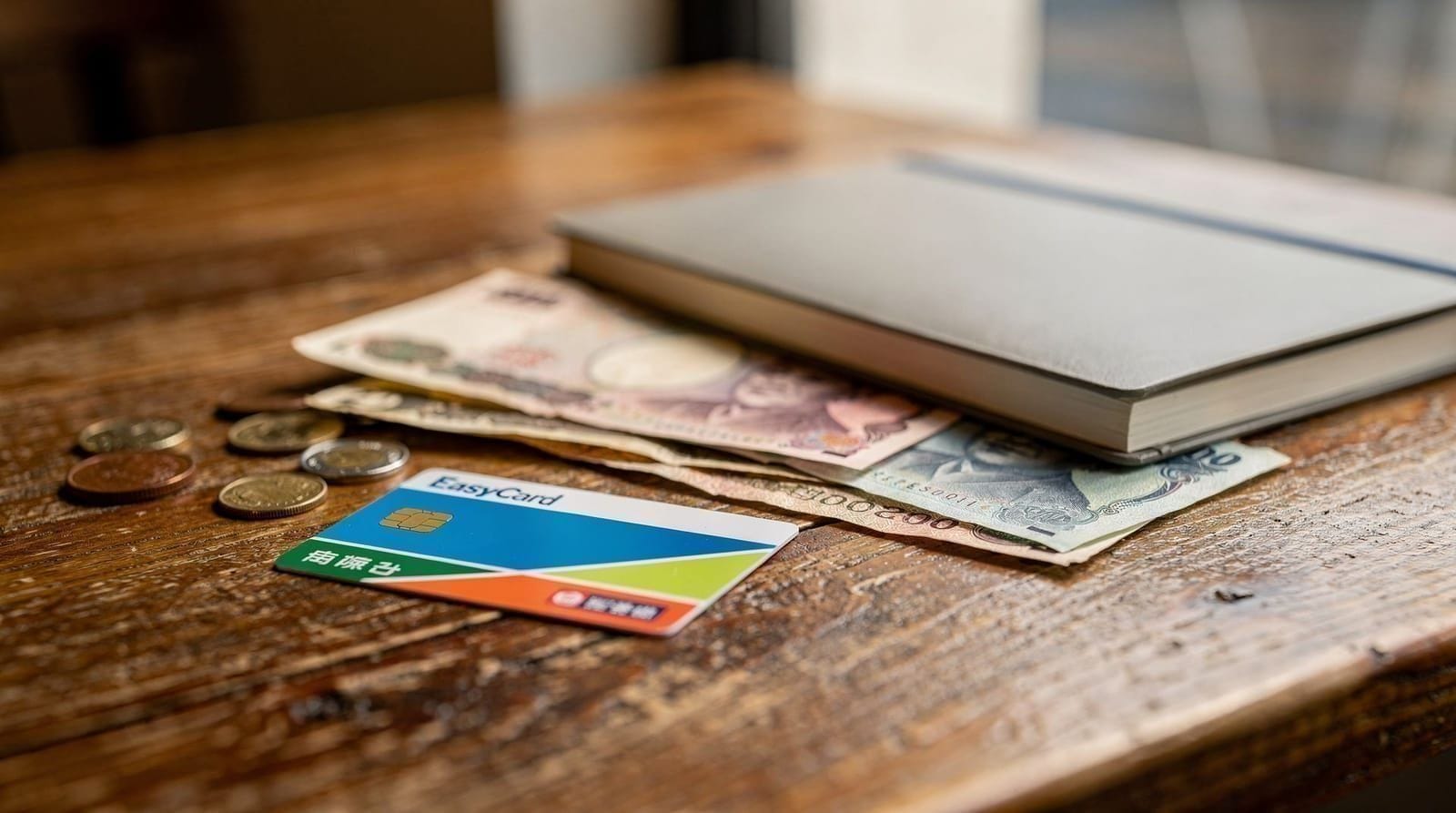
Getting between shops is easy. The Taipei MRT guide explains how the metro works, and the EasyCard guide covers the card that also pays at many convenience stores, which is handy when you want a quick drink on the way. Because shops cluster around station exits, you rarely need to plan a route around them.
Pairing drinks with places
- Old streets and tea merchants. The Dadaocheng and Dihua Street guide and the Dadaocheng destination page are the right place to see tea as a trade, not just a drink. It makes a good counterweight to the chain shops described above.
- Youth-oriented shopping streets. The Ximending guide explains the area in more detail, including why it is worth visiting even if you skip its most tourist-facing drink stands.
- Mall districts. The Xinyi district guide covers the area around Taipei 101, where convenience is high and the drink is rarely the best value.
- Hill towns and day trips. If you are heading north, the Jiufen day trip guide and the comparison of Jiufen teahouses versus Maokong help you decide where a slow pot of tea fits best.
Weather and timing
Your drink order changes with the weather. The best time to visit Taipei guide explains the seasons, the Taipei in winter guide is useful if you plan to order hot drinks, and the typhoon season guide helps when a storm keeps you indoors. On wet days, the blog posts on Taipei in the rain and the coffee and tea scene suggest ways to spend a slow afternoon with a cup in hand.
Traveling with others and on a budget
Bubble tea is one of the easiest treats to share with a group, and children usually enjoy a fruit tea or a lightly sweetened milk tea. The Taipei with kids guide and the Taipei for families itinerary cover the wider picture of traveling with children. If you are watching your spending, the Taipei on a budget itinerary shows how small daily treats fit into a modest plan, and the Taipei tourist traps and scams and overrated guides help you spot where a drink is priced for visitors rather than locals.
Taipei foodie history walking tour — includes bubble tea, street food and neighborhood contextCheck availability