Taipei packing tips — what to bring and what to leave home
Taipei: Tpe airport one way private transfer to or from Taipei city
What should I pack for Taipei?
Pack light, breathable clothing for summer (May–Sep, 28–36°C, high humidity) or layers for autumn and winter (Oct–Feb, 16–25°C). Always bring a compact umbrella or packable rain jacket — Taipei gets rain year-round. Comfortable walking shoes are essential; flip-flops are fine for casual use. Sunscreen and an eSIM card save significant hassle.
Taipei rewards light, adaptable packing over a full suitcase of contingencies — the city’s convenience stores and pharmacies cover almost anything you forget, and the climate swings by season rather than by day. This guide covers what actually matters by season, what to leave home, and what to buy locally instead.
If you are still shaping the trip itself, the Taipei first-timer guide and the 3-day Taipei itinerary give you the plan to pack against.
| Always pack | Compact umbrella, walking shoes, sunscreen |
| Summer (May–Sep) | Lightest fabrics, SPF 50+, sun hat |
| Winter (Dec–Feb) | Waterproof shell, fleece mid-layer |
| Skip packing | Toiletries, snacks, umbrellas — buy locally |
| Power | Type A plug, 110V — same as the US |
Climate basics — what Taipei weather actually means for packing
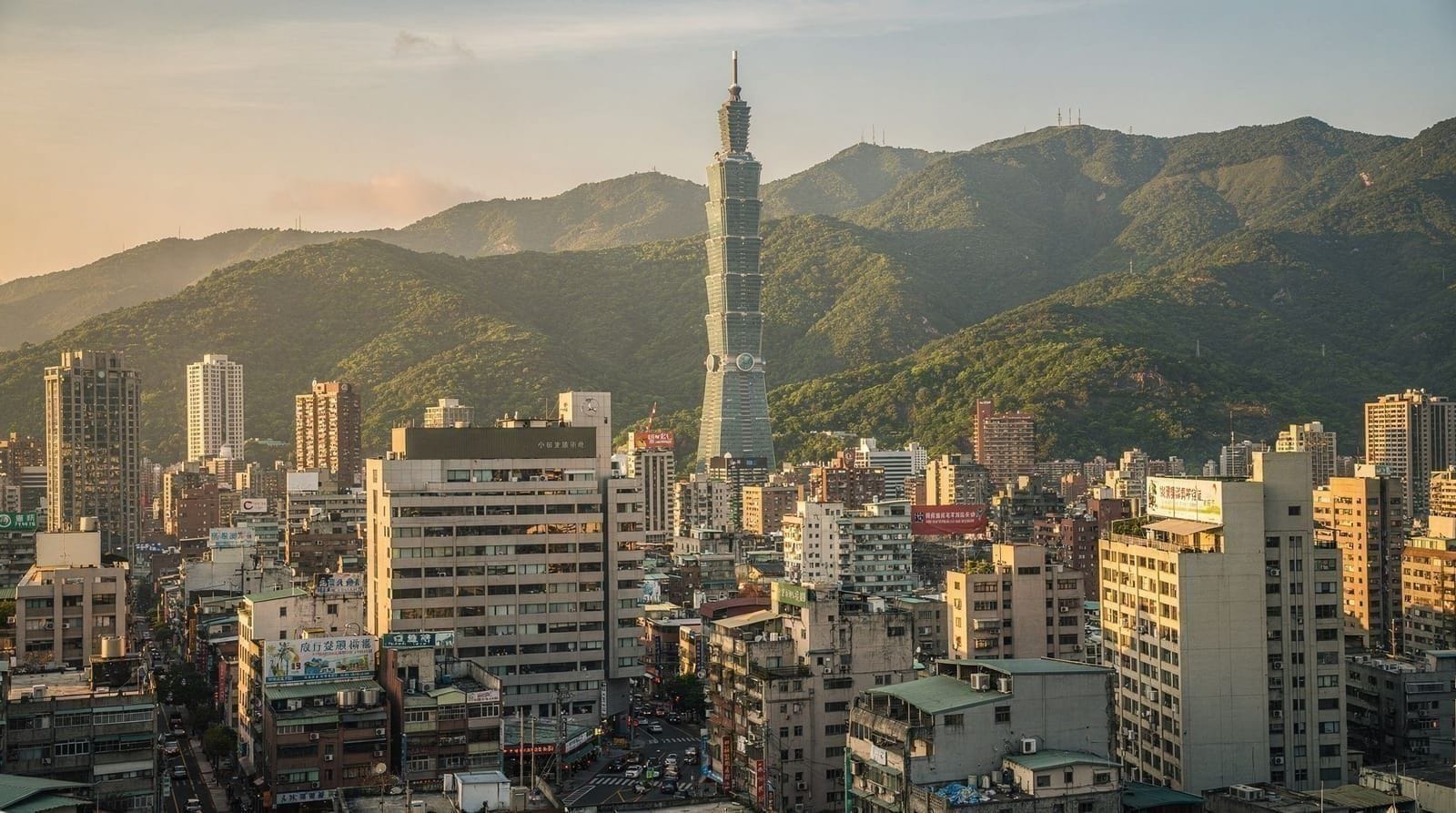
Taipei sits at 25°N latitude and has a subtropical climate: hot and humid summers, mild winters, rain possible in every month.
April–June (Spring): 22–30°C, increasing humidity, plum rain period in May–June. Layers useful for air-conditioned interiors vs. hot streets. Umbrella essential.
July–September (Summer): 28–36°C, very high humidity, typhoon season. Pack the lightest possible clothing. Typhoon probability means flexible plans; pack for indoor contingencies.
October–November (Autumn): 20–27°C, best weather of the year. Light layers, occasional rain. The most comfortable packing scenario.
December–February (Winter): 14–20°C, overcast and damp. Feels colder than the number suggests due to humidity. Bring a mid-weight jacket. Occasional cold snaps (particularly in January–February) drop temperatures to 10–12°C for a few days.
Year-round: Taipei gets significant rainfall. A compact umbrella or packable rain jacket is not optional.
Packing by season at a glance:
| Season | Temp | Humidity | Key item |
|---|---|---|---|
| Spring (Apr–Jun) | 22–30°C | Rising | Umbrella, light layers |
| Summer (Jul–Sep) | 28–36°C | Very high | Lightest fabrics, sun hat |
| Autumn (Oct–Nov) | 20–27°C | Comfortable | Light layers |
| Winter (Dec–Feb) | 14–20°C | Damp | Waterproof shell, fleece |
For the full month-by-month climate breakdown, see Taipei in winter and the best time to visit guide.
Clothing essentials
For all seasons:
- Comfortable walking shoes with non-slip soles (Taipei’s old streets and temple courtyards have uneven stone paving, often wet)
- At least one set of conservative clothing for temples (shoulders covered, knees covered or coverable — a light scarf or shawl works)
- Quick-dry fabrics if you are traveling in summer
- Compact umbrella (small, fits in a day bag) or packable rain jacket
Summer (May–September):
- Lightweight, breathable fabrics (linen, moisture-wicking synthetics, light cotton)
- 3–4 changes of clothes per week minimum — you will sweat
- Sandals for casual walking, though not for temples where shoes are sometimes removed
- Sun hat with brim for outdoor activities (Elephant Mountain hike, Yehliu Geopark, day trips)
- Sunscreen SPF 50+ — Taipei’s summer UV is intense and coverage in street stalls is limited
Autumn/Winter (October–February):
- Layering pieces (light long sleeves, a fleece or light down jacket)
- One warmer layer for cold snaps (particularly January–February)
- Waterproof or water-resistant outer layer
What Taipei does NOT require:
- Formal evening wear — Taipei restaurants are notably casual even at quality restaurants. Smart casual (clean jeans and a nice shirt) is appropriate almost everywhere.
- Heavy hiking boots for city visits — lightweight trail runners cover Elephant Mountain and most Yangmingshan trails comfortably
- Bug spray for city use — mosquitoes exist but are not a significant city issue; relevant for dense jungle areas or rural hot spring surroundings
Power adapters and electronics
Power standard: Taiwan uses 110V / 60Hz with Type A plugs (two flat parallel prongs) — the same as the United States. If you are from the US, no adapter needed.
From the UK: UK plugs (Type G, three prongs) do not fit without a travel adapter. Buy a compact multi-adapter before leaving; airport adapters are overpriced.
From Europe: Europlug (Type C) does not fit. You need a Type C to Type A adapter. These are widely available in Taipei’s electronic districts (Guanghua Digital Plaza near Zhongxiao Xinsheng MRT) at NT$100–200 if you forget to bring one.
Voltage: Most modern electronics (phones, laptops, cameras) accept 100–240V universal input — check your power brick. If it says 100–240V, you only need the plug adapter, not a voltage converter.
USB-A and USB-C: Taiwan’s convenience stores and shopping malls have USB charging points. Cafes vary. Carry a portable battery bank for long day trips when charging opportunities are limited.
Connectivity — eSIM vs. local SIM vs. WiFi
eSIM (recommended): Purchase a Taiwan eSIM before departure from Airalo, Holafly, or your carrier’s international plan. Activate on arrival. Runs on local networks (Chunghwa Telecom, Far EasTone, Taiwan Mobile). Typical cost: USD 8–15 for 7-day unlimited data plan. No physical card swapping.
Local SIM: Available at Taoyuan Airport from Taiwan Mobile and Far EasTone counters. Requires passport. Cost: NT$300–600 for a 7–10 day tourist SIM. Good coverage. Language barrier at the counter is minimal but present.
Whichever option you choose, set it up before you fly so your phone works the moment you land. If you are arriving tired and carrying more luggage than planned, a private car from the airport is worth weighing against the train, and you can book a one-way private transfer between the airport and the city ahead of time so a driver is waiting once you clear customs.
WiFi only: Free WiFi is available in all hotels, MRT stations, most cafes, and many public areas. Not reliable for navigation when walking; a data connection matters for Google Maps on day trips. Offline maps (download before the day trip) reduce but do not eliminate the need.
Documents — what to carry and how
If you’d rather arrive with transport already sorted instead of queuing for tickets after a long flight, a pre-booked private transfer removes that first-day friction:
Private airport transfer — Taoyuan Airport to Taipei cityAlways carry:
- Passport (original, not a copy — Taiwan immigration and some hotels require the original)
- Return/onward flight ticket (e-ticket on phone is fine)
- Taiwan Arrival Card (TWAC) confirmation — the QR code from your pre-arrival registration
- Travel insurance policy number and emergency contact
Useful copies (separate from originals):
- Passport scan emailed to yourself and/or stored in cloud storage
- Hotel confirmation with address in English and Chinese (for taxis)
Hotel addresses in Chinese: Most taxis in Taipei will not know English addresses. Show the address in Chinese characters — your hotel should provide this, or use Google Maps to copy the Chinese address.
Health and medical kit
What to bring:
- Your regular prescription medications with sufficient supply for the trip plus a buffer of several days
- Travel health insurance documents / emergency contact number
- Basic over-the-counter kit: antihistamines (useful for street food reactions), antidiarrheals, pain relief
- Blister treatment (walking-intensive travel, especially on Taipei’s stone-paved historic streets)
- Sunscreen SPF 50+ (summer)
What to buy in Taipei:
- Taiwan’s pharmacy network (Poya, Watson’s, Cosmed) is excellent and carries most medications over-the-counter. Cosmed in particular is a well-stocked chain in every major district. If you forget something, you will find it.
Medical care: Taipei has world-class hospitals. National Taiwan University Hospital (NTU Hospital, near Zhongzheng district) has an international patient service in English. Travel insurance is strongly recommended — not because Taiwan healthcare is poor (it is excellent) but because costs without insurance can be significant for major issues.
What NOT to pack — buy it in Taipei instead
Toiletries: Taiwan’s convenience stores and pharmacies are comprehensive. Toothpaste, shampoo, conditioner, body wash, moisturizer — all available immediately. Pack minimal toiletries and buy locally.
Snacks: If you are worried about not finding your home snacks, stop worrying. Taipei’s 7-Eleven and FamilyMart chains have more diverse food than most supermarkets in Western countries. You will not go hungry.
Umbrellas: Available at NT$100–200 in every convenience store. If you forget yours, you are 2 minutes from a replacement wherever you are in Taipei.
Rain ponchos: Available in convenience stores and tourist areas. Not an elegant solution but functional.
Cash-heavy extras: Leave room in the budget rather than in the suitcase. The Taipei on a budget guide shows how far local shopping goes, and the Taipei night markets guide explains why you will want a light bag and some small bills for the evening stalls.
Day trip packing
For Jiufen, Shifen, or Yangmingshan day trips:
- Small backpack or crossbody bag (avoid large luggage on buses and trains — luggage racks are limited)
- Full water bottle (1 liter minimum for summer hikes)
- Snacks for the journey (station platforms in Taipei have 7-Elevens; snack opportunities before boarding are good)
- Camera or phone charged overnight
- Comfortable shoes (not sandals for Yangmingshan hiking, fine for Jiufen’s paved streets)
- Offline Google Maps download for the destination area
For Yangmingshan specifically:
- An extra layer (temperature on the summit is 4–6°C cooler than the city)
- Rain jacket (mountain weather changes faster than city weather)
If you are still choosing where to go, the best day trips from Taipei guide helps you match each outing to the bag you will carry. The Jiufen day trip guide and the Yangmingshan hiking guide go deeper on what those two outings feel like on the ground, which in turn tells you whether you need grippy shoes or an extra layer. For a longer loop along the coast, the north coast loop guide is worth a read before you decide how much to carry.
Customs limits — what you can bring into Taiwan
Alcohol: 1 liter per adult (duty-free) Tobacco: 25 cigarettes or 25 cigars or 25g of other tobacco products (per adult) Cash: Up to USD 10,000 equivalent without declaration; above this amount requires declaration at customs Gifts: Personal use goods under TWD 20,000 (approximately USD 630) in total value generally pass without duty
Do not bring fresh fruit, vegetables, unprocessed meat, or soil — Taiwan’s agricultural quarantine is among Asia’s strictest, with on-site inspections and meaningful fines (up to NT$1,000,000 in extreme cases; typical enforcement for tourists is NT$3,000–15,000 for uncomplicated violations).
Seasonal specifics
Packing for the typhoon season (July–September)
The Taipei typhoon season guide explains how these storms play out for visitors and how to adjust plans. If your travel dates fall in the typhoon window, add:
- A folding rain jacket (not just an umbrella — typhoon conditions mean horizontal rain)
- A dry bag or waterproof phone case for heavy rain days
- Backup plans for outdoor day trips (Jiufen and Shifen are uncomfortable in heavy rain; Yangmingshan hiking is inadvisable in typhoon proximity)
The silver lining: hotel rates are at their lowest during typhoon season, and most typhoons produce 1–2 days of bad weather rather than destroying an entire trip. The Taiwanese MRT and indoor attractions function normally unless a typhoon makes direct landfall.
Typhoon practical note: Taiwan’s Central Weather Administration (CWA) tracks typhoons and issues warnings 24–48 hours in advance. Check the CWA app or website (cwb.gov.tw) daily during summer travel. Airlines and tours will proactively notify you of cancellations.
Packing for the cherry blossom season (February–March)
Yangmingshan National Park and Wulai area have the most accessible cherry blossom viewing; the Taipei cherry blossom guide and the blog post on Yangmingshan cherry blossoms cover where to go. During peak bloom:
- Bring layers — mornings at Yangmingshan can be 8–12°C even when Taipei city is 18°C
- A wide-angle lens or phone attachment for mountain landscape shots
- Earlier departure (07:00–08:00 on weekdays) to see cherry trees before crowds
- Comfortable walking shoes with grip — mountain paths are muddy in the bloom season
Packing for the colder months (December–February)
What you actually need:
- A medium-weight down jacket or fleece for evening temperatures (12–18°C)
- A waterproof outer layer (winter rainfall is frequent in Taipei)
- Light thermals for mountain activities (Yangmingshan in January is genuinely cold)
What you do not need:
- Heavy winter coats unless you are specifically going to high-altitude areas (Alishan, Hehuanshan)
- Thermal pants for city use — indoor temperatures are warm and cold periods are short
Temple dress code — specific guidance
Taiwan’s temples do not have as strict a dress code as some Southeast Asian countries, but there are norms:
Longshan Temple: Shorts and sleeveless shirts are tolerated (many locals visit casually after work). However, removing shoes is required when entering the inner halls. Being quiet is expected during ceremonies.
Guandu Temple and older temples: More conservative. Avoid very short shorts and bare shoulders if you are entering the main prayer hall. A light scarf to cover shoulders works.
National Shrine of Ignatius (Xingtian Temple): No food offerings, no incense bought outside (the temple provides free incense). This is unusual among Taiwanese temples — follow the specific rules posted in English at the entrance.
General principle: Your clothes do not matter as much as your behavior. Remove shoes when asked, lower your voice in prayer areas, do not stand between worshippers and the main altar for extended photography.
What to buy in Taipei to bring home
Pineapple cakes (鳳梨酥): Shortcake pastry with pineapple (or winter melon) filling. An iconic Taiwanese souvenir. Quality varies enormously — Chia Te Bakery (佳德糕餅), Sunnyhills, and ChiaTe are the better-known producers. Sunnyhills has a free tasting policy. Price: NT$50–80 per piece, NT$300–500 for a gift box.
High-mountain oolong tea: Alishan, Li Shan, Da Yu Ling — these teas are grown at 1,000–2,500m altitude and command premium prices globally. In Taiwan, they are priced correctly at source. A 75g tin of decent mid-range Alishan oolong: NT$400–800.
Cosmetics: Taiwan is known for high-quality skincare at competitive prices compared to Western markets. Brands like My Beauty Diary (face masks), Dr. Wu, and iBeauty are locally developed and significantly cheaper in Taiwan than in export markets.
Stationery and design goods: Eslite Spectrum (Taipei 101 Mall, Songshan Cultural Park) stocks a curated selection of Taiwanese design stationery, books, and lifestyle goods that are not widely available outside Taiwan.
Weight limits: Taiwan’s airport duty-free allowance is modest (NT$20,000 in goods for visitors returning from Taiwan with purchased goods). Airlines typically have 20–23kg checked baggage for international economy routes. Pack lightly outbound to leave room for purchases.
Apps to download before you arrive
Google Maps: Taiwan OpenStreetMap data is good. Download offline maps for Taipei, Keelung, and the north coast before your trip.
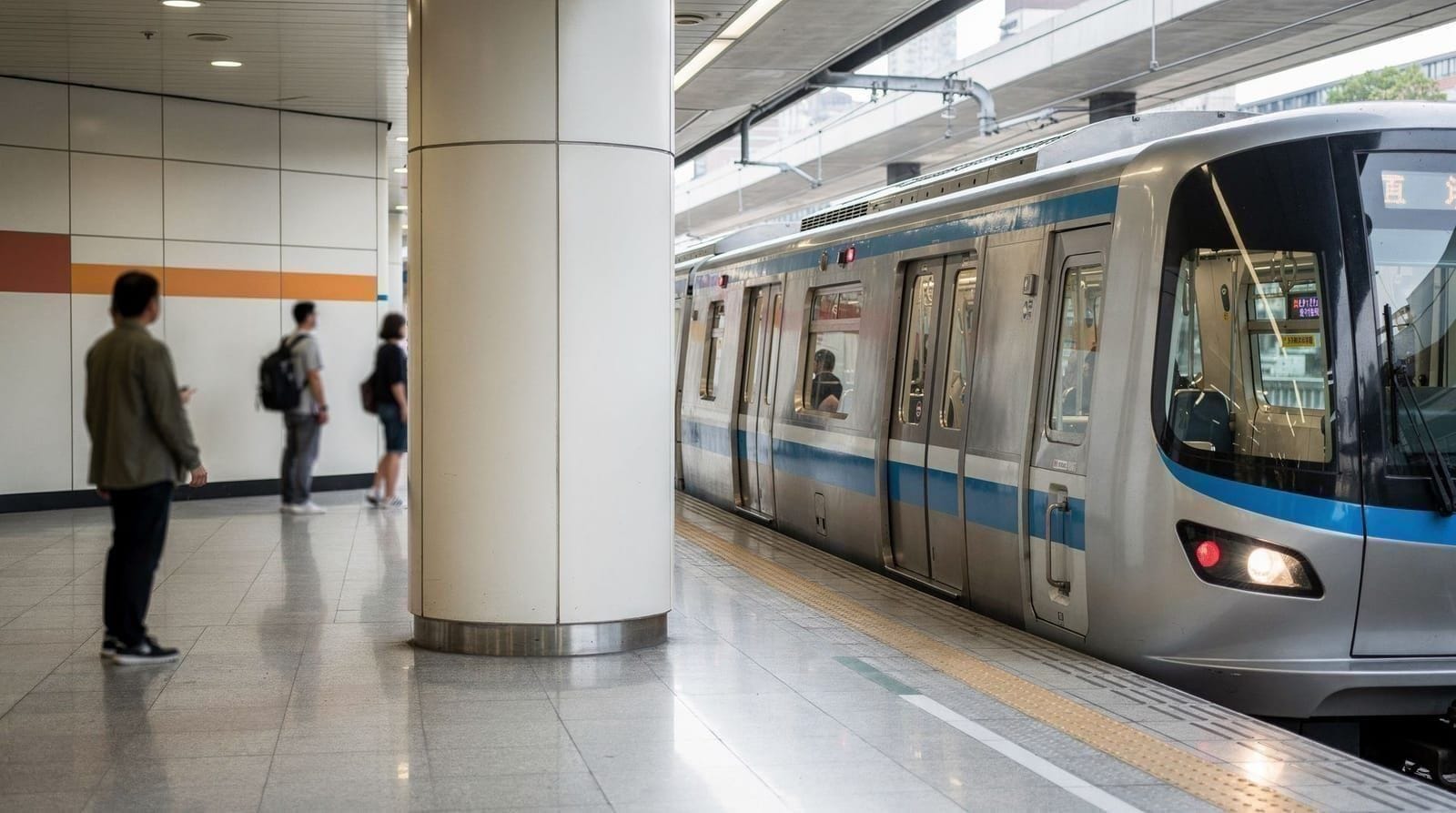
TRTC App: Taipei Rapid Transit Corporation’s official app — real-time MRT train positions, last-train schedules, fare calculator.
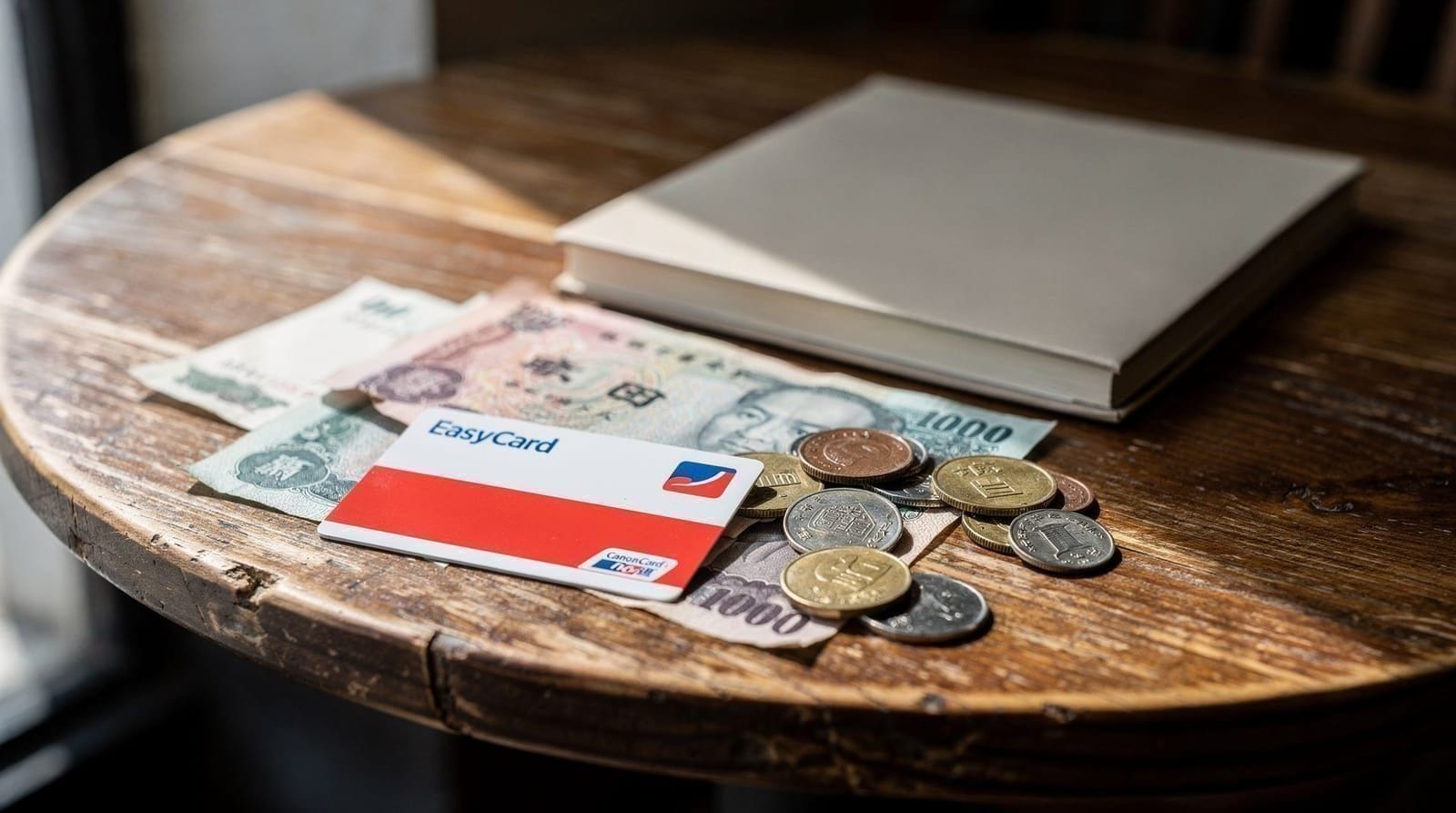
YouBike 2.0: If you plan to cycle, register your EasyCard before arriving.
Google Translate: Offline Mandarin Chinese pack is essential for menus, street signs in smaller towns, and medicine labels.
KKDAY / Klook: Useful for booking local experiences, theme parks, or certain museum tickets at competitive prices. Not all GYG tours appear here.
Rain Today (Taiwan weather): Local Taiwan weather app more accurate than global apps for hourly rainfall probability.
For the complete picture before departure, pair this guide with the Taiwan visa and entry guide (for TWAC and passport requirements) and the Taipei travel budget guide (for cash and financial planning). Once you arrive, the EasyCard guide and the Taoyuan Airport to Taipei guide cover the first practical steps.
Packing for specific activities
Hot springs (Beitou, Wulai): Swimsuit, a spare change of clothes, a small towel if your chosen bathhouse doesn’t provide one, and flip-flops for walking between the changing area and the pool. See the Beitou hot springs guide for etiquette specifics.
Temple visits: A light scarf or shawl to cover shoulders if entering a more conservative temple’s main hall, and shoes easy to slip off — some inner halls require it. Full guidance is in the temple dress code section above and the best temples in Taipei guide.
Hiking (Elephant Mountain, Yangmingshan): See the Elephant Mountain hike guide and the best hikes around Taipei for what each trail demands. Trail runners or grippy sneakers, a full water bottle, and a light rain shell — mountain weather shifts faster than city weather. Heavy hiking boots are unnecessary for either trail.