Taipei scams and overrated experiences — what first-timers need to know
Taipei: Tpe airport one way private transfer to or from Taipei city
Are there scams in Taipei that tourists should know about?
Taipei has extremely low levels of tourist-targeting fraud compared to most Asian cities. The closest thing to "scams" are soft commercial practices — taxi drivers occasionally suggesting flat fares above meter rates, and street vendors near major attractions charging above-normal prices. No currency exchange fraud, no fake ticket sellers for major venues, no staged "friendly local" lead-ins to overpriced shops. Focus your skepticism on pricing (always check menus and prices before ordering) rather than outright dishonesty.
| Overall risk | Very low compared to most Asian capitals |
| Watch for | Taxi flat-rate offers, entrance-cluster overpricing |
| Not a scam | Aggressive vendor calling, unposted street food prices |
| If overcharged | Photograph menu/receipt, contact 1999 hotline |
| Genuinely overrated | Shilin basement food hall, weekend Jiufen |
Taipei’s scam situation: the honest baseline
Before covering specific situations, context matters: Taipei is one of the safest cities in Asia for tourists. Taiwan’s social culture has a strong emphasis on honesty in commercial dealings. The tourist-targeting scams common in Bangkok (gem shops), Istanbul (tea houses), or Rome (tour “add-on” selling) are essentially absent in Taipei.
The practical situations where visitors lose money in Taipei are almost entirely about price — paying tourist prices when cheaper options exist nearby, or missing that an “upgrade” is being offered — rather than genuine deception.
This guide covers both: the genuinely uncommon situations that do require attention, and the overrated experiences that aren’t scams but reliably disappoint.
Actual situations requiring attention
Taxi flat-rate offers
Taipei’s taxi drivers are generally honest and use meters. The occasional situation where attention is needed:
The flat-rate offer for airport trips: On the trip from Taipei to Taoyuan Airport (or vice versa), some drivers will suggest a flat rate of TWD 1,200–1,500 rather than the meter. The meter for the same trip runs approximately TWD 1,100–1,300 depending on traffic. The flat-rate offer is rarely a significant overcharge — it’s the equivalent of “airport pricing” — but it’s rarely the best deal.
Better option: The Airport MRT from Taipei Main Station to Taoyuan runs in 35–37 minutes for TWD 160. It’s faster, cheaper, and more reliable than a taxi for most Taipei hotel locations. Only take a taxi if your hotel is far from MRT lines or if you have significant luggage.
The Ruifang taxi queue for Jiufen: Taxis at Ruifang Station with drivers waiting for the tourist crowd sometimes quote flat rates to Jiufen (TWD 350–450 vs. the metered TWD 200–250). Ask “by meter please” before getting in. Most drivers will comply; some will decline and wait for a less price-aware passenger — let them.
If you’d rather sidestep the pricing back-and-forth entirely, a pre-booked private transfer sets the fare upfront:
Private airport transfer — fixed price, no meter negotiationNight market vendor overpricing in tourist clusters
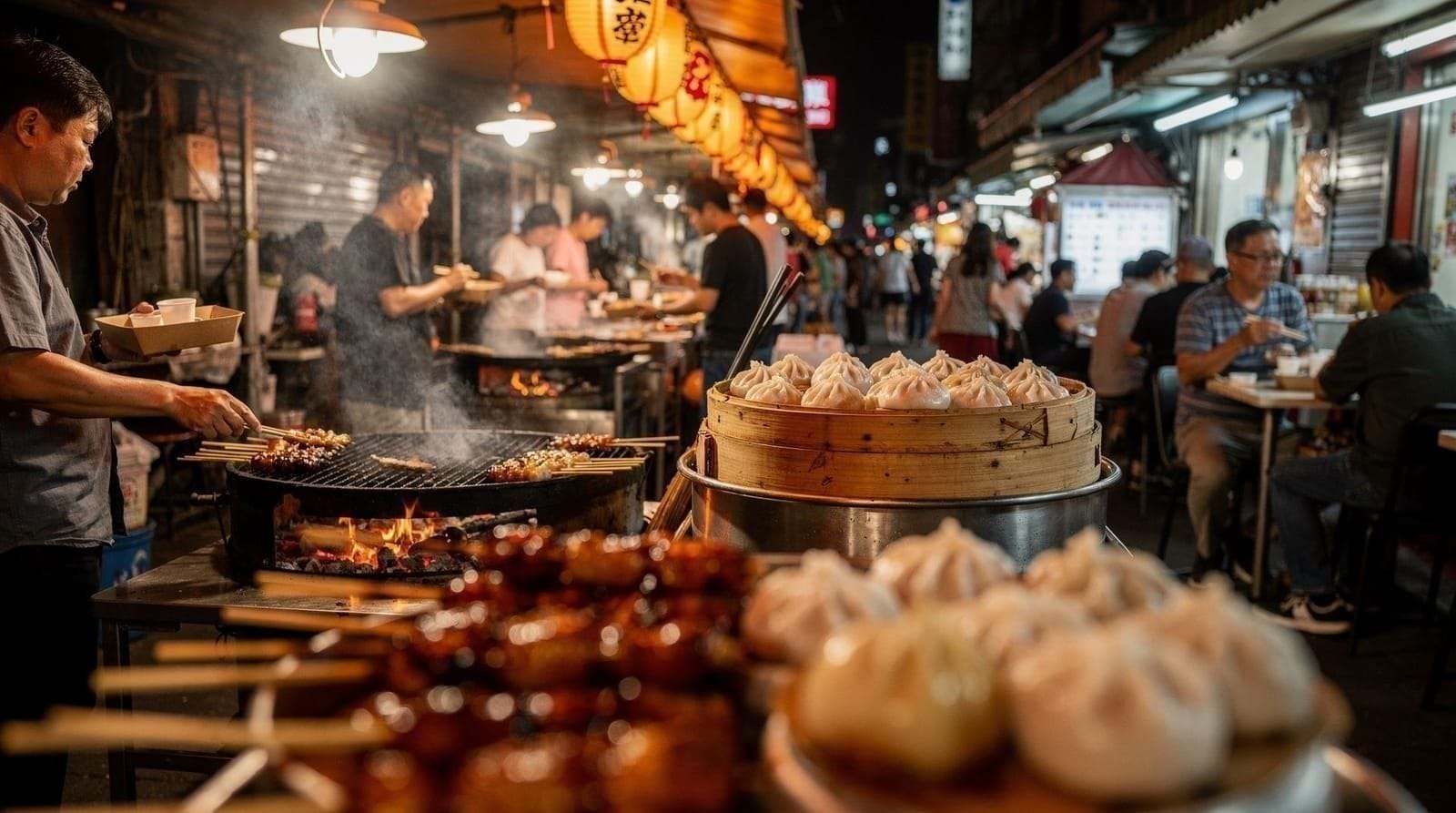
Near the entrance of major tourist night markets (Shilin, Raohe), some vendors position themselves specifically for the first-arrival tourist impulse buy. Prices at these positions can run 30–60% above what identical items cost 50–100 metres further into the market.
The pattern: A vendor near the entrance displays a prominently photographed item (a specialty snack, a branded souvenir). No price tag is visible. Tourist buys; pays quoted price; discovers same item costs significantly less deeper in the market.
Prevention: Walk in 100 metres before making any purchase. Look at what has visible price tags vs. what requires asking. Both indicate pricing philosophy.
This is price differential rather than fraud, but it’s the kind of situation where a first-timer can spend significantly more than necessary.
If you would rather not work out the market’s layout on your own, a guided visit such as a first-timers’ walk through Linjiang night market lets someone else handle the choosing and the price questions while you simply eat.
Miscommunication about tea in tourist areas
In Jiufen and at tourist-area tea shops, the term “tasting session” can be interpreted differently than expected. A common pattern:
A visitor sits down at a tea shop, accepts a “complimentary tasting,” and is then presented with a bill of TWD 300–500 for “the tasting service” when they assumed it was free.
Prevention: When sitting down at any tea shop or teahouse, ask “Is there a minimum charge?” before accepting anything. In most legitimate Jiufen teahouses, the answer is a straightforward yes (a pot of tea required, TWD 200–350 per person minimum) and the establishment says so clearly. The ambiguity is rarely deliberate deception; it’s often a communication mismatch about what “tasting” means.
Overrated experiences: what consistently underdelivers
The Shilin Night Market basement food court
Covered in our tourist traps guide, but worth repeating: the underground food court that now houses many of Shilin’s vendors is a poor substitute for the original street experience. Prices are higher, atmosphere is less interesting, and the range is narrower than the street stalls outside.
Shilin Night Market as a whole is still worth one visit — it’s large, lively, and represents Taipei’s night-market culture. The basement just isn’t the highlight.
The Taipei 101 Observatory mid-afternoon experience
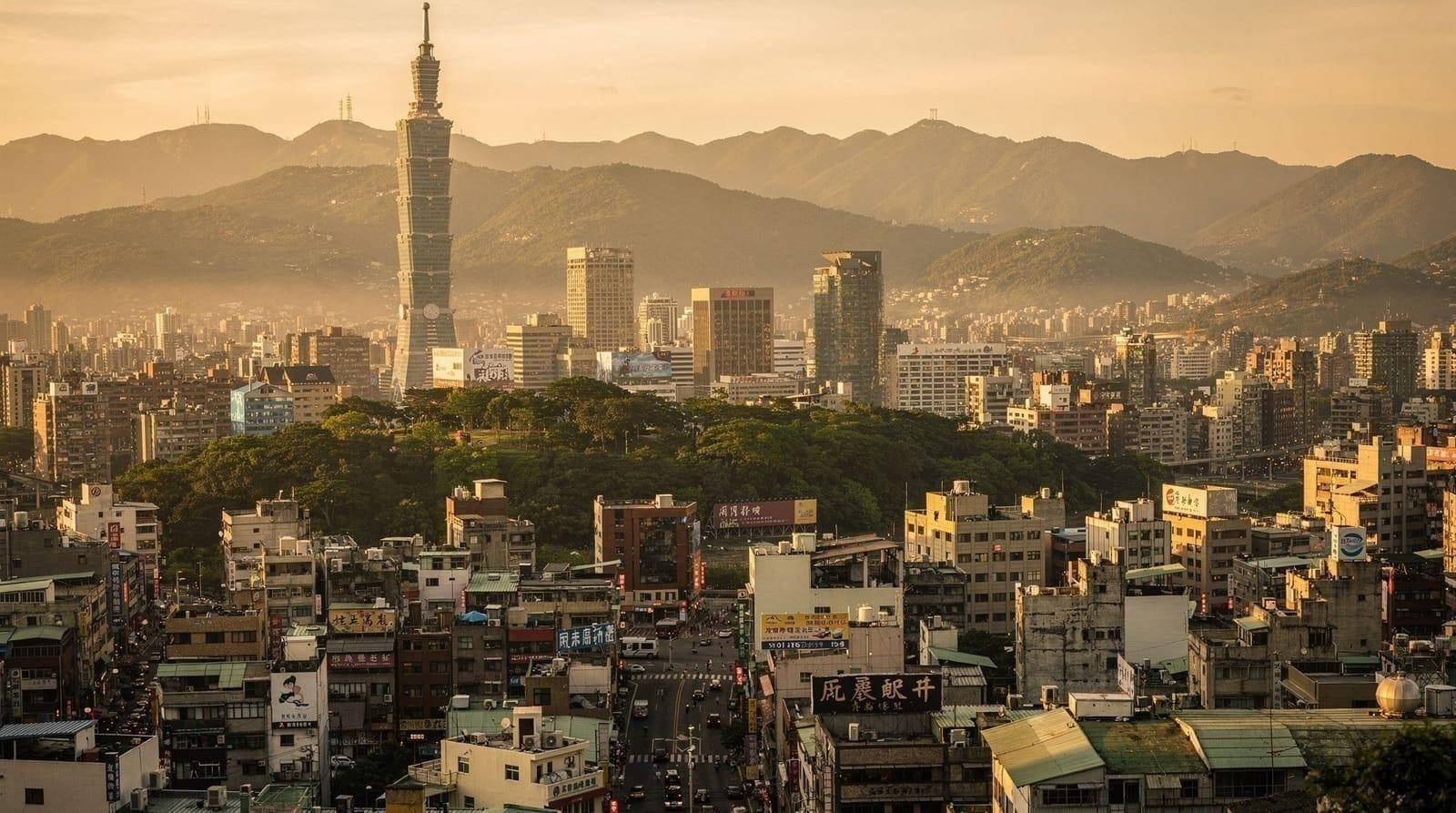
At TWD 600 per person, the Taipei 101 Observatory delivers its best value under specific conditions (clear sky, uncrowded hours). The experience is worst on weekend afternoons when visibility is reduced by haze and the indoor space is packed with tour groups.
Check the weather forecast before committing. A clear Tuesday morning at 10 am with the city spread out below delivers the experience the photos promise. A humid Saturday at 2 pm does not.
Jiufen on a weekend afternoon
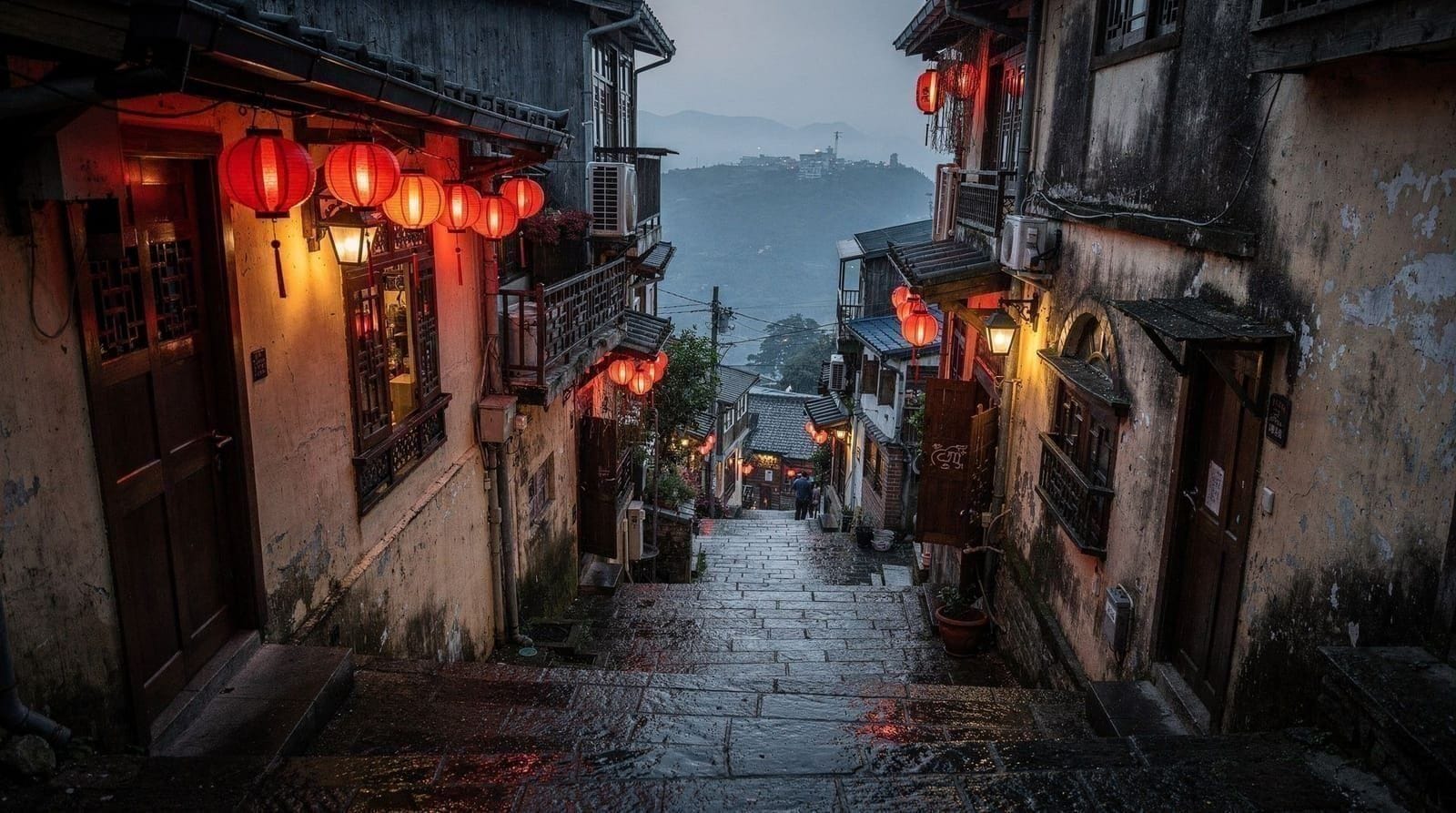
Jiufen is genuinely beautiful — one of the most atmospheric places in Taiwan. On a weekend afternoon in peak season, however, the experience is significantly different from what travel photos suggest:
- The most famous lane (the approach to A-Mei Teahouse) becomes essentially a single-file queue for photographs.
- Buses from multiple tour groups park simultaneously.
- Teahouse waits for terrace seats run 30–60 minutes.
The same location at 8 am on a weekday or at dusk on a Monday is calm, atmospheric, and nearly exactly what the photos suggest.
If your schedule fixes you on a weekend, go early (first bus to Ruifang leaves Taipei around 7 am) or accept the crowds as part of the experience rather than a surprise.
The “authentic” Taiwanese pineapple cake from airport shops
Pineapple cake (鳳梨酥) is a genuine Taiwanese specialty and an excellent souvenir. The specific trap: the varieties sold prominently in airport shops and tourist-area gift shops are typically winter melon cake with artificial pineapple flavouring, not actual pineapple filling.
Real pineapple cake (100% pineapple filling, no gourd filler) is available from established confectioners like SunnyHills (微熱山丘) or Le Ruban Pâtisserie (法朋烘焙甜點坊) at higher but more reasonable prices. SunnyHills has a policy of giving one free sample per visitor and does not pressure buyers.
The “Japan-inspired” labeling at Jiufen
The Spirited Away connection mentioned at almost every teahouse in Jiufen (and on many souvenir items) is unverified by Studio Ghibli. Hayao Miyazaki has never confirmed Jiufen as an inspiration for the bathhouse in Spirited Away. Visitors paying premium prices at specific teahouses for a “Spirited Away experience” should be aware this connection is marketing, not fact.
The town is beautiful on its own terms; the film association has driven significant price inflation in the most prominent venues.
What’s not a scam (but feels suspicious)
Street food without visible prices
Many traditional Taiwanese street food operations post no prices — you watch what others order, or you ask, and you pay what’s quoted. This is not deceptive; it’s just the operating norm for many small vendors. In practice, prices are consistent and fair. If you’re unsure, ask “Duōshǎo qián?” (多少錢? — how much?) before ordering.
Aggressive night-market vendor calling
At busy night markets, stall operators call out to passersby — “Hey, try this!” is standard. This is salesmanship, not pressure. You are never obligated to stop, taste, or purchase. Taiwan’s commercial culture is direct but not coercive; a polite head-shake is always respected.
Temple entry “fees”
Major Taipei temples (Longshan, Xingtian) are free to enter with no mandatory donation. Some temples have donation boxes prominently placed at the entrance; these are voluntary. If someone asks you to pay entry at Longshan Temple, this is not official.
Small temples in tourist towns occasionally have a small donation box near the entrance that could be misread as a fee — it isn’t.
Tour operators at train stations
At Ruifang Station (the gateway to Jiufen/Shifen), private tour operators and taxi drivers approach arriving tourists offering packages to the sites. These are legitimate businesses at legitimate (if usually higher than DIY) prices. They’re not scams; they’re just the paid alternative to figuring out the public bus system. If you want an organised private tour, this is a reasonable option. If you’ve already booked through a reputable platform, simply walk past.
Consumer protection in Taiwan
Taiwan has strong consumer protection culture. If you believe you’ve been genuinely defrauded (overcharged by a taxi, billed for items you didn’t order):
- The 1999 Government Services Hotline handles consumer complaints (Mandarin primarily, but English assistance is available for serious cases).
- Taipei City Government’s Tourism Bureau website has English-language reporting resources.
For restaurant overcharging, photograph the menu and receipt; a dispute with evidence is easily resolved. Taiwan’s hospitality industry is aware of its reputation for honesty and motivated to maintain it.
The overall picture
Taipei’s low-scam environment is one of its genuine competitive advantages as a tourist destination. The specific awareness areas covered here — taxi flat rates, tourist-area pricing, night market entry-point premium stalls, teahouse minimum charge confusion — are “watch and be aware” rather than “constant vigilance.”
For genuine tourist-trap analysis (overrated sights and where the money is poorly spent), see our companion tourist traps guide.
For budget management across Taipei’s genuine cost structure, see our Taipei travel budget guide.
For first-time visitor orientation, see our Taipei first-timer guide.
How Taipei compares to other Asian cities on this front
Travelers arriving from Bangkok, Hanoi, or even parts of Southern Europe often bring a level of scam-vigilance that doesn’t map well onto Taipei. There is no equivalent of Bangkok’s gem-shop scheme, no fake “closed today, follow me” attraction redirects, and no currency-exchange short-changing at street kiosks. The adjustment most visitors need to make is smaller and more positive than expected: relax the guard slightly, and redirect that attention toward simple price comparison — checking a night market stall’s neighbor before ordering, or confirming a taxi meter is running — rather than assuming deception by default.
This does not mean zero awareness. Tourist-cluster pricing exists everywhere sightseeing happens, including Taipei, and the tourist traps guide covers where money is most commonly wasted rather than actively stolen.
Getting around without the pricing guesswork
Most of the awkward moments in this guide start with a visitor who does not yet know how the city moves. Once you understand the basics, the taxi question mostly disappears. The Taipei MRT guide explains how the metro works and why it handles the large majority of tourist journeys, and the EasyCard guide covers the tap-in, tap-out card that removes the need to count coins or ask anyone about fares. If your flight lands at Taoyuan, the airport to Taipei guide lays out the options side by side, so you can compare a metered taxi against the train before anyone offers you a flat rate.
For the trip to the northeast coast, the Taipei to Jiufen transport guide shows the public routes, which is the best protection against the Ruifang taxi queue. Knowing the alternative gives you the confidence to say “by meter please” and walk away calmly if the answer is no.
Putting the overrated sights in context
Calling something overrated is not the same as saying skip it. Several places in this guide are still worth your time if you go with the right expectations, and the right timing makes most of the difference.
- Night markets: the entrance premium matters less once you know where the better stalls sit. The Shilin vs Raohe night market guide compares the two big names, and the broader night markets guide helps you choose where to spend an evening. If you mainly care about eating well, the best street food guide points you at dishes rather than at tourist-facing stalls.
- Jiufen: the weekend crowds are the real issue, not the town itself. The Jiufen day trip guide and the Jiufen vs Shifen comparison help you decide whether to go at all, and when. If the teahouse minimum-charge confusion worries you, the Jiufen teahouses vs Maokong guide shows a calmer alternative for tea.
- Souvenirs and tea: the Taipei tea culture guide gives you enough background to tell a real tasting from a sales pitch.
Spending smart rather than spending scared
The most useful mindset is to treat price comparison as a normal part of travel rather than a defence against fraud. Look at the next stall, glance at a menu before you sit down, and keep your receipt. That small habit covers nearly everything described above. If you want to see where your money really goes in the city, the Taipei on a budget guide walks through the everyday costs, and the tour vs DIY day trips guide helps you decide when paying for convenience is a fair trade and when it simply is not.
Planning ahead also reduces the chance of an unhappy surprise. A realistic outline from the Taipei itinerary guide keeps you from rushing into the first offer because you are tired or short on time, and the best time to visit Taipei tells you when the popular sights are calmer, which is the simplest way to improve any of the overrated experiences described here.