Taipei tourist traps — what to skip, what's genuinely overrated, and what's worth it
Taipei 101: 101 skip the line observatory deck ticket
What are the main tourist traps in Taipei?
The biggest traps are price-inflated Shilin Night Market food in the basement food court vs. street stalls, overpriced Taipei 101 Observatory on peak afternoons, and taxi drivers who suggest switching from meter to negotiated rates. None of these are serious scams — Taipei has remarkably low levels of tourist-targeting fraud — but they are areas where you pay more for less, which this guide addresses.
Taipei’s tourist traps in context
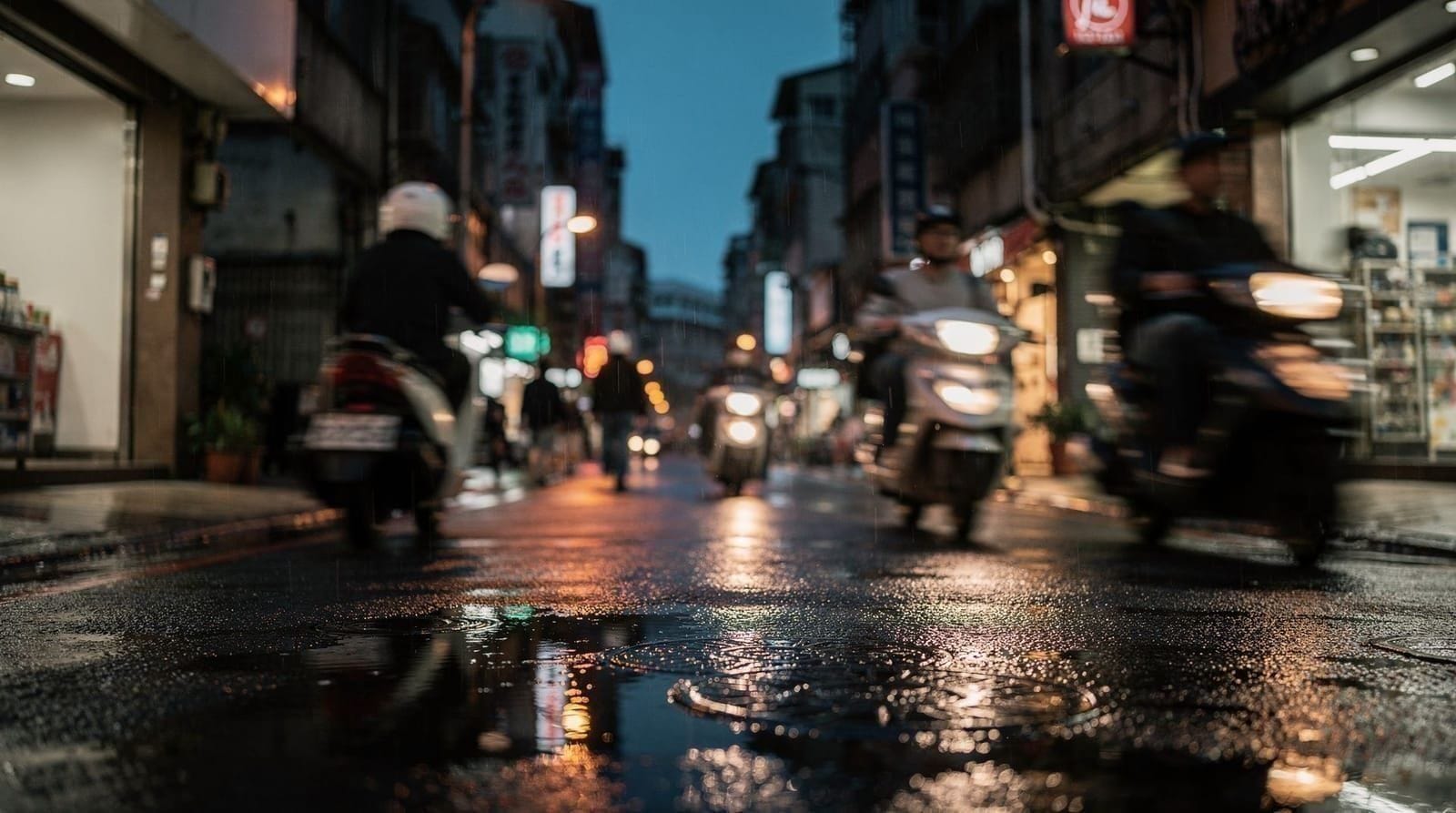
Good news first: Taipei is not a city with predatory tourist-targeting culture. Compared to Bangkok (gem scams, tuk-tuk overcharges), Istanbul (carpet shop pressure tactics), or Bali (fake police, “broken meter” taxis), Taipei is remarkably straightforward. Taxi drivers use meters, restaurants charge menu prices, and nobody is going to drag you into a shop while claiming it’s a cultural experience.
The “traps” in Taipei are softer: inflated prices at specific tourist-adjacent venues, overcrowded attractions that don’t match their reputation, and a few standard ways visitors overpay without knowing cheaper alternatives exist. This guide covers all of them honestly.
| Worst offender | Shilin underground food court (30–50% pricier than street stalls) |
| Biggest time-waster | Taipei 101 Observatory, weekend 1–5pm |
| Real scam risk | Very low — pickpockets in dense crowds only |
| Easiest fix | Walk one block off the main tourist row |
| Where value is genuine | Taipei Zoo, National Palace Museum, MRT day pass |
Night markets: the Shilin inflation problem
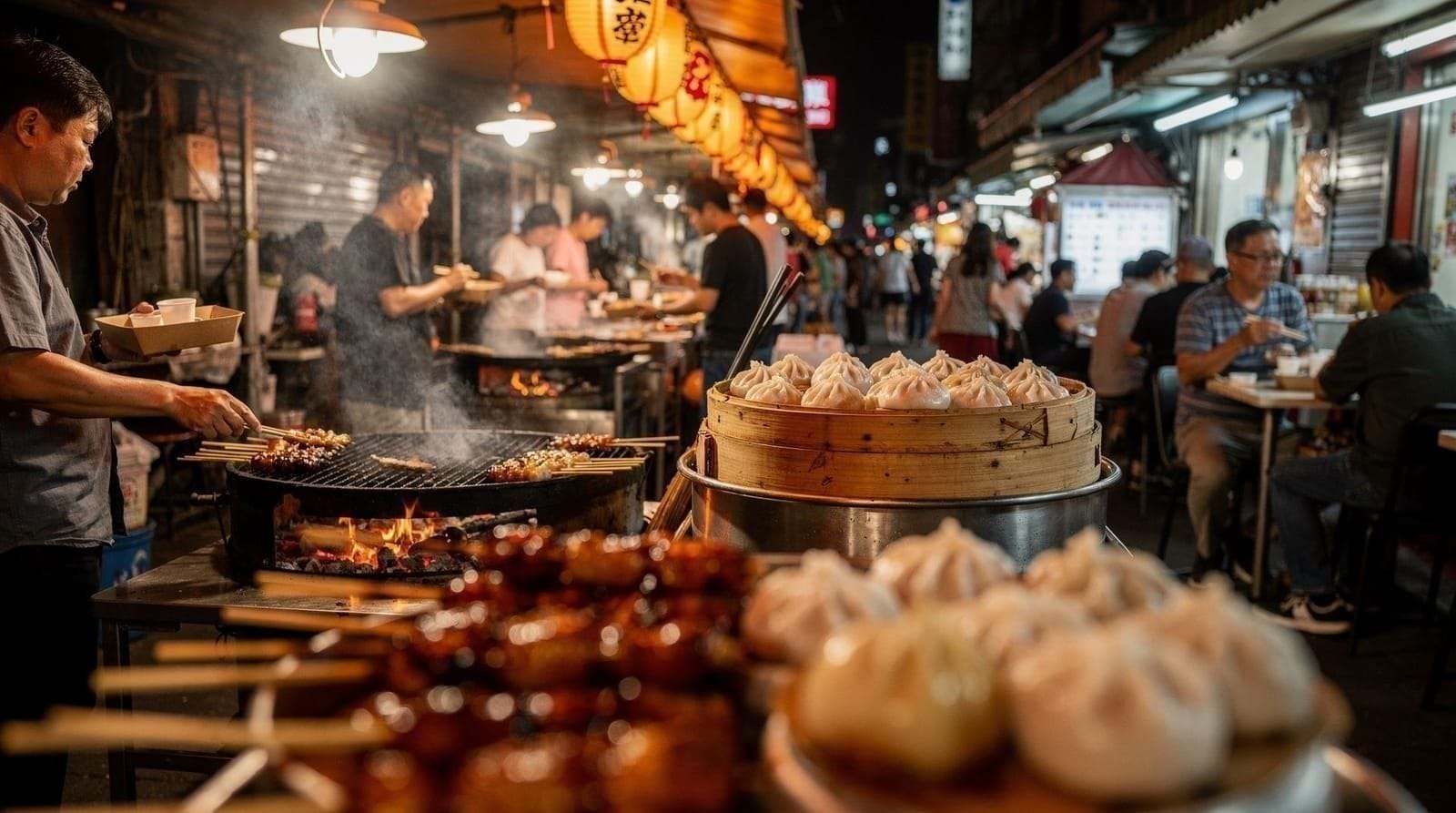
Shilin Night Market (士林夜市) is Taipei’s most famous night market — and the one most likely to deliver underwhelming value.
The specific problem is the underground food court (地下美食區). In 2011, the original Shilin food stall area was moved into a purpose-built underground facility. The relocation created a more hygienic (and warmer, more crowded) environment while increasing prices significantly. Items that cost TWD 50–80 at a street stall outside cost TWD 80–150 in the food court.
The atmosphere underground is also inferior: fluorescent lighting, cramped seating, and a theme-park quality that doesn’t match the authentic night-market experience.
The fix: Visit Shilin for the experience (it’s still genuinely large and varied), but eat at the street-level stalls outside the building on Danan Road and nearby streets. The original vendors who refused to move underground are generally better value and more interesting.
Better night market alternatives
- Raohe Night Market (饒河街觀光夜市): Shorter (about 600m), more local in character, not overrun with tour groups. The pepper pork bun (胡椒餅) at the entrance — baked in a charcoal oven — is one of Taipei’s genuinely excellent street foods. TWD 65.
- Linjiang Night Market (臨江街觀光夜市, Tonghua): Residential character, narrower and more intimate. Good for people who find Shilin overwhelming.
- Ningxia Night Market (寧夏觀光夜市): Near Zhongshan, traditional Taiwanese fare focus, older clientele, lower tourist density.
For a full comparison, see our night markets guide.
If you can only fit one market into your trip, the Shilin vs Raohe comparison helps you choose, and the Shilin district page explains what else is nearby. For what to actually order once you are there, our best night market foods blog post is a good companion.
Taipei 101 Observatory: peak-hour problem
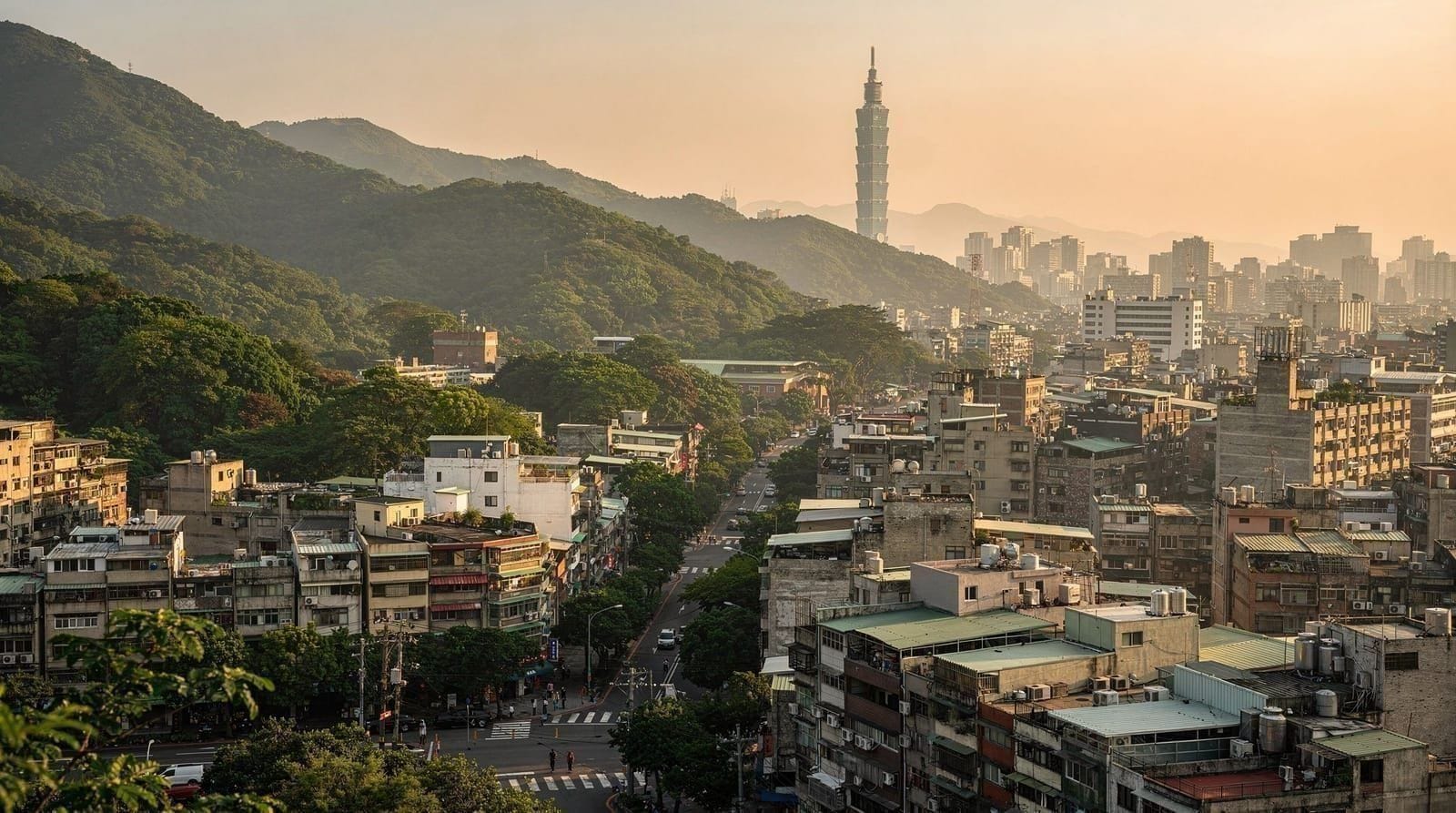
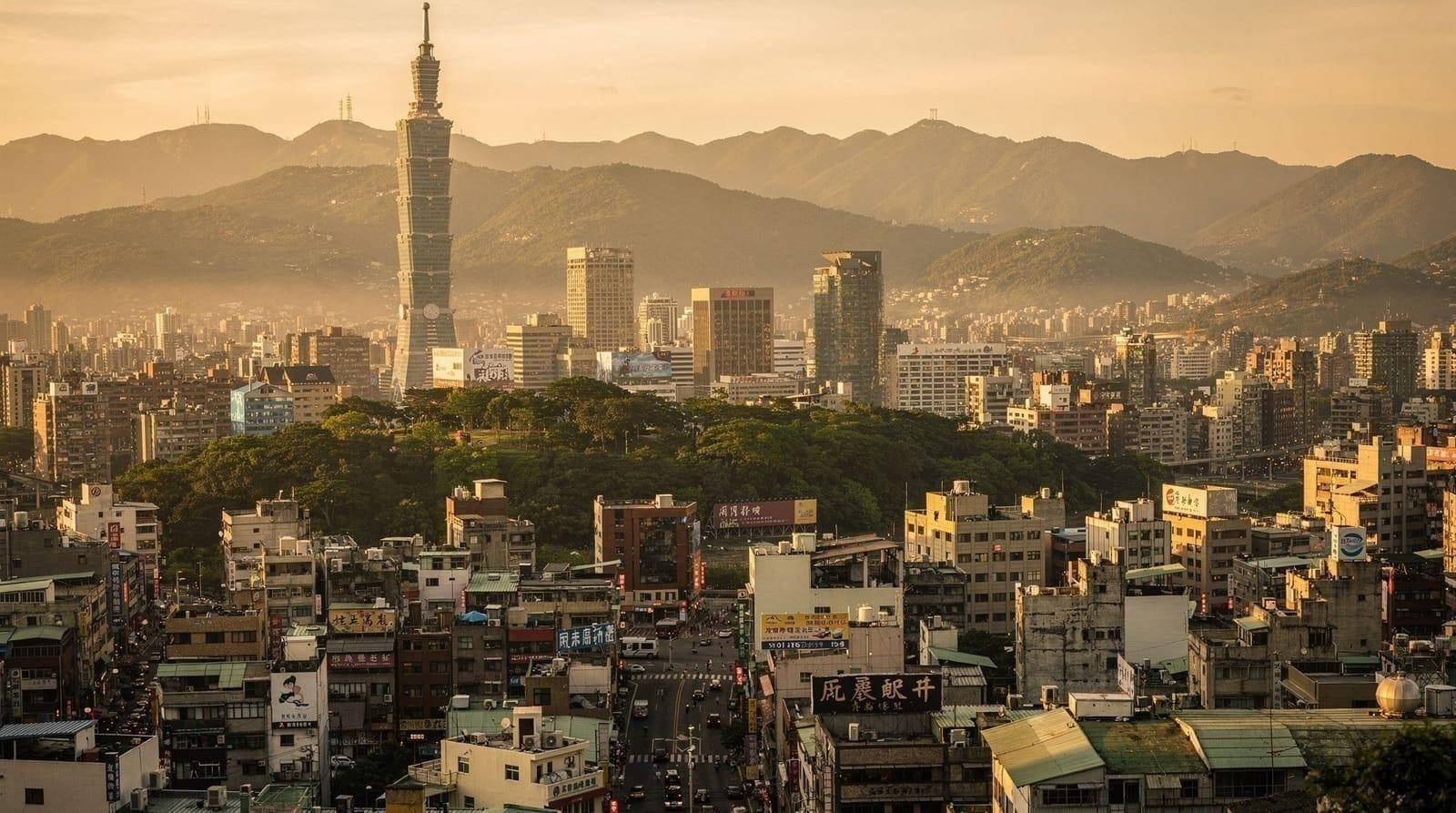
The Taipei 101 Observatory on the 89th floor is a legitimate attraction — the view encompasses central Taipei and on clear days extends to the mountains. Entry costs TWD 600 (€16, ~USD 19).
The trap: visiting between 1–5 pm on weekends. The observatory fills with tour groups, visibility from the windows is compromised by body heat and crowds, and the queues for the elevator can run 20–40 minutes. The “experience” under these conditions is genuinely poor value for TWD 600.
How to do it well:
- Visit on a weekday morning (10–11 am) or evening (7–9 pm) when crowds thin significantly.
- Check visibility beforehand — Taipei’s humidity means frequent hazy days. The observatory is most impressive on days with an air quality index below 50 and wind clearing the city basin.
- Consider skipping the observatory and eating instead at the food court on floors B1-B2 or the restaurants on floors 85–86. The food quality is excellent and the building experience is partially captured without the entry fee.
The damper ball on floor 89 (a 660-tonne steel sphere on suspension that stabilizes the building during earthquakes and typhoons) is genuinely interesting and seen for free as part of the observatory visit.
If you do decide to go up, booking ahead is the simplest way to keep the visit calm: a pre-booked observatory entry that lets you bypass the ticket queue means you arrive, show your code and head straight to the elevator, which matters most on the busy weekend slots described above.
The Jiufen queue problem
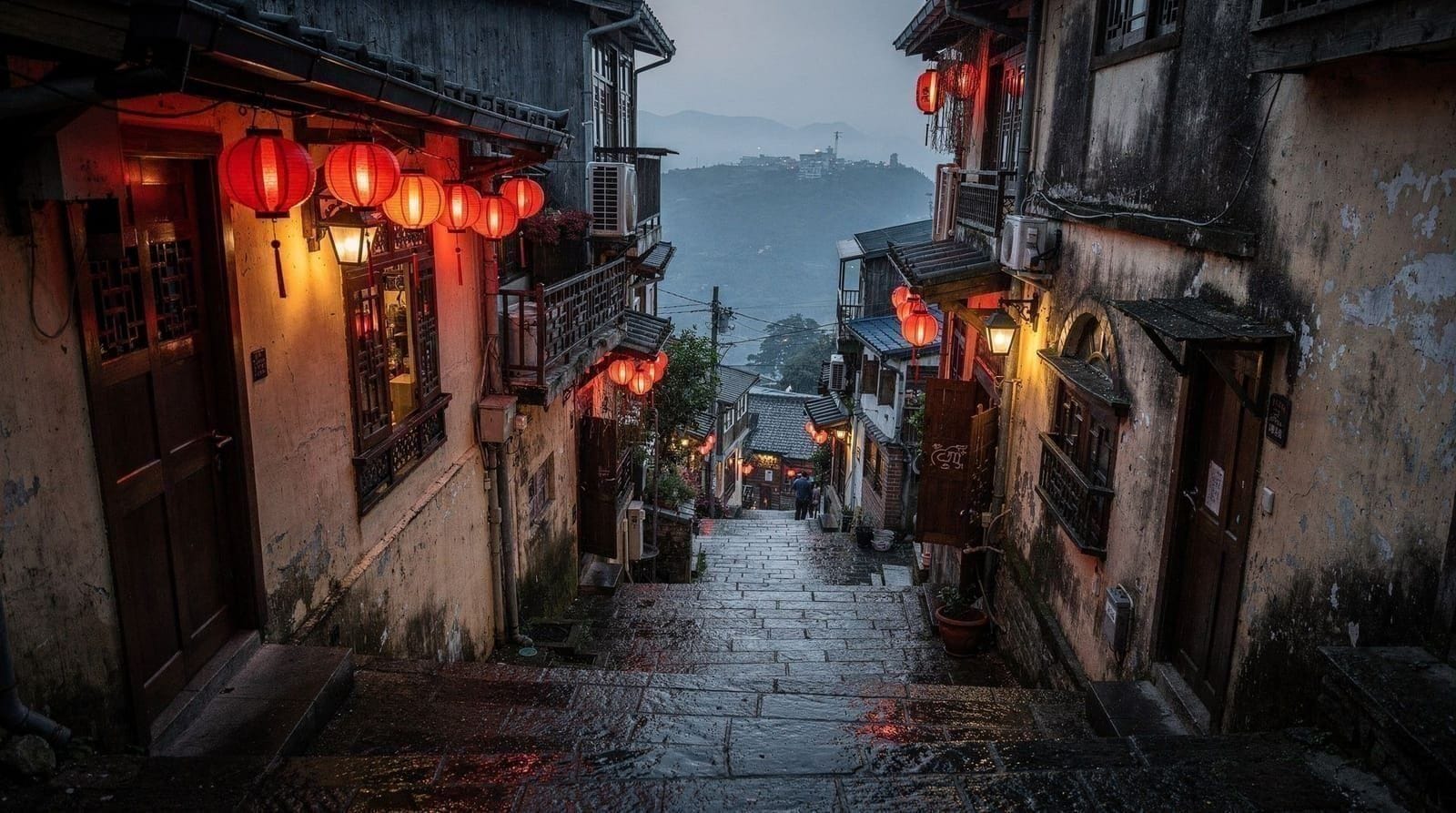
Jiufen is genuinely beautiful and worth visiting. The traps are specific:
The A-Mei Teahouse queue: On weekend afternoons, the queue for a terrace seat at A-Mei Teahouse (阿妹茶樓) runs 30–60 minutes. The tea is decent but not at the level that justifies queueing for an hour. Solution: visit on a weekday or go in the morning. Alternatively, visit one of the smaller teahouses 50 metres further along the same alley with better tea and no queue.
Souvenir pricing: The Old Street (基山街) is lined with souvenir stalls selling items at tourist margins. A decorative tin of “Jiufen tea” costs TWD 300–800 for what is usually generic tea in attractive packaging. Buy tea directly from a Pinglin farm shop or a Dadaocheng merchant if that’s your goal.
Taxi negotiation trap: The ride from Ruifang Station to Jiufen is approximately TWD 200–250 by meter. Some drivers at the Ruifang taxi stand quote flat rates of TWD 350–400 when tourist density is high. Politely ask for the meter or check the queue for drivers who offer meter rides.
If the Jiufen crowds put you off, Jiufen vs Shifen explains how the two towns differ, and our Jiufen day trip guide covers timing and routing so you avoid the worst of the queues. The Taipei to Jiufen transport guide also lays out the options that don’t depend on a taxi stand quote, and the Jiufen at night post shows why an evening visit can feel completely different from the afternoon rush.
Overrated sights: honest ratings
Chiang Kai-shek Memorial Hall
The CKS Memorial Hall is a significant landmark and the changing of the guard ceremony is well-choreographed and impressive. The problem: the vast esplanade surrounding it is completely dead outside ceremony times — an enormous empty concrete plaza with no shade, no seating, and very little to look at. The ceremony happens on the hour; arriving without coordinating to see it leaves visitors walking around a giant parking lot.
Worth it: Yes, for the ceremony (check times, go specifically for it, 10 minutes is enough). Worth wandering: No.
Yehliu Queen’s Head
The Queen’s Head rock formation at Yehliu Geopark is remarkable — a mushroom-shaped stone formation created by centuries of differential erosion. The problem: a protective barrier now encircles it, making the famous “tourist standing next to the Queen’s Head” photo impossible. The viewpoint for the iconic image requires patience and positioning.
Worth it: Yes, Yehliu as a whole (the full geopark has fascinating rock formations beyond just the Queen’s Head, and the coastal scenery is excellent). The specific photo: Harder than it looks in the photos you’ve seen.
Xinyi Luxury Shopping District
The Xinyi District around Taipei 101 has SOGO, Shin Kong Mitsukoshi, Vieshow cinema, and high-end restaurants. The shopping is genuinely good for those who want it. For travelers not interested in shopping, the area has limited appeal — it’s Taipei’s most expensive neighbourhood with little cultural distinctiveness. The walking street between the malls is pleasant but not memorable.
Things that are genuinely worth the price
Taipei Zoo (TWD 100): Among the best zoo values in Asia. Extensive grounds, excellent animal collection, genuinely pleasant experience.
National Palace Museum (TWD 350): One of the world’s great art and cultural museums. The Jadeite Cabbage and Meat-shaped Stone alone are worth the trip; the broader collection of Chinese imperial artefacts across 8,000 years is extraordinary.
MRT day pass (TWD 150 for 24h): The MRT is clean, air-conditioned, on time, and covers virtually all of central Taipei. The day pass pays off in any day with 5+ rides.
Day-trip tours to Jiufen/Shifen/Yehliu: While individual components have inflated tourist pricing at some points, the overall tour value (organised transport across multiple sites) is competitive with the DIY alternative. See our tour vs DIY guide.
Things visitors overpay for without realising
Bottled water
Taipei’s tap water is officially drinkable after boiling; most hotels provide a kettle. Buying individual bottled water at convenience stores (TWD 20–30 per 500ml) adds up. Bringing a refillable bottle and using hotel filtered water saves money.
Currency exchange at the airport
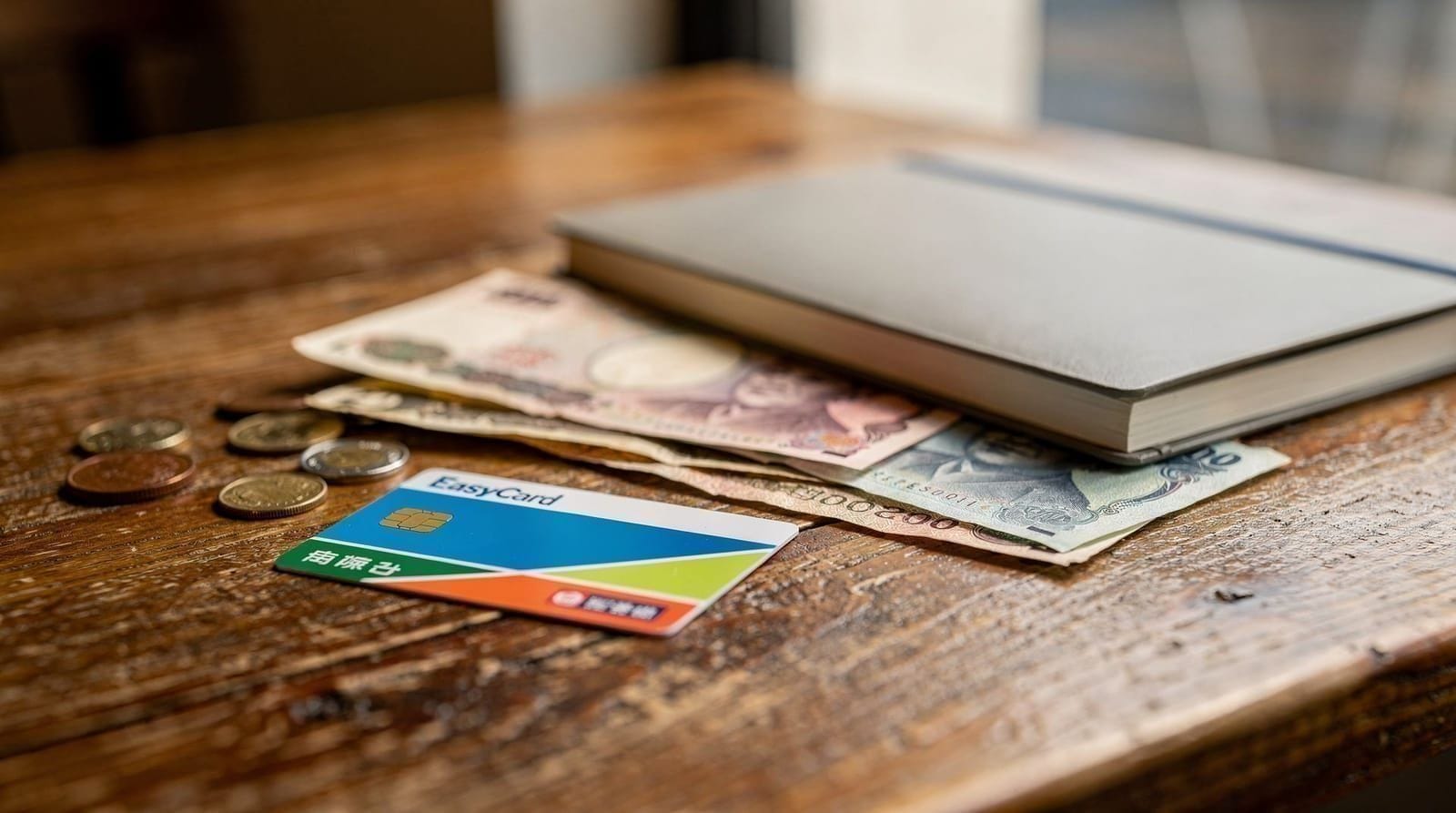
Airport exchange rates at Taoyuan are typically 3–5% worse than rates in central Taipei. Exchanging enough to cover your taxi or MRT on arrival is sensible; changing large amounts at the airport is not.
”Authentic” Taiwanese souvenirs in tourist shops
Sun Moon Lake tea, Alishan oolong, and High Mountain oolong in decorative packaging sold at tourist-area shops and airport gates typically run TWD 500–1,500 per 75–100g. The same tea from a Dadaocheng merchant or Pinglin farm shop costs 30–60% less for comparable or superior quality.
The “tourist experience” economy in Jiufen, Shifen, and Yehliu
Most of Taipei’s major day-trip destinations have a portion of their commercial activity oriented specifically at tourist expectations — the lantern stalls at Shifen, the souvenir shops at Jiufen, the ice cream vendors at Yehliu. This is neither a scam nor a trap; it’s simply vendors selling to their market.
The question is whether you’re getting value. Sky lanterns at Shifen (TWD 150–200) are genuinely good value for the experience. A decorative Shifen lantern magnet souvenir (TWD 100–200) is equivalent to souvenir pricing worldwide — overpriced, but not unusual.
The key skill is distinguishing between overpriced-but-understood (tourist souvenirs at tourist prices) and genuinely-misleading (claiming “locally sourced” for factory-made products, or inflated prices hidden by confusing menus).
In Taipei, the latter is rare. Most tourist commercial activity is legible and honest about what it is.
Elephant Mountain: the sunset crowd trap
Elephant Mountain has become one of Taipei’s most photographed viewpoints — the classic shot of Taipei 101 framed by rocky outcrops at golden hour. The trap isn’t pricing (the trail is free), it’s timing: the six best viewpoint rocks fill up 45–60 minutes before sunset on clear evenings, and latecomers end up photographing the backs of other tourists’ heads.
Arrive at least an hour early, or go at sunrise instead — the light is nearly as good and the platform is empty. The climb itself (roughly 20 minutes of stairs) is genuinely worth doing regardless of crowd management. Bring a headlamp or phone light if you’re descending after dark — the trail lighting on the lower steps is inconsistent, and the steepest section near the top has no handrail on one side.
Skip-the-line tickets: worth it or not
For Taipei 101 specifically, a pre-booked skip-the-line ticket removes the single biggest frustration of the visit — the weekend elevator queue — without changing the underlying price much.
Taipei 101 Observatory skip-the-line ticketFor the National Palace Museum, queues are rarely severe enough to justify a premium ticket, though a guided version adds context that’s genuinely useful for a collection this large — see our National Palace Museum guide for the honest breakdown of ticket types.
Beyond the individual sights, a little planning removes most of the friction described above. The Taipei MRT guide and the EasyCard guide explain how to move around without ever needing a taxi negotiation, and the Yehliu Geopark guide gives practical advice for handling the Queen’s Head crowds. If you want a ready-made route that sidesteps the weak spots, the 3-day Taipei itinerary is built around exactly that kind of honest sequencing, and the Taipei scams and overrated guide goes deeper on the same theme.
How Taipei compares to other tourist-trap cities
If you’ve traveled in Southeast Asia or elsewhere in Asia recently, it’s worth recalibrating expectations. Our Taipei vs other Asian cities guide covers this in detail, but the short version: Taipei’s “traps” cost you money on specific purchases, not your safety or your itinerary. For a broader honest read on the city before you commit to a trip, see is Taipei worth visiting, and for stretching a budget further, our Taipei on a budget guide and best street food guide cover the value side directly.