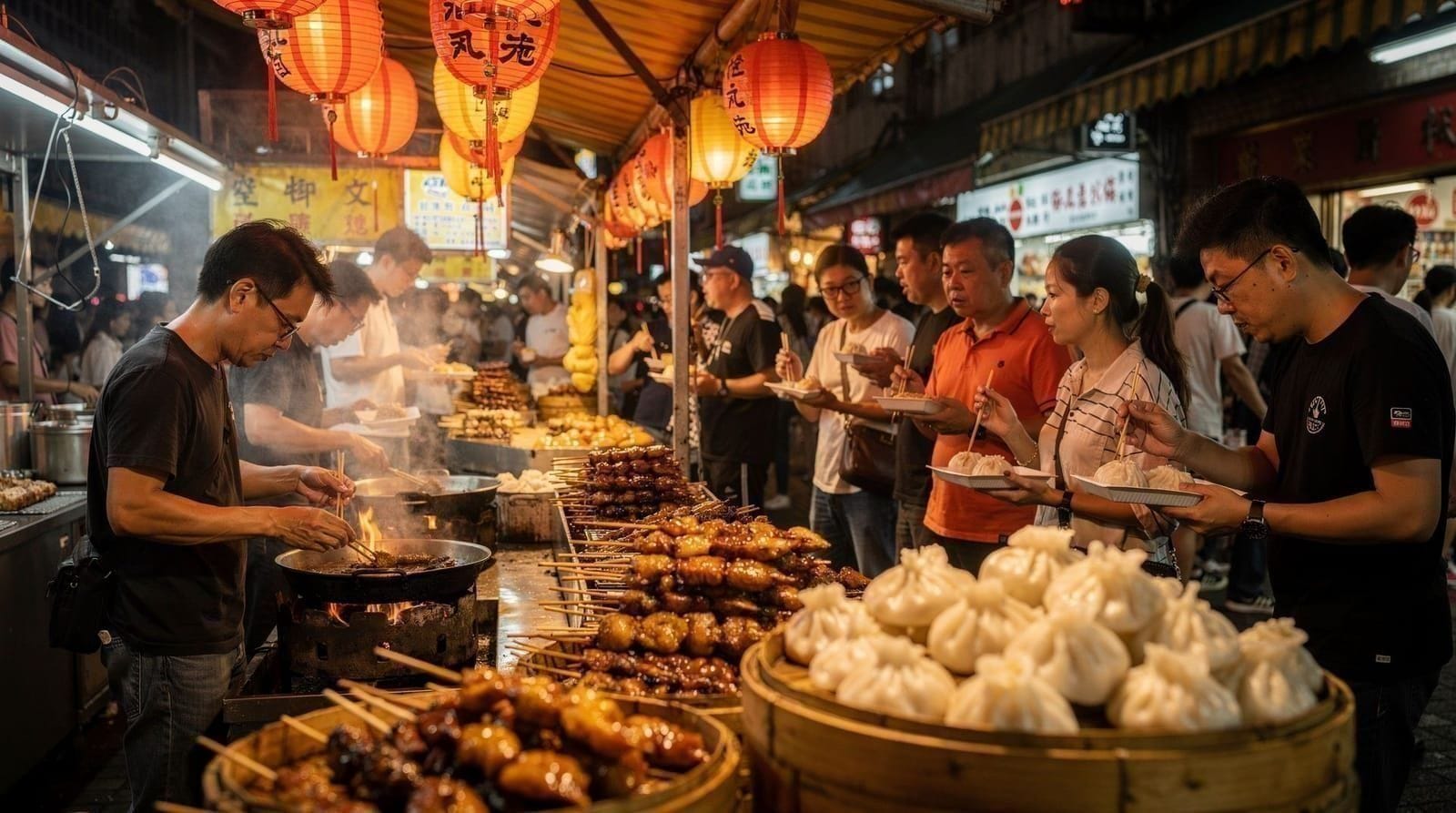
Ximending guide — what to do, eat, and skip
Taipei: Street food hidden eats night market food tour
Duration: 3 hours
Is Ximending worth visiting in Taipei?
Yes, for an afternoon or evening. Ximending is Taipei's most energetic pedestrian district — good street food, youth fashion, and the historic Red House. Skip the overpriced tourist-facing stalls and focus on the smaller side alleys for better value.
What Ximending actually is
Ximending is not a night market in the classic sense. It is a pedestrianized entertainment district — roughly 10 square blocks — that has been drawing Taipei’s youth culture since the 1950s. Today it mixes street food vendors, fashion shops, cosplay stores, cinema complexes, and the historic Red House into a dense, photogenic grid that operates seven days a week.
The name means “West Gate” — a reference to the Qing-era gate that stood here before the Japanese colonial government demolished it to build a more grid-friendly city plan. The Japanese built the Red House (1908) and the pedestrian commercial zone that became Ximending.
For tourists, the district serves several functions: it is accessible (two MRT lines), reliably busy, cheap to eat in (if you pick the right stalls), and central enough to combine with Wanhua’s Longshan Temple or Dadaocheng.
| Where | Ximen MRT (Red/Green lines), west-central Taipei |
| Best time | Weekday evening, 18:00–21:00 |
| Cost to eat well | NT$150–300 for a full evening of street food |
| Combine with | Longshan Temple (15 min walk) or Dadaocheng |
| Avoid | Saturday afternoon in summer; before noon (shops closed) |
Getting there
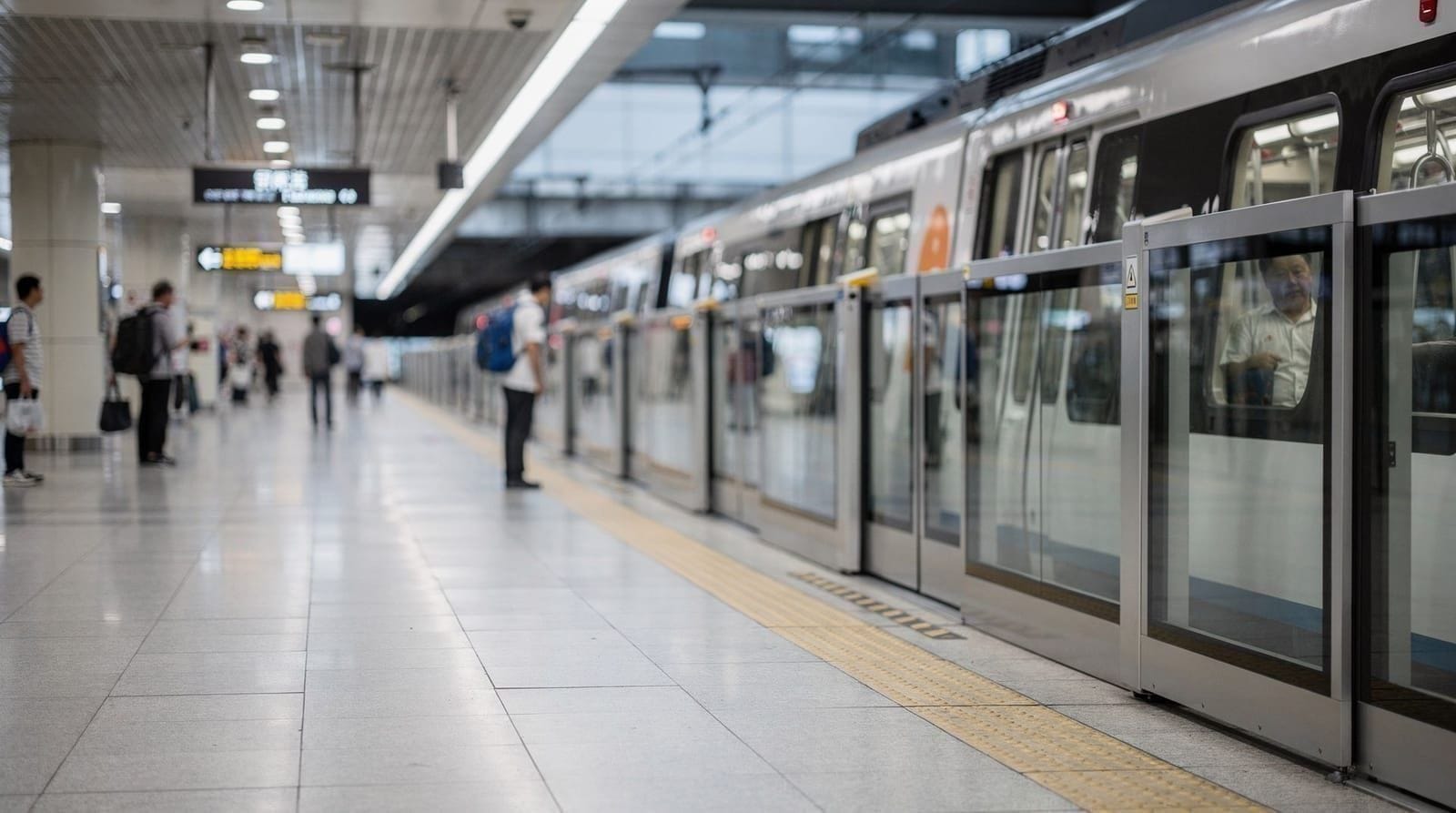
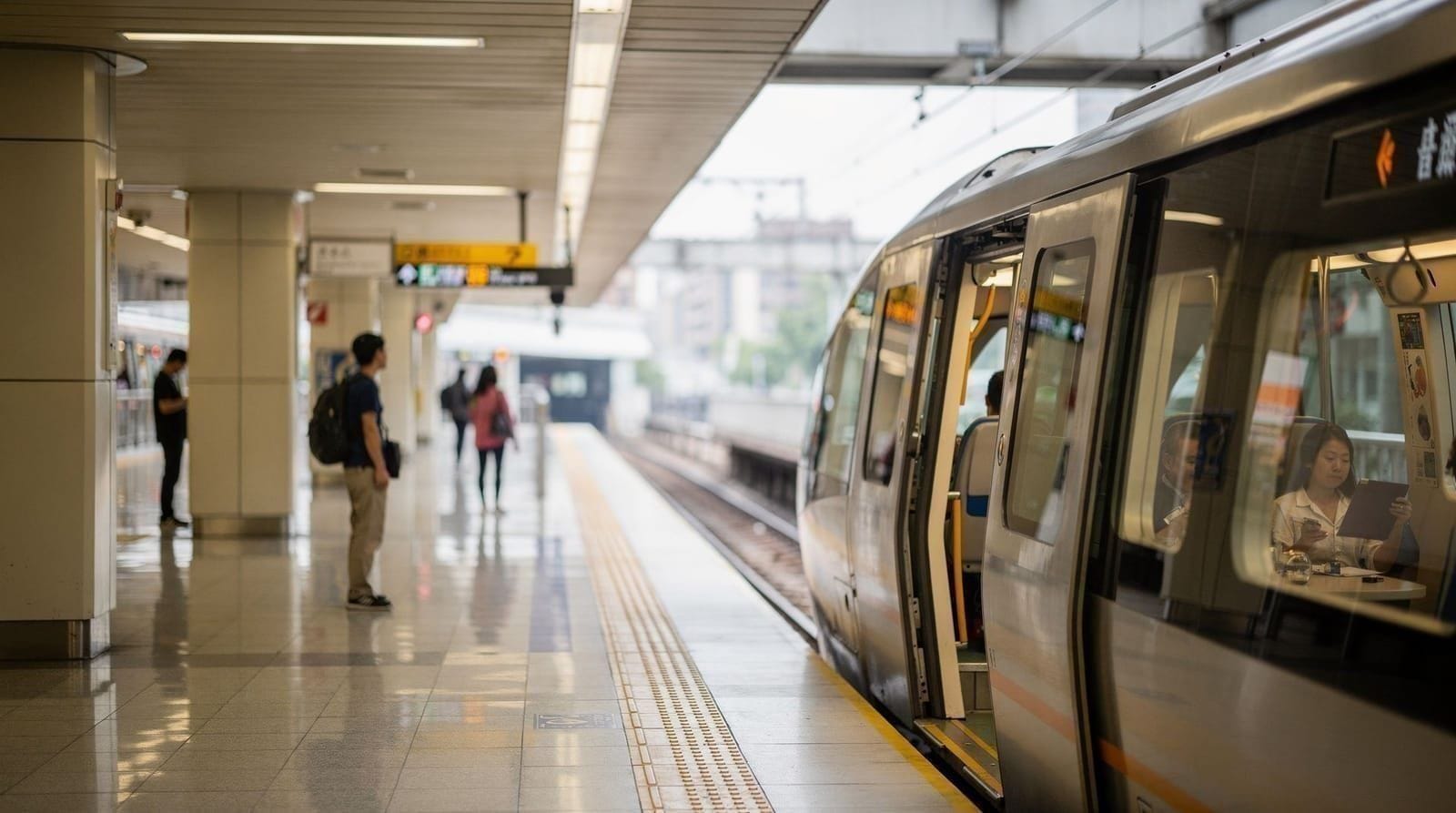
MRT: Ximen Station (Red Line and Green Line). Take Exit 6 for the main pedestrian zone. Walk 2 minutes.
Walking from Taipei Main Station: 15 minutes on foot, or one MRT stop (NT$20).
Bus: Multiple routes stop on Zhonghua Road, one block east of the main pedestrian area.
The Red House — the best fixed point
The Red House (Ximen Red House, formally the 西門紅樓) is a Japanese-era octagonal building from 1908, originally a public market. Its brick exterior and clean proportions make it visually distinct in a neighborhood otherwise defined by LED signage.
Inside: contemporary exhibitions and events space (ground floor changes regularly, free entry). Behind the building: a terrace of bars and coffee shops that is Taipei’s most established LGBTQ+-friendly social space. The atmosphere on weekend evenings — outdoor tables, fairy lights, a relaxed crowd — is genuinely pleasant without any of the intensity of the surrounding streets.
Hours: Tuesday–Sunday 11:00–21:30 (Thursday–Saturday until 22:00). Closed Monday.
Food in Ximending — where to eat, where to skip
What is genuinely worth eating:
Ay-Chung Flour-Rice Noodle (阿宗麵線) is the line you see immediately entering the district from Exit 6 — thin rice noodles in a thick oyster-and-intestine broth, sold in small bowls for NT$50–60. Standing eating, chopsticks in both hands, uncomfortable and excellent. Open daily, 10:00 until late.
Smoothie House (思慕昔) on Zhonghua Road: papaya milk, aiyu jelly drinks, and fruit smoothies made to order. Not cheap by Taiwan standards (NT$100–160) but genuinely good and busy with locals.
Ningxia Night Market is 30 minutes north by MRT and a better night market experience — but for a quick snack in Ximending, the stall selling scallion pancakes (葱油餅) near the side alleys off Chengdu Road (multiple sellers, just walk toward the smell) delivers better value than the main street vendors.
What to skip:
The overtly touristic stalls on the main pedestrian axis — oversized bubble tea cups, rainbow-colored bao, “Taiwan famous food” signs in English, NT$200 hot dogs — are priced for tourist margins. Walk one block off the main axis and prices drop immediately. The food quality goes up in the same movement.
Shopping in Ximending
Ximending’s retail is a layer cake. The main pedestrian street has international fast fashion (Uniqlo, H&M, Nike flagship). The alleys branching off it have secondhand clothing, vintage sneakers, local streetwear labels, and cosplay accessories.
For cosplay gear and anime merchandise, the stretch on the north side of the district (near Chengdu Road) is the most concentrated. Tokyo street fashion has heavily influenced local brands; some of the small independent labels are interesting if you are looking for something that does not exist in your home city.
Practical note: bargaining is not common in established shops. Markets and temporary stalls sometimes respond to it, but do not assume.
Longshan Temple — combine with Ximending
Wanhua’s Longshan Temple is a 15-minute walk south of Ximending (or one short taxi ride). It is one of Taipei’s most important temples and a completely different experience from the commercial bustle of Ximending. See the Longshan Temple guide for what to expect inside.
The logical half-day: Ximending from 18:00 (food, people-watching, Red House), dinner on the side streets, then Longshan Temple at 20:00 when evening ceremonies are active and the incense smoke is thickest.
Timing your visit
Best time: Weekday evening from 18:00. The district comes alive as the working day ends. Crowds peak between 19:00 and 21:00.
Avoid: Saturday afternoon in summer. The combination of peak tourist season and weekend locals creates genuine crush conditions in the main pedestrian area. If you must come on a weekend, start at 17:00 before the density peaks.
Morning visits: Ximending before noon is a ghost town. Most shops open at 12:00 or later. Morning visitors will find closed shutters and cleaning crews.
Ximending as a base for accommodation
Ximending is one of Taipei’s better budget bases. Hostels on Zhonghua Road and the nearby alleys start at NT$400–600 for dorm beds, NT$900–1,600 for private rooms. The accommodation quality has improved significantly in the last five years.
MRT access is excellent (Red + Green lines from Ximen Station). The regional train connection from Wanhua Station — a 10-minute walk west — is an underused option for reaching Jiufen and Shifen without changing at Taipei Main.
Read more: Where to stay in Taipei
The street food geography — where exactly to walk
Walking straight into Ximending from Ximen MRT Exit 6 puts you on the main pedestrian axis (Ximending Pedestrian Zone, 西門徒步區). This is the most-photographed, most crowded strip. It is worth walking once; you do not need to stay.
The more interesting geography:
Chengdu Road alley section (north side of the district): This is where the anime shops, manga rental cafes, and cosplay accessory stalls concentrate. Narrower streets, less polished, more interesting for browsing.
Zhonghua Road and its lane network (east side): These alleys have secondhand record shops, vintage clothing sellers, and small local restaurants that do not cater primarily to tourists. The quality of food here is noticeably higher per dollar than the main pedestrian zone.
Emei Street (running north-south, parallel to the main axis): Quieter than the core, with a higher density of hair salons, small tattoo studios, and local breakfast spots that open early. Good for a morning observation of neighborhood life before the crowds arrive.
Behind the Red House: The terrace bars set up on the west side of the building from around 19:00. These are properly run cocktail bars and cafe-bars, not stalls. The crowd skews older and more local than the pedestrian zone. You do not need to purchase anything to walk through the terrace, though a drink is expected if you sit.
Entertainment and nightlife
Ximending has a significant nightlife component beyond the food and street shopping.
Cinemas: Multiple multiplex cinemas operate in the district (Vieshow Cinemas on Chengdu Road, CityLink Ximen). Most show international releases within 1–2 weeks of global release, in the original language with Chinese subtitles. Evening showtimes from 18:00–23:00. Tickets NT$280–380.
Karaoke: The Japanese-style KTV (karaoke box) is huge in Taiwan. Ximending has several chains — Party World (錢櫃, Qiangui) and Cashbox (卡拉OK) are the two most common. Private room karaoke runs approximately NT$200–350 per person per hour, including a fruit platter. You need a group to make it work. The experience is genuinely local and sociable.
Arcades: Several multi-floor arcade complexes operate in Ximending. These are not the quarter-machine arcades of Western shopping malls — they include competitive crane games, rhythm game machines (the type with elaborate controller panels), racing simulators, and claw machine floors. If you can invest NT$100–200 in crane game credits, this is an unexpectedly engaging 45-minute stop.
Massage and foot reflexology: Street-level massage shops (NT$400–600/hour for a Thai massage, NT$200–350 for a 30-minute foot reflexology session) are concentrated on the alleys off the main pedestrian zone. Quality is variable; look for shops with prices clearly posted, a visible interior, and actual foot massage chairs rather than just promotional photos.
What locals actually do in Ximending
The tourist version and the local version of Ximending coexist with minimal friction. What young Taiwanese come here for:
New film releases: The multiplex cinema culture is strong. Queuing for a popular opening weekend is a social activity. The adjacent bubble tea run before or after is expected.
Group food runs: A group of university friends coming to Ximending to try a specific new stall or return to a favorite one is common. The food culture is deliberately experimental — new stalls appear and disappear seasonally.
Taichi and the 60s crowd, early morning: Before 09:00, elderly residents do exercises in the small squares in and around the pedestrian zone. By 10:00, this has entirely been replaced by a different demographic. The contrast — quiet morning tai chi, loud afternoon commerce — is a characteristic Taipei temporal shift.
Photography at night: The neon, the crowds, and the architectural density make Ximending one of Taipei’s most photogenic after-dark locations. Locals and tourists both come to photograph; the street performance scene (buskers, street dancers on the main pedestrian axis on weekend evenings) provides additional subject matter.
Day logistics
Ximending works well as an add-on to Dadaocheng (30-minute walk along the riverfront or 15 minutes by MRT). The combination of Dadaocheng’s preserved colonial merchant streets in the afternoon and Ximending’s food and Red House in the evening gives a coherent arc of Taipei’s western districts.
Half-day Ximending + Longshan sequence: Arrive at Ximen MRT at 18:00, browse the pedestrian zone and Red House terrace until 19:30, then walk 15 minutes south to Longshan Temple for the evening ceremony. Return to Ximen or Wanhua MRT by 21:30. This is a good pace that avoids both midday heat and very late night noise.
Ximending to day-trip train: Wanhua Station (台北地下車站西門, on Zhonghua Road, a 10-minute walk west) is Taipei’s western suburban rail station. Regional TRA trains from here go directly to Banqiao and onward south — occasionally useful as an alternative to the Taipei Main Station crowds for Taichung-direction HSR connections. It does NOT serve Jiufen/Ruifang direction.
For transport across the rest of the city, Ximen Station’s connection to the Red Line (Taipei Main, Zhongshan, Beitou direction) and the Green Line (Daan, Xinyi direction) covers most tourist destinations.
Practical tips for a smoother visit
Cash vs. card: Most street stalls in Ximending are cash-only; the fast-fashion shops and cinemas take cards. Carry NT$500–1,000 in small notes for an evening of food and browsing.
Restrooms: Public restrooms are available inside the Red House and at Ximen MRT station itself; both are free and reasonably clean, useful to know since street-level options are limited on the pedestrian axis.
Rainy-day Ximending: The covered arcades along the main pedestrian street and the Red House’s indoor exhibition floor make Ximending a workable rainy-day option, unlike open-air night markets, which lose much of their appeal in heavy rain.
Where Ximending fits in a wider Taipei trip
Ximending works best as one chapter, not the whole book. If this is your first visit to the city, the Taipei first-timer guide shows how a lively evening here balances the quieter, more scenic days. The wider Ximending and Wanhua area page covers the neighborhood beyond the pedestrian grid, and the Taipei destination overview places it on the map of the whole city.
If street food is the reason you came, read the best street food in Taipei guide alongside this one, then compare the evening options in the Taipei night markets guide. Anyone deciding between the big markets will find the Shilin vs Raohe night market comparison useful, since Ximending overlaps with both in spirit. The drink stalls here are a good excuse to read the Taipei bubble tea guide before you order.
A few practical companions: load an EasyCard before you arrive using the EasyCard guide, keep the Taipei tourist traps and scams and overrated sights pages in mind when the main axis gets tempting, and if you are watching costs the Taipei on a budget guide shows where a night out here fits. Traveling with children? The Taipei with kids guide helps you decide how much of the district suits them.
Frequently asked questions about Ximending
Is Ximending safe at night? Yes. It is one of the safest entertainment districts in Asia. The crowds themselves create safety — the area is busy until 23:00 most nights and well-lit throughout. The only caution is the peripheral Wanhua streets west of Zhonghua Road late at night, which have an older adult entertainment character.
Is Ximending good for families? The daytime version (12:00–18:00) is family-appropriate. Arcades are popular with teenagers. The evening bar terrace at the Red House and the later-night crowds are less suited to young children.
What is the best food in Ximending? Ay-Chung Noodles (麵線) is the most famous; Smoothie House is genuinely excellent; Lao Shan Dong Homemade Noodles (山東老店, on Zhonghua Road) is a 60-year-old institution serving hand-pulled noodles for NT$80–120. Skip the oversized novelty food items on the main pedestrian strip.
How much time should I budget for Ximending? Two to three hours covers the pedestrian zone, the Red House, and a proper meal without rushing. Add another hour if you’re combining it with Longshan Temple or want time browsing the Chengdu Road alley shops.
Is Ximending walkable from Taipei Main Station? Yes — it’s a flat 15-minute walk, or one MRT stop (NT$20). Many visitors walk it once just to get a feel for the connecting streets, then take the MRT on the way back.
Street food and hidden-eats tour covering Ximending and neighborhood marketsCheck availabilityFor the full Taipei neighborhoods picture, see our district-by-district breakdown. For a structured plan that includes Ximending as part of a multi-day itinerary, see the Taipei itinerary guide.
Private Taipei food tour with 10 tastings across the city’s best stallsCheck availabilityTop experiences
Bookable activities with verified prices and instant confirmation on GetYourGuide.