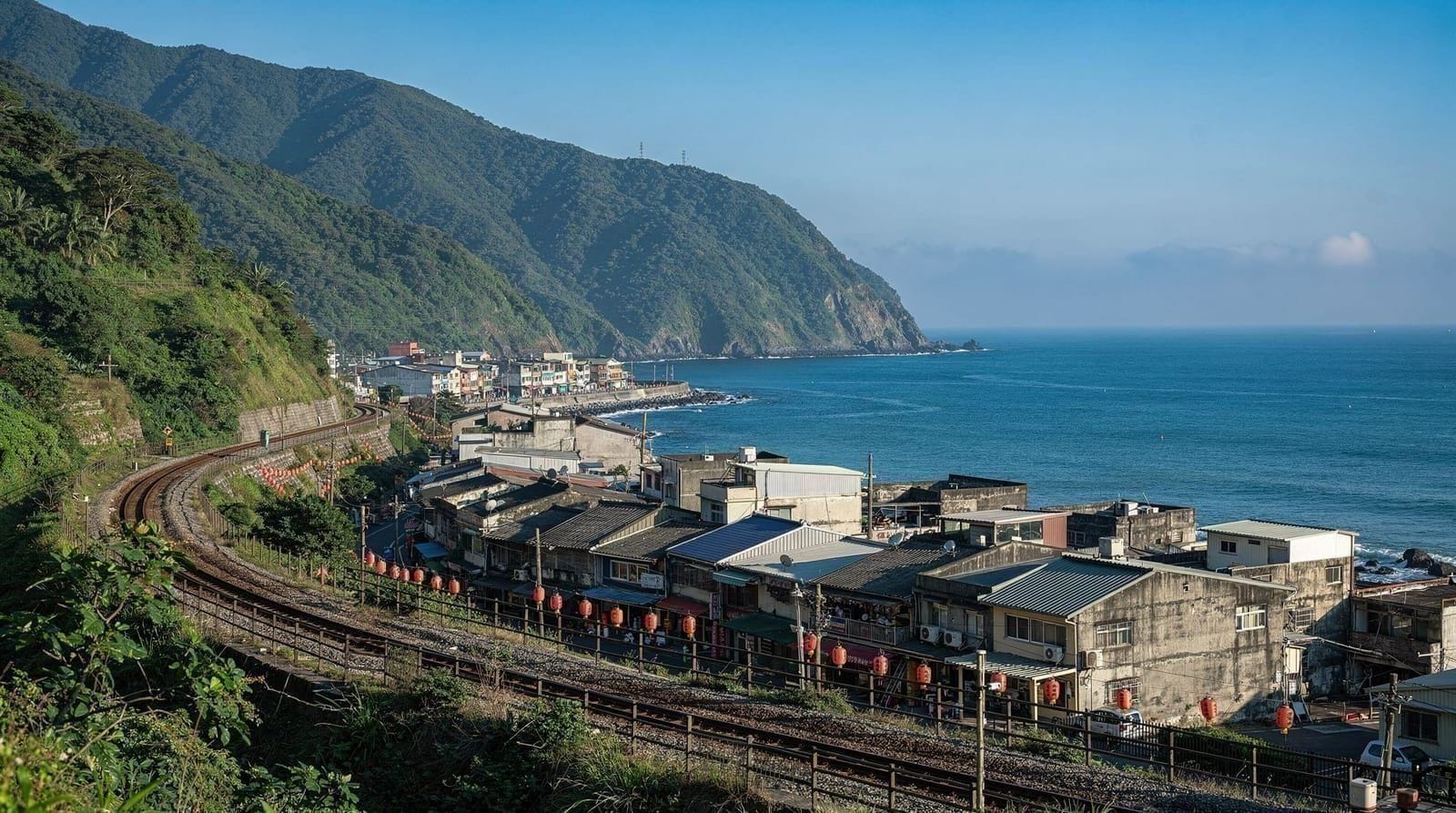
Houtong Cat Village guide — visiting Taiwan's famous cat village
Taipei: Jiufenshifen Houtong cat village private day tour
Duration: 7 hours
How do I get to Houtong Cat Village from Taipei?
Take the TRA train from Taipei Main Station to Houtong Station (45–55 minutes, NT$63). Trains run approximately every 30–60 minutes. Exit the station, cross the footbridge, and you are in the cat village immediately. Entry is free.
What Houtong actually is
Houtong (猴硐) is a former coal-mining village on the Keelung River in New Taipei City, about 45 minutes by train from Taipei Main Station. Coal mining here ran from the early 20th century until the industry’s decline in the 1990s. For a decade after the mines closed, the village was depopulating.
Around 2008–2010, a group of local residents and volunteers began caring for the village’s feral cat population through a TNR (trap-neuter-return) program. Photos of the cats spread through online communities in Taiwan, Japan, and beyond, and Houtong became unexpectedly famous as a “cat village.” Tourism revived the local economy.
The cats are the draw. The mining heritage is genuinely interesting if you take time for it. The combination — a quiet riverside village with hundreds of semi-tame cats and preserved industrial history — is unusual enough that Houtong has maintained its appeal for over 15 years.
| Where | Houtong Station, on the TRA main line toward Ruifang |
| Cost | Free entry; train fare around NT$63 each way |
| Time needed | 2–3 hours |
| Getting there | TRA train from Taipei Main Station, 45–55 min |
| Best time | Weekday mornings for the fewest visitors |
See our Houtong destination overview for a wider look at the area beyond this practical guide.
Who Houtong suits best
Houtong rewards a particular kind of traveller. If your idea of a good day is wandering slowly, sitting on a step and watching the village go about its business, this is a very easy place to love. If you measure a day trip by the number of landmarks ticked off, it will feel thin. Knowing which camp you fall into before you board the train saves a lot of disappointment.
It is also a forgiving stop for people who are tired. After a few days of walking the city’s temples and night markets, a flat village with benches, a river and a lot of sleeping cats is a gentle change of pace. Travellers building a longer stay can slot it into a quiet day of a 3-day Taipei itinerary or use it as the easy day between two heavier ones in a 5-day plan.
Families and solo travellers both do well here. Couples often treat it as a slow morning before something more dramatic in the afternoon. Photographers tend to stay longer than they planned. For help judging how it fits with the rest of your trip, our first-timer guide to Taipei puts the day trips in context.
Getting there
Train from Taipei Main Station
TRA regional trains from Taipei Main Station to Houtong run approximately every 30–60 minutes (less frequent than the main Ruifang service — check the schedule). Journey time 45–55 minutes. Fare NT$63 by EasyCard or single ticket.
Houtong Station is a small unstaffed stop. The train announcement and electronic signs clearly indicate the stop.
From Houtong Station to the cat village
Exit the station and turn right (or use the enclosed walkway from the platform). A covered pedestrian footbridge crosses the Keelung River and deposits you directly into the cat village area. Total walk from train seat to first cat: about 3 minutes.
Return trains run until approximately 22:00–23:00 from Houtong. Check the schedule board at the station when you arrive.
Paying for the ride. An EasyCard makes the whole trip frictionless: tap in at Taipei Main Station, tap out at Houtong, and do the same on the way back. If you have not set one up yet, read our EasyCard guide before you leave. The same card also covers the MRT leg to and from your hotel, which is explained in the Taipei MRT guide.
Working out the timing. Because the regional trains are less frequent than the main Ruifang service, it pays to look at the timetable the evening before and note one departure out and one or two options back. Arriving with a rough plan means you never stand on the platform wondering whether you have just missed the last convenient train. If you would rather not think about train times at all, our comparison of tour versus DIY day trips helps you decide whether a guided day is worth it for you.
The village layout
South side of the river (station side): The main village commercial area. Cat-themed souvenir shops, small restaurants, and tea shops. The footbridge to the north side starts here.
North side of the river (cat village proper): The main residential area where most cats live. Several old mining-era houses remain inhabited. A clear walking path runs along the hillside — cats are everywhere along it, resting on walls, steps, and outdoor furniture.
Coal Mine Ecological Park (north side): A preserved section of the former Houtong Coal Mine’s sorting and processing infrastructure. Free to explore. Informational signs (English included) explain how the mining operation worked. The pit head structure, sorting conveyor frames, and processing buildings are still standing. This is the part most visitors rush past to reach the cats but is worth 30–45 minutes of attention.
The cats: what to expect
The resident cats range from very social (will approach and rub against you immediately) to shy (observe from a distance). Most sit in predictable spots — sunny wall tops, certain doorways, the footbridge railing — and do not move often. The best photography is usually just a matter of sitting quietly in a known cat spot and waiting for one to come to you.
Cat treats (sold in shops for NT$30–50 per packet) are the most reliable way to attract cats. Hold the treat in an open palm rather than pinching it between fingers to avoid accidental bites.
The best spots for cat encounters:
- The walkway between the footbridge and the heritage park (highest density)
- The steps behind the old station building on the north side
- The outdoor seating areas of the riverside café, where cats are accustomed to proximity to people
A note on respect: The cats are not props. Do not wake a sleeping cat, do not pick cats up unless they actively jump to you, and do not block a cat’s movement. The village cats are tolerant because they have been treated well — maintain that standard.
A slow morning, step by step
A good visit has a rhythm, and the village sets it for you. Start by walking from the station to the footbridge without stopping to photograph the first cat you see; there will be plenty more. Cross the river, then turn onto the hillside path and let the pace drop. Cats tend to gather where people have been kind to them, so the busiest stretches are usually near the houses and the walkway by the heritage park.
Spend the first part of your time simply looking. Notice which cats are awake, which are asleep and which are following the same sunny patch around the wall. Once you have a feel for the place, buy a packet of treats and look for a cat that is already watching you. Sit down, stay low and let it decide. This works far better than walking up to a cat with your phone raised.
Leave the heritage park for the middle of the visit. The change from soft fur to rusted metal and old concrete is a nice contrast, and it gives the village a moment to settle if a tour group has just passed through. Finish with a drink at the riverside café, where the cats are used to company and you can rest your legs before the walk back to the station.
Why the mining past matters here
It is easy to treat the Coal Mine Ecological Park as a detour, but it explains why the village looks the way it does. The narrow houses, the hillside paths and the position of the station all come from the mine. Standing beside the pit head and the sorting frames, you can picture a working community where the cats now sleep. That sense of continuity is what separates Houtong from a purpose-built attraction.
If you enjoy industrial history, you will find a similar thread elsewhere on the north coast. The old mountain town of Jiufen grew from a different kind of mining, and our Jiufen destination page shows how a former extraction town reinvented itself as a visitor stop. Comparing the two makes the whole region easier to understand.
Eating and shopping
Restaurants and cafés: Three or four small restaurants serve basic Taiwanese dishes — noodles, rice plates, soup — at NT$80–150. One café on the north bank has outdoor seating with river views and reliably has cats nearby. Standards are honest home-style Taiwanese cooking, not tourist fare.
Souvenir shops: Cat merchandise is the main commercial offering — ceramics, keychains, postcards, fabric goods. Quality ranges from cheap tourist items to genuine local craftsmanship. Several shops donate a portion of revenue to the cat care program.
What to skip: The restaurants near the station exit (south side) charge higher prices and have no particular advantage.
Combining Houtong with other destinations
Houtong + Shifen in one day: Houtong is on the TRA main line (Ruifang direction); Shifen is on the Pingxi Branch Line out of Ruifang. From Houtong, take the train to Ruifang (about 10 minutes) and then branch off to Shifen. This works well as a full day: Houtong morning (09:30–12:00), train to Ruifang, branch to Shifen afternoon (12:30–16:30), return to Taipei.
Houtong + Jiufen + Shifen (full private day): Jiufen, Shifen and Houtong Cat Village private day tour All four in one day (Yehliu + Shifen + Houtong + Jiufen): Yehliu, Shifen, Houtong and Jiufen one-day tour ## Practical notes
- Entry: Free. No tickets, no queues.
- Best time: Weekday mornings for fewest visitors. Weekend afternoons can be moderately busy but rarely overwhelming — Houtong is not as overrun as Jiufen on peak days.
- Weather: Covered walkways and the footbridge provide some rain shelter. Light rain does not spoil a visit — the cats are still out. Heavy rain or typhoon warnings reduce the experience significantly.
- Accessibility: The footbridge and main village paths are level. The mining heritage paths on the hillside involve some steps and uneven surfaces.
- Photography: Natural light on the north-side village paths is best from mid-morning. Afternoon can have harsh shadows in summer. Overcast days actually produce excellent flat light for cat photography.
- Duration: 2–3 hours is comfortable. Add 45 minutes if you spend time in the Coal Mine Ecological Park.
Planning around weather and the seasons
Houtong is an outdoor place, so the weather shapes the day more than almost any other factor. Overcast and lightly misty days suit the village well: the light is soft, the cats stay out and the crowds thin. Very hot afternoons make the cats retreat to shade, and you may have to look harder for them. Before you commit, check the forecast and read our notes on Taipei’s typhoon season, since a storm warning is a good reason to move the trip to another day.
Cooler months are comfortable for the walk and for lingering outside, which is one reason this stop appeals to winter visitors. If you are travelling in that season, Taipei in winter explains what else works well when the days are shorter, and the best time to visit Taipei gives the wider picture across the year.
Making a longer day of it
Because Houtong needs only a short visit, it combines easily. Many travellers pair it with the Pingxi Line, and our Pingxi destination page and the Shifen destination page show what waits further along the branch. If you want a full day of coastal scenery instead, the north coast loop guide and the north coast day trip itinerary lay out ways to string the stops together without rushing.
Whatever you choose, build in a little slack. The best part of this village is the unplanned moment, when a cat settles beside you and you realise you have been sitting there far longer than you meant to.
What not to expect
Houtong is a quiet village, not a cat café or theme park. There are no controlled environments, no guaranteed cat interactions, and no particular performance. Some days you will encounter 40–50 cats in the first 10 minutes; other times you need to walk the village paths before finding sociable individuals.
If you are looking for dramatic scenery, Jiufen or Yangmingshan will serve you better. If you are looking for a low-key, genuinely characterful village with a lot of cats and some mining history, Houtong is among the best options in the Taipei orbit.
For the bigger picture of day-trip options from the city, see best day trips from Taipei. For the Pingxi Line train logistics, see Pingxi Line day trip guide. Compare it directly with the north coast’s other icon in Jiufen day trip guide or read about the lantern-release stop in Shifen sky lantern guide. For a first-person account of a visit, see our Houtong cat village experience.
How Houtong compares to nearby day trips
| Houtong | Jiufen | Shifen | |
|---|---|---|---|
| Main draw | Cats, mining heritage | Hillside teahouses, lantern-lit alleys | Sky lantern release, waterfall |
| Crowds | Light, even on weekends | Heavy, especially weekend afternoons | Moderate to heavy |
| Time needed | 2–3 hours | Half day | 2–3 hours |
| Cost | Free (plus train + treats) | Free to explore, teahouse spend optional | Lantern NT$150–200 |
| Good pairing | Shifen, via Ruifang | Shifen, Houtong | Jiufen, Pingxi Line |
Frequently asked questions about Houtong Cat Village guide — visiting Taiwan's famous cat village
How many cats live in Houtong?
Are the cats in Houtong friendly?
What else is there to do in Houtong besides see cats?
Can I feed the cats in Houtong?
Is Houtong appropriate for young children?
How does Houtong compare to other Taipei day trips?
Do I need to buy anything to visit Houtong?
Is Houtong worth visiting if I'm not especially a cat person?
Top experiences
Bookable activities with verified prices and instant confirmation on GetYourGuide.