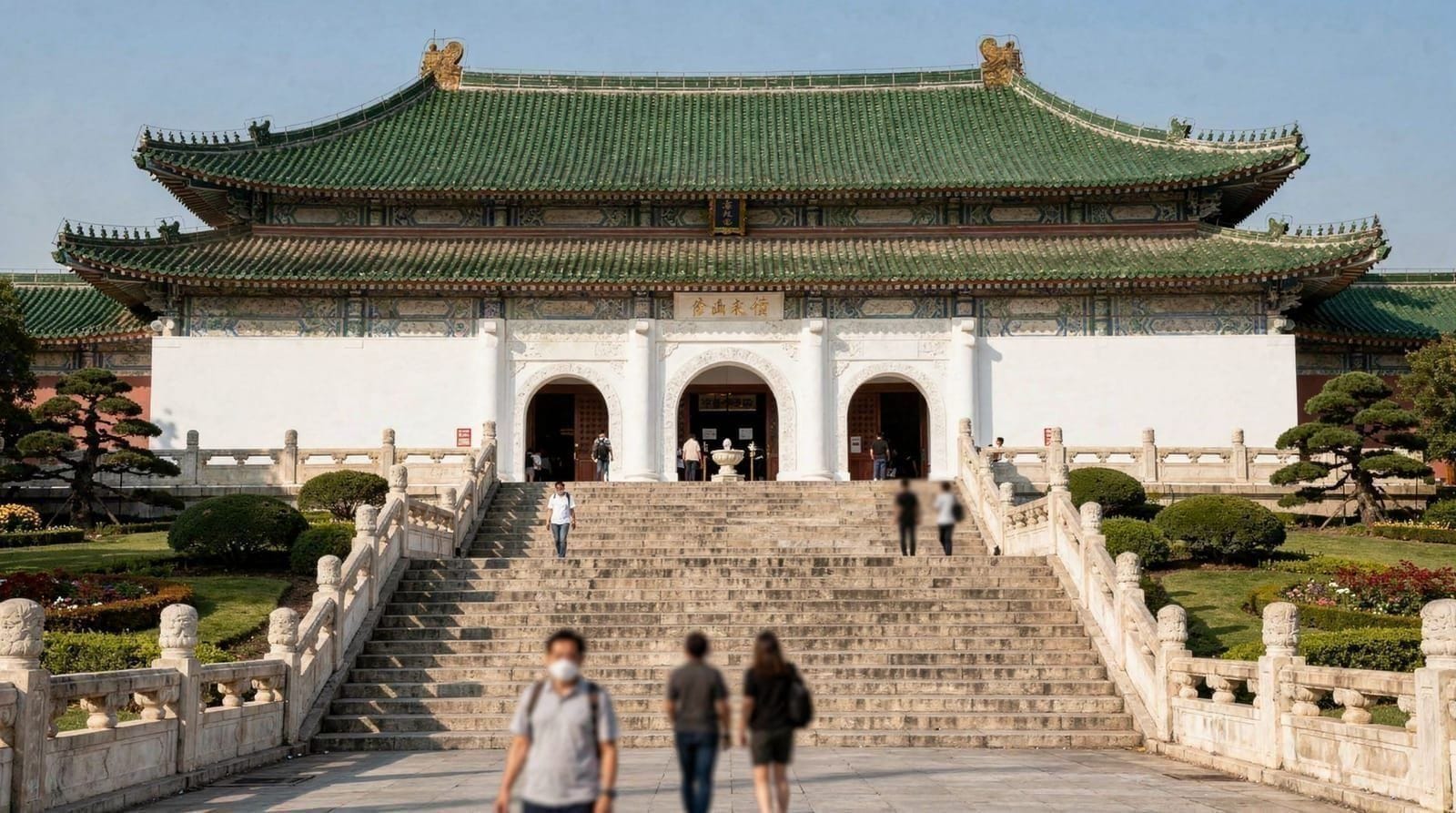
Is Taipei worth visiting?
Taipei: Old town walking tour
Is Taipei worth visiting?
Yes — Taipei consistently over-delivers on value. The food is among Asia's best and cheapest, the MRT is clean and reliable, temples are free, and the day trips to Jiufen or Beitou are simple to arrange. The city lacks the visual drama of Kyoto or the scale of Tokyo, but few Asian cities offer this much for this little money.
Taipei rarely tops “best city in Asia” lists, and that’s part of why it’s worth addressing directly: the city under-promotes itself relative to what it delivers. Below is the honest breakdown — what it does exceptionally well, where it genuinely disappoints, and who should prioritise it over other Asian capitals.
| Best for | Food, budget travel, easy logistics, day trips |
| Weaker on | Visual drama, iconic architecture |
| Typical cost | Around TWD 25,500–38,500 (~€708–1,069) for a week, mid-range |
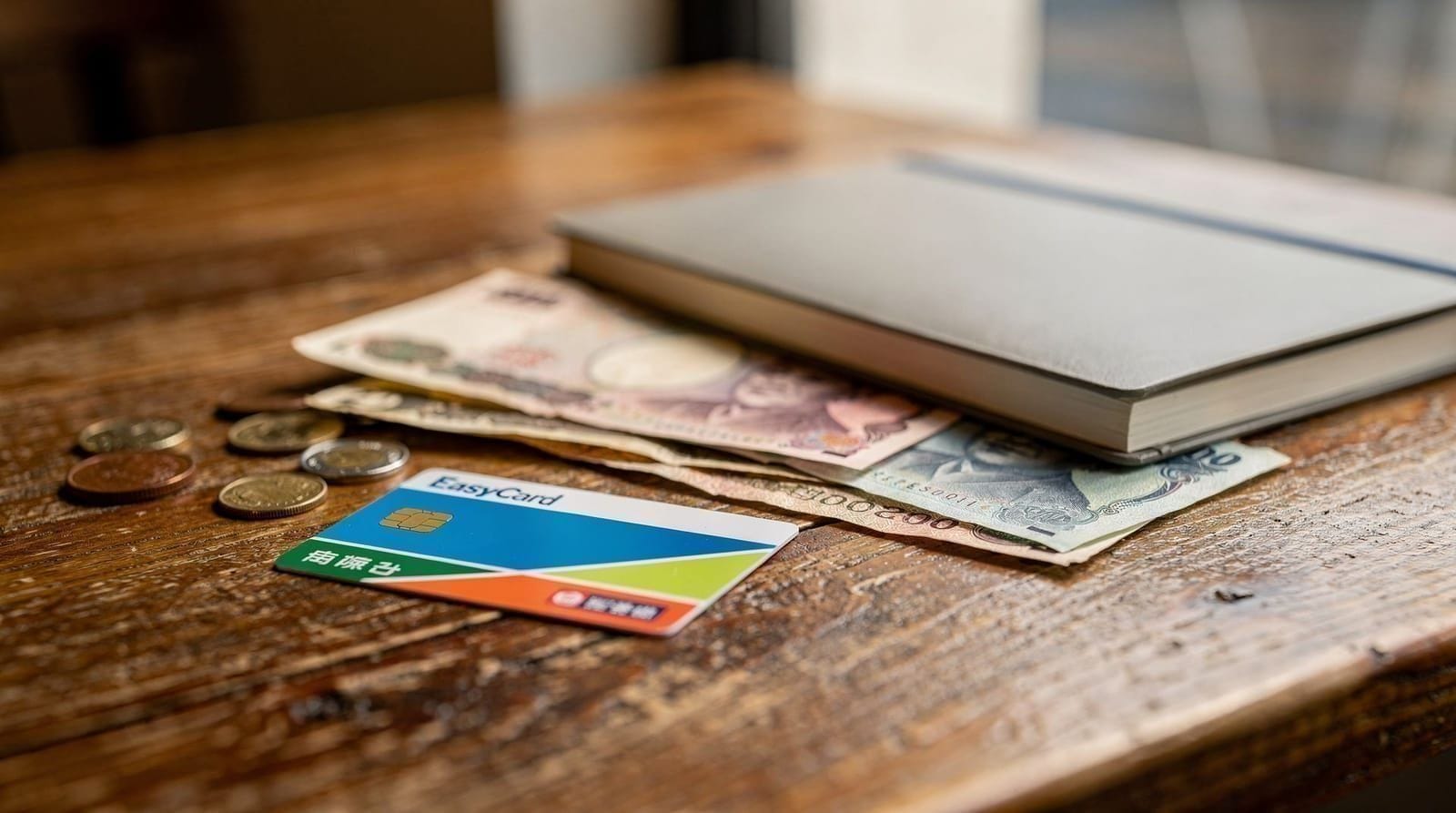
| Getting around | MRT + EasyCard, bilingual signage throughout |
| Best time | October–November for weather |
What Taipei actually gets right
Food and night markets
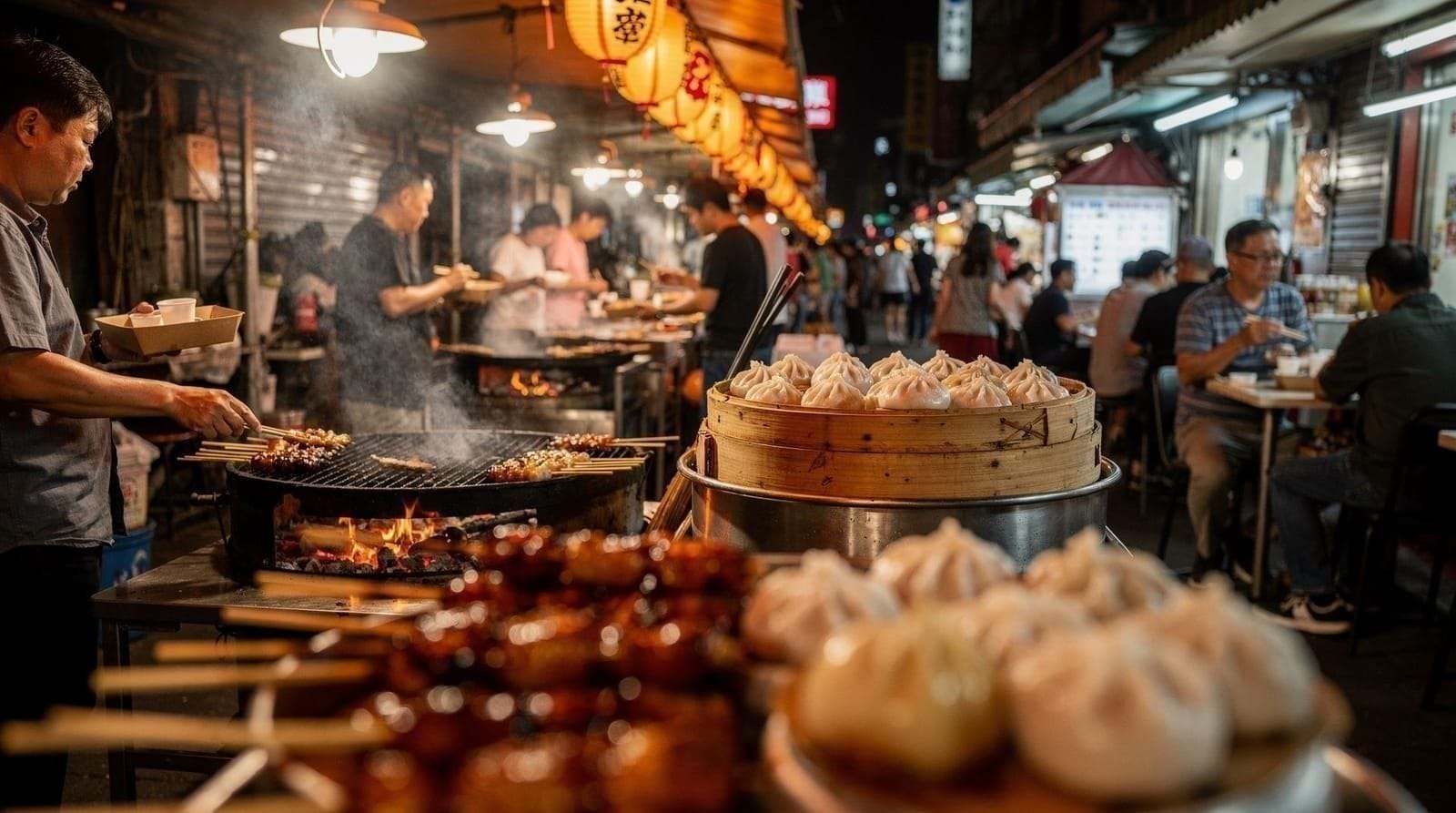
Taipei’s street food scene is the strongest argument for visiting. The night markets are real neighborhood institutions, not tourist showcases — Raohe Night Market is primarily used by locals from the surrounding Songshan district. Bubble tea originated in Taiwan (Chun Shui Tang in Taichung, though Taipei has the density of shops). Din Tai Fung’s xiaolongbao is genuinely exceptional, not just famous. And a full meal — soup dumplings, scallion pancake, iced tea — at a regular diner costs TWD 200–350 (€5.50–9.70).
For more, see the street food guide and the bubble tea guide.
Value for money
Taipei is among the most affordable major Asian cities for Western travelers. The MRT system charges TWD 20–65 (€0.55–1.80) per journey with an EasyCard. Temple entry is free (Longshan, Bao’an, Xingtian, Confucius — all no charge). The National Palace Museum charges TWD 350 (€9.70). A hostel dorm runs TWD 500–700 (€14–19); a solid mid-range hotel TWD 2,500–4,000 (€69–111) per night.
Compare this with Tokyo (where a metro day pass alone costs €6.50) or Singapore (where a budget meal at a hawker centre still costs €4–8), and Taipei is noticeably more accessible.
Day trips by public transport
What makes Taipei unusual is the quality of destinations within 60–90 minutes by train or bus — and that you can reach most of them independently without a tour. Jiufen takes 35 minutes from Taipei Main (train to Ruifang, then 15-min bus). Beitou hot springs are 20 minutes on the MRT Red Line. Yangmingshan is 40 minutes by bus.
See how many days in Taipei for a full breakdown by trip length.
Temples and public life
Longshan Temple is one of the most active religious sites in East Asia — people pray here daily, and the atmosphere on festival evenings is striking without requiring a ticket or tour. Entry is free. The Dadaocheng waterfront area and Dihua Street offer a compressed version of old Taipei that is genuinely historic without being overly stage-managed. More in the Dadaocheng guide.
The MRT: why it changes everything
Most cities in Asia have decent metro systems. Taipei’s is different because the station network maps almost exactly onto the tourist itinerary. Longshan Temple, Ximending, Taipei Main Station, Zhongshan, Xinyi/Taipei 101, Shilin Night Market, Beitou hot springs, Tamsui — every major visitor destination has its own named MRT station. You spend no time working out bus connections or navigating unfamiliar areas on foot. This cuts travel friction dramatically compared with, say, Tokyo’s system (where many tourist sites require multiple transfers and unfamiliar suburb names). See the MRT guide for full line details.
Taipei old town walking tour — covers temples, markets and historic lanesCheck availabilityWhere Taipei disappoints
Visual drama is limited
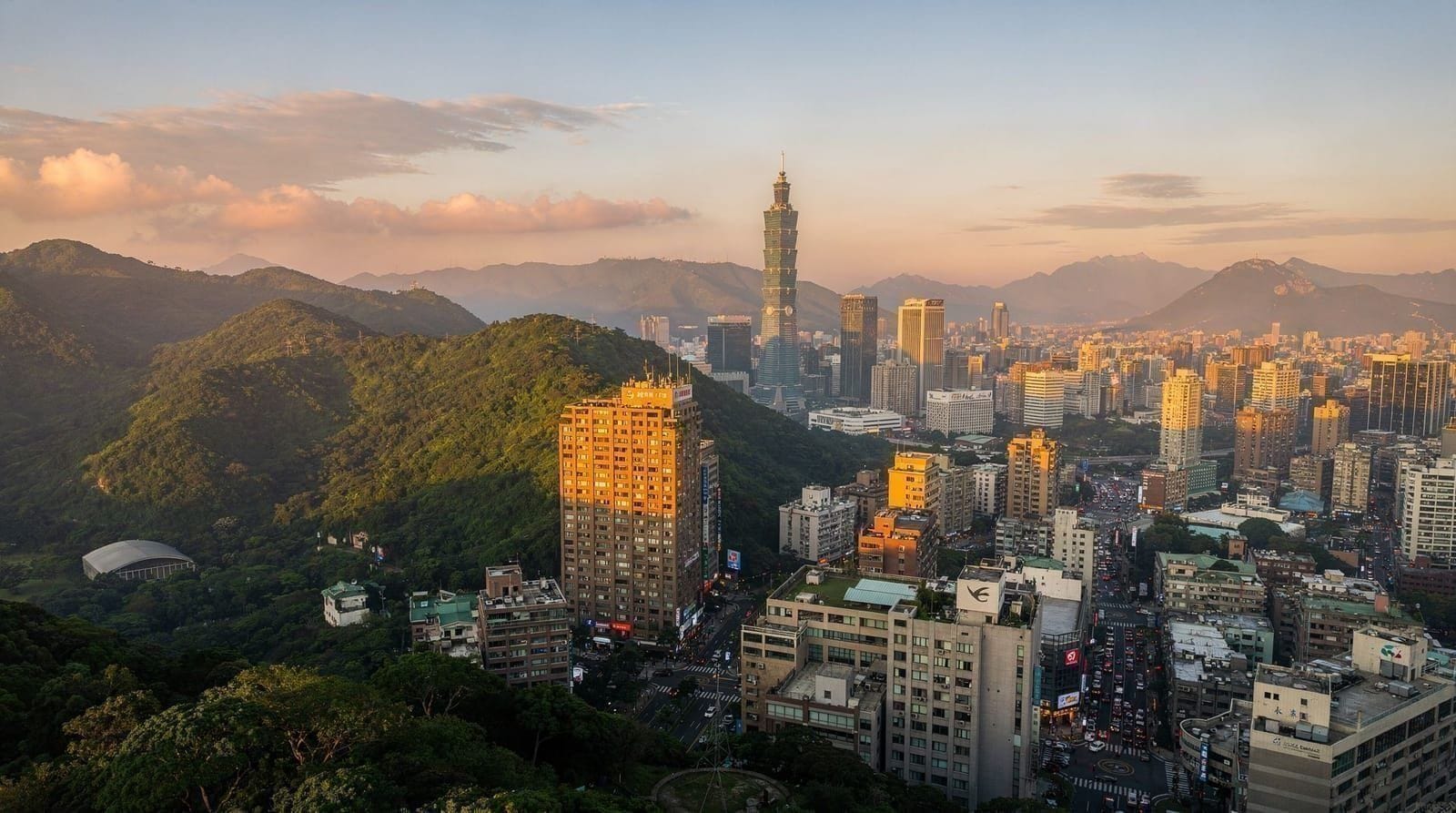
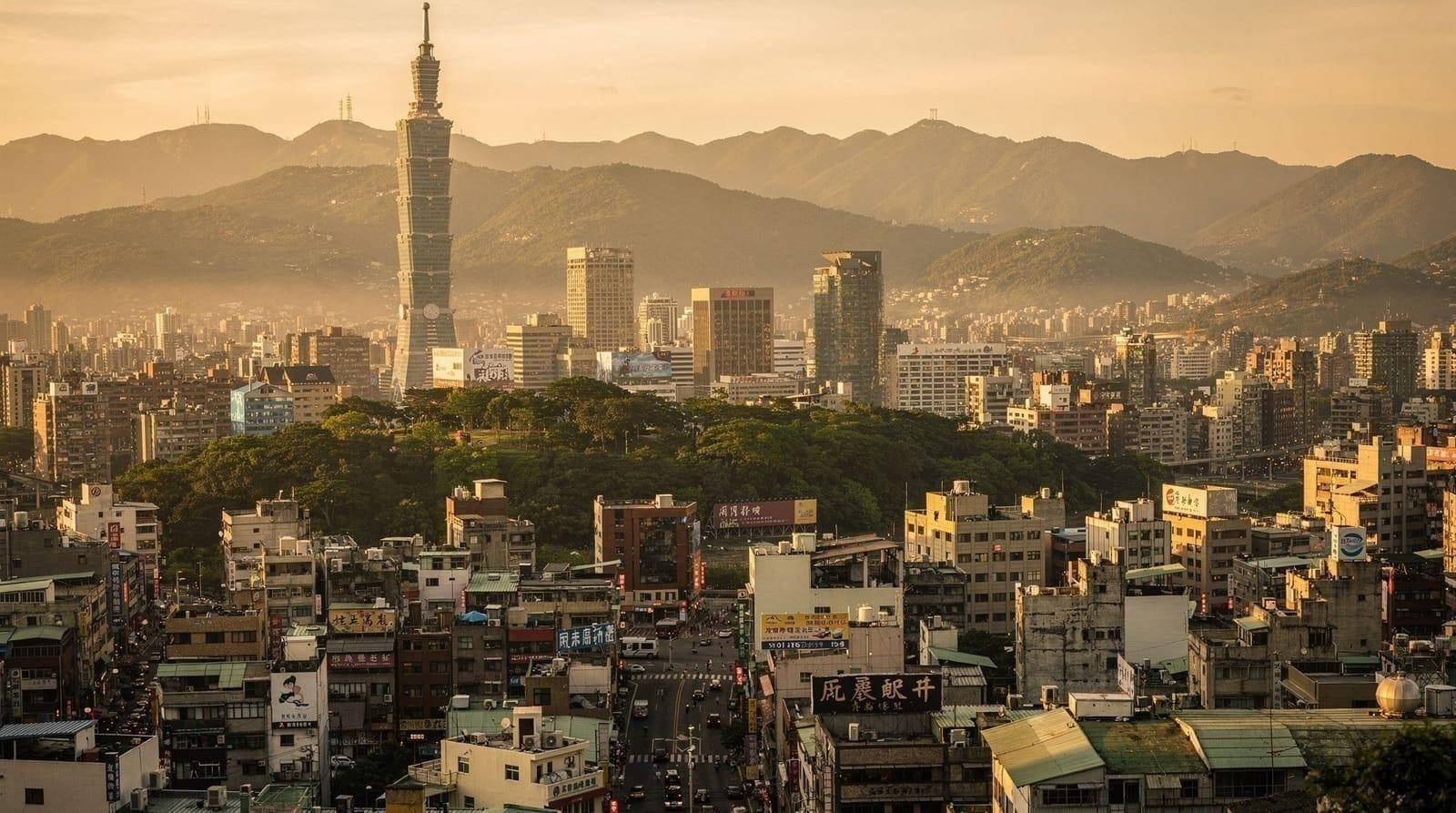
Taipei is not a beautiful city in the conventional sense. The downtown skyline outside Xinyi is mid-century concrete and neon signage. The Danshui River is wide and functional. Beyond Jiufen’s red lantern lanes (which are genuinely photogenic), the city lacks the pedestrian WOW moments of Kyoto, Hanoi’s Old Quarter or Chiang Mai’s temple district.
Taipei 101 is impressive as an engineering feat and the observatory views are worthwhile, but it sits in a business district surrounded by malls. The building itself is better as a backdrop than as a destination.
Shilin Night Market is overhyped
This is the most honest thing we can say about Taipei’s most famous market: Shilin is the worst night market for a first visit. The basement food hall is crowded, the prices are inflated for tourist items, and the vendors in the street section are accustomed to quick turnover. Raohe Night Market (same MRT line, Songshan station) is smaller, less chaotic, and has better food at more consistent prices. The night market comparison guide covers this in detail.
Taipei 101 queues
The observatory at Taipei 101 regularly has 45-minute queues at peak times (weekends and public holidays). The skip-the-line tickets are worth buying — basic tickets sell for around TWD 600 (€16.70) but queue-jumping options cost more. Plan for a weekday morning visit. The observation deck is good but not spectacular compared with Tokyo Skytree or Hong Kong’s Victoria Peak; it justifies a single visit, not repeat trips.
English outside Taipei city limits
The city’s tourist infrastructure is excellent in English. But day-trip villages — Houtong, Pingxi, outer Jiufen — have minimal English signage, and restaurant menus are often Mandarin-only with photos. A translation app on your phone is genuinely useful.
What Taipei does better than its reputation suggests
The tea culture
Taiwan’s mountainside oolongs (Ali Shan, Li Shan, Shan Lin Xi) are among the most respected teas in the world — and in Taipei you can taste them properly without going to the mountains. The Maokong area (gondola from Taipei Zoo MRT station, TWD 180/€5.00 one-way) has hillside tea houses where you pay TWD 200–300 (€5.55–8.30) for a pot and spend the afternoon. In Dadaocheng, traditional tea merchants on Dihua Street sell loose-leaf teas at fair prices with tastings. The tea culture guide goes deeper on this.
The neighbourhood variety
Taipei’s districts are more differentiated than most visitors expect. Xinyi is the gleaming new financial and shopping quarter around Taipei 101. Ximending is Taipei’s answer to Harajuku — youth fashion, street performance, night life. Dadaocheng is the 19th-century merchant quarter still selling traditional goods.
Da’an is mid-century residential with the best independent coffee shop density in the city. Zhongshan has Japanese colonial-era buildings alongside design studios. You can walk between three completely different atmospheres in a single afternoon. See the taipei neighborhoods guide for a district-by-district breakdown.
The mountain access
For a capital city, Taipei has extraordinary access to nature. Yangmingshan National Park — a dormant volcanic mountain with hiking trails, hot spring streams and seasonal wildflowers — is 40 minutes by bus from Jiantan MRT station. The Elephant Mountain trail (Xiangshan MRT station, no transfer from Xinyi) takes 30 minutes to reach a ridge with the definitive Taipei 101 skyline view. Wulai aboriginal village is 50 minutes by bus from Xindian MRT and has a mountain gorge, waterfall and hot spring district. These are not compromised urban parks — they are genuine mountain terrain that happens to be attached to a 2.7 million-person city.
It rewards a second visit differently than a first
A quirk worth flagging: Taipei is unusual among Asian capitals in that a second trip often lands better than the first. First-time visitors tend to front-load the icons — Taipei 101, Longshan Temple, Shilin — and can leave slightly underwhelmed if visual drama was the expectation. Return visitors, having already ticked the icons, gravitate toward the neighbourhood-level experiences (a specific Da’an coffee shop, a Dadaocheng tea merchant, a Maokong teahouse at dusk) that tend to be the moments people actually remember. If your first trip felt merely “good, not amazing,” that’s a common enough reaction that it’s worth knowing a second, slower visit is where Taipei tends to click.
The convenience store infrastructure
This sounds trivial but genuinely affects the travel experience. Taiwan’s 7-Eleven, FamilyMart and Hi-Life stores are the densest in the world and function as urban utilities: they sell hot meals, fill EasyCard transit cards, accept bill payments, have ATMs, print documents, and keep consistent prices. For budget travelers, they remove the stress of finding food, cash or a working ATM at any hour. Most are open 24/7.
Who should visit Taipei
Go if: You value food deeply, want easy, cheap travel in Asia, are combining with Jiufen or Taroko (one of the world’s great gorges), or are researching Taiwan more broadly. The city rewards curious travelers who explore beyond the main sites.
Skip or shorten if: You are primarily interested in ancient architecture (Kyoto is better), tropical beach destinations (go to Thailand or the Philippines instead), or a single-city urban spectacle. Taipei is more rewarding than photogenic.
Best base for: A Taiwan circuit. Taipei functions exceptionally well as the start or end of a trip covering Sun Moon Lake, Taroko Gorge, Tamsui, Beitou and the mountain towns. Few capital cities have this density of quality day trips accessible without a car.
Taipei vs. other Asian cities: the honest comparison
Taipei vs. Tokyo
Tokyo wins on scale, breadth of experiences and architectural drama. Taipei wins on food value, budget friendliness and navigability for first-time Asia travelers. If you are going to one Asian city for a week and your main interest is food culture, Taipei is the better choice. If you want a single city with everything — nightlife, fashion, art, technology — Tokyo is the answer. They are not comparable in size (Tokyo’s metro area has 14× Taipei’s population).
Taipei vs. Bangkok
Bangkok has more dramatic temples, more varied nightlife and more extreme contrasts. It also has worse traffic, more aggressive tourist-area pricing and more variable safety in some districts. Taipei has better public transport, cleaner streets and no tuk-tuk scams. For first-time Asia travelers who want comfortable, low-friction exploration, Taipei is easier. Bangkok rewards more experienced travelers who know how to navigate.
Taipei vs. Seoul
The most comparable pair. Both are modern, MRT-served, food-focused Asian capitals at similar price levels. Seoul wins on fashion, K-pop culture and the DMZ day trip. Taipei wins on night market street food, temple culture and the natural day trips (Jiufen, Yangmingshan). Neither is better — they appeal to slightly different interests.
Taipei vs. Hong Kong
Different enough that comparison is mostly unhelpful. Hong Kong has more dramatic harbor views, denser urban density and a more internationally-connected financial culture. Taipei is slower, less crowded and significantly cheaper. Hong Kong makes sense as a stopover or short trip; Taipei rewards a longer stay.
What Taipei’s tourist traps are actually like
The tourist trap accusation gets leveled at Jiufen, Shilin Night Market, and Taipei 101 observatory. It is partly justified and partly lazy criticism.
Jiufen is genuinely crowded — weekend afternoons are close to unbearable with tour bus arrivals. But the morning (before 11am) and evening (after 5pm on weekdays) are different places. The old street teahouses are expensive by local standards (TWD 350–500/€9.70–13.90 per pot) but the views across the bay are legitimate. It is worth visiting once, not rushing. See the full Jiufen day trip guide for timing and logistics.
Shilin Night Market has inflated prices on tourist-facing stalls and a basement food hall that feels like a theme park. The surrounding street market and residential lanes nearby are more local in character. If you walk five minutes north of the main stalls, the vendors are cheaper and less theatrically tourist-facing.
Taipei 101 is not a trap — it is exactly what it says it is: an observatory in a very tall building with a good view. The trap is overpaying for timed-entry upgrades you don’t need, or expecting the surrounding Xinyi district to be interesting on foot (it is mostly luxury malls). See taipei tourist traps for what else to avoid.
Practical matters for first-time visitors
Getting around is genuinely easy
Taipei’s MRT is one of the most legible metro systems in Asia for foreign visitors. All signage is bilingual, the color-coded lines are simple to follow, and an EasyCard tap-in/tap-out system means you never need to work out fares in advance. The standard journey costs TWD 20–65 (€0.55–1.80). For the full line map and station list, see the MRT guide and the EasyCard guide.
Taxis are metered and honest — drivers do not typically scam tourists. The base fare is TWD 85 (€2.35) for the first 1.25km, then TWD 5 per 200m. Most central Taipei journeys cost TWD 100–200 (€2.80–5.55). You can show the destination on your phone in Mandarin; drivers will accept this.
Accommodation and neighborhoods
Taipei has no single obvious tourist quarter, which works in your favor. The Zhongshan district — the area around Zhongshan and Shuanglian MRT stations — has the best balance of price, access and local atmosphere. Zhongzheng (near Taipei Main Station and the CKS Memorial Hall) is central for transport but less residential. Xinyi suits business travelers or anyone who wants to be walking distance from Taipei 101; it is expensive and less interesting at street level.
The neighborhoods guide breaks down each district by character, price range and what kind of traveler it suits.
Weather and when to go
Taipei’s weather is genuinely variable and the honest answer is that there is no season without a downside. October and November are the clearest months — 20–25 degrees, low humidity, little rain. February to April brings cherry blossoms on Yangmingshan but also the plum rain season (persistent drizzle). June to September is hot, humid and carries typhoon risk — day trips can get cancelled at short notice. Chinese New Year in January or February sees restaurant closures and transport overload.
For a full month-by-month breakdown, see best time to visit Taipei.
Visa and entry
Most Western passport holders (EU, UK, US, Canada, Australia, New Zealand) get 90-day visa-free entry. Carry your return ticket — customs occasionally ask. The Taiwan Arrival Card (TWAC) can be completed online before departure. For the full entry requirements, see Taiwan visa and entry.
What to budget for a week
A realistic week in Taipei for a solo mid-range traveler:
| Category | 7 nights/days | Notes |
|---|---|---|
| Accommodation | TWD 14,000–21,000 (€390–583) | Budget hotel or guesthouse private room |
| Food | TWD 7,000–10,000 (€194–278) | Mix of night markets, diners, one restaurant per day |
| Transport | TWD 1,500–2,500 (€42–70) | MRT + day trip trains |
| Attractions | TWD 2,000–3,000 (€55–83) | National Palace Museum + Taipei 101 + Taipei Zoo |
| Day trips | TWD 1,000–2,000 (€28–55) | Jiufen + Shifen + Beitou independently |
| Total | TWD 25,500–38,500 (~€708–1,069) | Roughly €100–150/day all-in |
Budget travelers staying in dorms and eating exclusively at night markets can do the same week for TWD 12,000–14,000 (€333–389) total. See the full Taipei budget guide and taipei travel budget for a detailed breakdown.
How Taipei compares to other Asian cities
Taipei vs. Tokyo
Tokyo has more breadth — more neighbourhoods, more museum categories, more restaurant types, a stronger art and design scene. Taipei beats Tokyo on food cost (a proper dinner at Yong Kang Beef Noodle costs TWD 250 vs. the equivalent ramen experience in Tokyo at JPY 1,200–1,800), ease of navigation for first-timers, and accessibility of day trips by public transport. Tokyo is the better overall city; Taipei is the better destination for budget travelers and for people who care primarily about food.
Taipei vs. Bangkok
Bangkok has better street-level visual energy, more variety in tourist districts and a stronger nightlife scene. Taipei has better transport (the MRT vs. Bangkok’s tuk-tuk and Grab dependency), better food safety standards, less tourist-trap density, and a more relaxed pace for a week-long trip. For first-time Southeast Asia visitors, Bangkok still makes sense. For visitors who have done Southeast Asia and want a different energy, Taipei is the right choice.
Taipei vs. Seoul
The closest comparison. Both are East Asian capitals with good metro systems, strong food scenes, and accessible day trips. Seoul has more visual wow — the Han River, the palaces, Bukchon Hanok Village, the shopping districts in Myeongdong and Itaewon. Taipei is quieter, cheaper, and has better temple culture. Seoul has better K-pop and fashion tourism. The choice depends on what you are optimizing for.
Taipei vs. Singapore
Singapore is significantly more expensive — a budget hostel dorm in Singapore costs SGD 30–50 vs. TWD 500–700 in Taipei. Singapore’s food (hawker centres) is exceptional and comparable to Taipei night markets, but Singapore’s tourist sights are thinner. Taipei has more to actually do and see for the same budget. The only advantage Singapore has is English-language competency throughout.
Taipei vs. Kyoto
This comparison comes up often because both are frequently recommended as “authentic culture” cities. It isn’t really a fair fight on architecture: Kyoto’s temples, gardens and preserved historic districts are more visually dramatic than anything in Taipei, full stop. What Taipei offers instead is better food value, a far simpler transport system for first-time visitors, and day trips (Jiufen, Beitou, Yangmingshan) that are cheaper and faster to reach than Kyoto’s equivalents. Choose Kyoto if historic architecture and garden design are the priority; choose Taipei if you want food, ease and budget stretch. Many travelers end up doing both on the same wider Asia trip rather than picking one.
| Taipei | Kyoto | |
|---|---|---|
| Strength | Food, transport ease, cheap day trips | Historic architecture, temples, gardens |
| Cost level | Lower | Higher |
| Day trips | Jiufen, Beitou, Yangmingshan (30–90 min) | Nara, Osaka, Uji (30–60 min) |
| English ease | Good in tourist areas | Good in tourist areas |
| Best for | Food-focused, budget-conscious travelers | Architecture and culture-focused travelers |
Taipei’s neighbourhoods: quick reference
Understanding the districts helps calibrate expectations:
Wanhua: Oldest district, historic temples (Longshan), traditional markets, more gritty character than the rest of the city. Best for temple culture and street food at local prices.
Da’an: Upscale residential, independent cafés, Din Tai Fung, Yongkang Street dining. The most pleasant urban fabric for walking — tree-lined streets, fewer motorcycles. See taipei neighborhoods guide.
Zhongshan: Commercial mid-range. Good for hotels. Ningxia Night Market, MoCA, Xingtian Temple all within walking distance.
Xinyi: Business district, Taipei 101, luxury malls (Breeze, Bellavita, SOGO Fuxing). The most international-feeling part of the city. More expensive restaurants, better English.
Ximending: Youth culture, street fashion, Japanese-influenced commercial strip. Best in the evening when the pedestrianised zone fills up. See ximending guide.
Shilin: Residential north Taipei, primarily visited for the night market and the National Palace Museum. The museum and the night market are in the same district but feel like different cities.
Practical things that matter
Weather timing
The honest answer on weather: Taipei does not have ideal weather for most of the year. October and November are best — clear skies, 20–25°C, manageable humidity. March and April are pleasant with occasional rain. May and June bring high humidity and the start of tropical systems. July to September is typhoon season — not dangerous if you stay in the city, but day trips to mountain areas and coastal spots are frequently cancelled. December to February is cool and clear with occasional cold snaps (12–15°C).
For seasonal detail, see best time to visit Taipei.
Safety and practical logistics
Taiwan has among the lowest violent crime rates in Asia. The biggest practical safety consideration for tourists is traffic — motorcycles are abundant and run at red lights in the “waiting box” in front of cars. Look both ways on green and be aware of scooters turning left without signaling. The MRT stations, roads and tourist areas are well-lit and feel genuinely safe at any hour.
Taxis in Taipei are metered and honest — this is not a city where you need to negotiate fares or watch for detours. The flagfall is about TWD 70 (€1.95); a cross-city trip from Ximending to Shilin costs TWD 180–250 (€5–7) depending on traffic. Taxi apps (Line Taxi, Uber) are also available and remove any communication friction.
Honest verdict
Taipei earns its reputation among travelers who have been there — not because it is flashy, but because it delivers consistently. The food is extraordinary. The logistics are simple. The temple culture is accessible and real. The day trips are memorable.
It is not a city that photographs especially well, and parts of it are frankly unremarkable. But it is one of the most comfortable and genuinely interesting cities in Asia to spend a week in, and the budget makes it forgiving of mistakes.
Taipei must-see attractions tour — covers the essential landmarks efficientlyCheck availabilityFor itinerary planning, see how many days in Taipei. For logistics and what to skip, see the first-timer guide.
Frequently asked questions about Is Taipei worth visiting?
Is Taipei safe for tourists?
How expensive is Taipei?
Is Taipei better than Tokyo or Bangkok?
What is Taipei famous for?
Is English widely spoken in Taipei?
How does Taipei compare to Kyoto for a first Asia trip?
Is 3 days enough to decide if Taipei is worth a longer Taiwan trip?
Top experiences
Bookable activities with verified prices and instant confirmation on GetYourGuide.