Taipei vs other Asian cities — honest comparison for first-timers
Taipei: Private tour with locals highlights hidden gems
Duration: 3.5 hours
How does Taipei compare to other Asian cities?
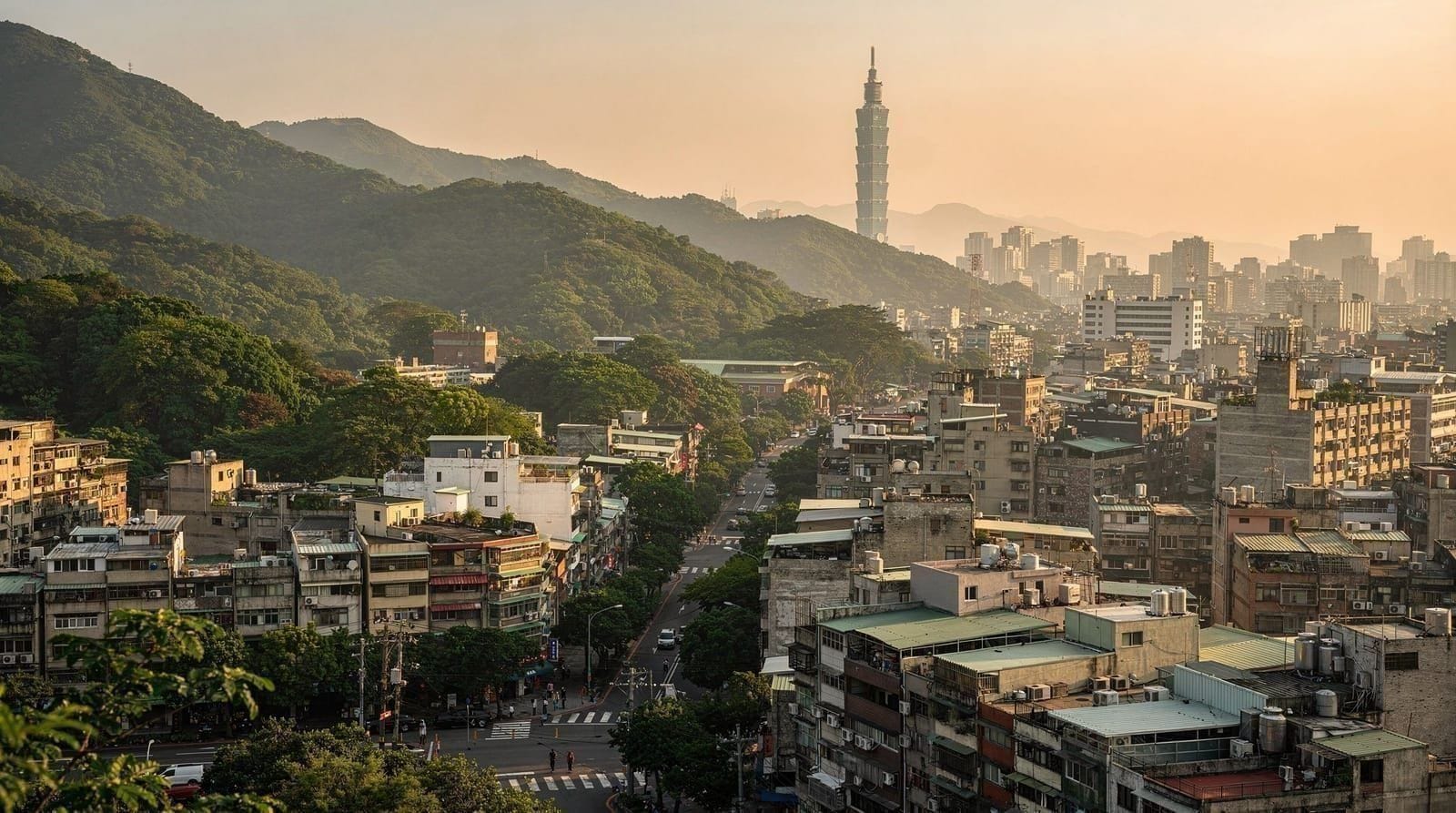
Taipei sits in a sweet spot — cheaper than Tokyo and Hong Kong, safer than Bangkok, and less crowded than Seoul or Tokyo for major attractions. Its food scene rivals any city in Asia. The main trade-off is scale; Taipei lacks the sheer museum density of Tokyo or the nightlife infrastructure of Bangkok, but for a 4–7 day trip combining city life with day trips, it's one of the most rewarding cities in the region.
Most first-time visitors to East or Southeast Asia weigh up several cities before booking. Taipei often sits at the edge of people’s shortlists — not as famous as Tokyo or Bangkok, not as obviously photogenic as Hong Kong’s skyline, not as trendy as Seoul. This guide gives an honest comparison on the factors that actually matter for a week-long holiday.
| Cheapest overall | Bangkok, then Taipei |
| Safest / lowest scam risk | Taipei |
| Best public transport | Taipei and Tokyo (tied) |
| Most museum density | Tokyo, then Seoul |
| Best day-trip variety in 90 min | Taipei |
Taipei vs Tokyo
Cost: Taipei is meaningfully cheaper. A mid-range restaurant meal in Taipei costs TWD 200–500 (€5–14); in Tokyo, the equivalent runs JPY 1,200–3,000 (€7–20) with significantly more variance. Accommodation in Taipei runs 30–50% cheaper than comparable Tokyo options. Public transport is similar in efficiency but cheaper in Taipei.
Food: Both cities are world-class. Tokyo has more Michelin stars; Taipei has deeper local street food culture and a democratic food scene where excellent food is found at night market stalls for TWD 40–100 (€1–3). Taiwan’s beef noodle soup, oyster omelette, and dumpling tradition are as serious as any Tokyo ramen. A food-focused traveler loses nothing by choosing Taipei.
Crowds at attractions: Tokyo’s major draws — Senso-ji, teamLab, Tsukiji, Akihabara — involve queueing for 20–90 minutes in peak season. Taipei’s equivalent (Taipei 101, National Palace Museum, Longshan Temple) have crowds but rarely the same queuing overhead. Day trips from Tokyo (Nikko, Kamakura, Mt Fuji) are as crowded as Jiufen on a Saturday; the management is similar.
English signage: Both cities have excellent English navigation. Taipei’s MRT is fully bilingual; so is Tokyo’s. Menus are more consistently English-available in Taipei’s tourist areas.
Verdict: If you’ve already been to Tokyo, Taipei offers genuine newness. If choosing between them for a first Asia trip, Tokyo has more cultural density; Taipei is more relaxed and cheaper.
Taipei vs Seoul
Cost: Broadly similar. Seoul’s convenience-store culture and street food (tteokbokki, kimbap) are as cheap as Taipei’s. Accommodation is comparable. Seoul has more budget hostel options near the major tourist areas.
Food: Genuinely different cuisines, both excellent. Korean BBQ, stews, and fermented foods vs. Taiwanese beef noodle, night-market food, and Chinese-Taiwanese dim sum. Both cities have strong coffee cultures. Choosing between them on food alone is a matter of preference, not quality.
Crowds: Seoul’s major Instagram spots — Gyeongbokgung in hanbok, Bukchon Hanok Village — are frequently overcrowded. Taipei’s Jiufen has a similar problem. Both cities have this in common: specific photo spots are overwhelmed while nearby areas are tranquil.
Day trips: Seoul’s day-trip options (DMZ tour, Nami Island, Suwon) are interesting but largely bus-tour affairs. Taipei’s mountain-town circuit (Jiufen, Shifen, Houtong) and hot-spring towns (Beitou, Wulai) are more varied and easier to navigate independently.
Weather: Seoul has real winters (snow, sub-zero temperatures in January) and hot humid summers similar to Taipei. Cherry blossom season in Seoul competes directly with Yangmingshan.
Verdict: Taipei and Seoul are the closest comparison in this list — similar price point, similar approachability. Seoul has a stronger shopping and nightlife scene; Taipei has better day-trip access and a more compact, walkable core.
Taipei vs Bangkok
Cost: Bangkok is cheaper — often significantly so. Street food for TWD 50 equivalent in Taipei costs TWD 30–40 in Bangkok. Budget accommodation in Bangkok undercuts Taipei’s backpacker options. However, the gap narrows considerably in mid-range and upscale segments.
Safety: Both cities are safe for tourists by global standards. Bangkok has higher petty-theft risk in tourist areas (tuk-tuk scams, gem scams — see our tourist traps guide for the Taipei equivalent). Taipei has virtually no scam culture targeting tourists.
Weather: Bangkok is hot and humid year-round (28–38°C), with a rainy season May–October. Typhoons don’t affect Bangkok. Taipei’s seasonal variation (cool winters, hot summers, typhoon season) gives more options for weather-sensitive travelers.
Day trips: Bangkok’s day-trip circuit (Ayutthaya, Kanchanaburi, floating markets) is historically rich but longer in travel time. Taipei’s northern circuit is more compact — Jiufen takes 90 minutes from central Taipei vs. 90 minutes from Bangkok to Ayutthaya.
Food: Bangkok’s food is extraordinary — Thai food is one of the world’s great cuisines. Taipei’s food is also exceptional. A food-focused traveler would be happy in either city.
Verdict: Bangkok wins on value; Taipei wins on safety, efficiency, and infrastructure quality. For first-time solo travelers (especially women traveling alone), Taipei is consistently cited as more comfortable.
Taipei vs Hong Kong
Cost: Taipei is meaningfully cheaper than Hong Kong in most categories. Hong Kong accommodation is notoriously expensive even for budget options; Taipei’s hostels and guesthouses are more accessible. Food costs are similar at street level but diverge at restaurant level.
Scale: Hong Kong is a city of 7.5 million in a much smaller geography; Taipei has 2.6 million in the city proper. Hong Kong feels denser, faster, more vertical. Taipei is more spacious and slower-paced.
Day trips: Hong Kong’s outlying islands (Lantau, Cheung Chau, Lamma) offer different day-trip character — beaches and fishing villages rather than mountain towns. Both circuits are worthwhile. Taipei’s connections to Yangmingshan, the hot-spring circuit, and farther destinations like Taroko and Sun Moon Lake give it an edge for longer trips.
Food: Hong Kong’s Cantonese dim sum tradition is unmatched. Taipei’s Taiwanese-Fujian food is equally distinctive. These are complementary cuisines rather than competitive ones.
Political context: Hong Kong’s political situation since 2019 has changed the city’s atmosphere. For travelers concerned about this, Taipei is a straightforwardly open, democratic city.
Verdict: For a 4–7 day trip, Taipei offers more variety at lower cost. Hong Kong is harder to match for pure food/urban intensity, but it’s a significantly more expensive destination.
Where Taipei genuinely wins
Street-level food culture: The combination of beef noodle soup, Taiwanese breakfast culture (soy milk + youtiao), night-market snacks, and the depth of regional Chinese cuisines in one city is hard to match. Cheap and excellent food is genuinely accessible for every budget.
Public transport: Taipei’s MRT is consistently ranked among Asia’s best — clean, on time, cheap, and bilingual. Getting around Taipei costs TWD 20–65 per trip (~€0.55–1.80). Day trips are train-accessible from Taipei Main Station.
Safety and scam environment: Taipei has virtually no tourist-targeting scam culture. Taxi drivers use meters. Restaurants don’t add mystery charges. This is noted repeatedly by travelers who have visited Bangkok or other cities with heavier tourist-targeting.
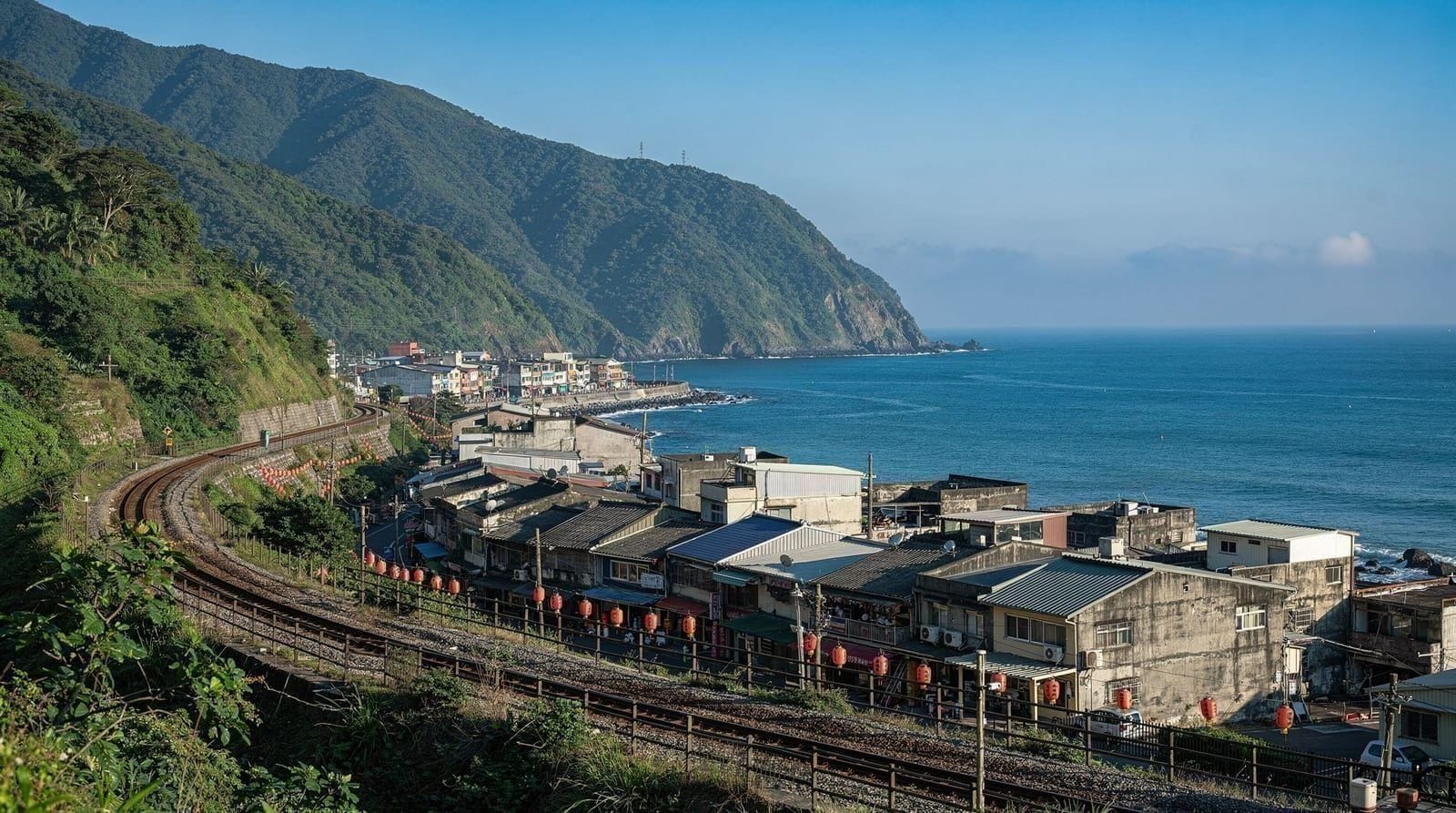
Accessible day trips: The northern Taiwan day-trip circuit is among the best-value in Asia — 90-minute train ride to completely different environments (mountain towns, hot springs, coastal geoparks, cat villages). Few cities offer this much variety within 2 hours.
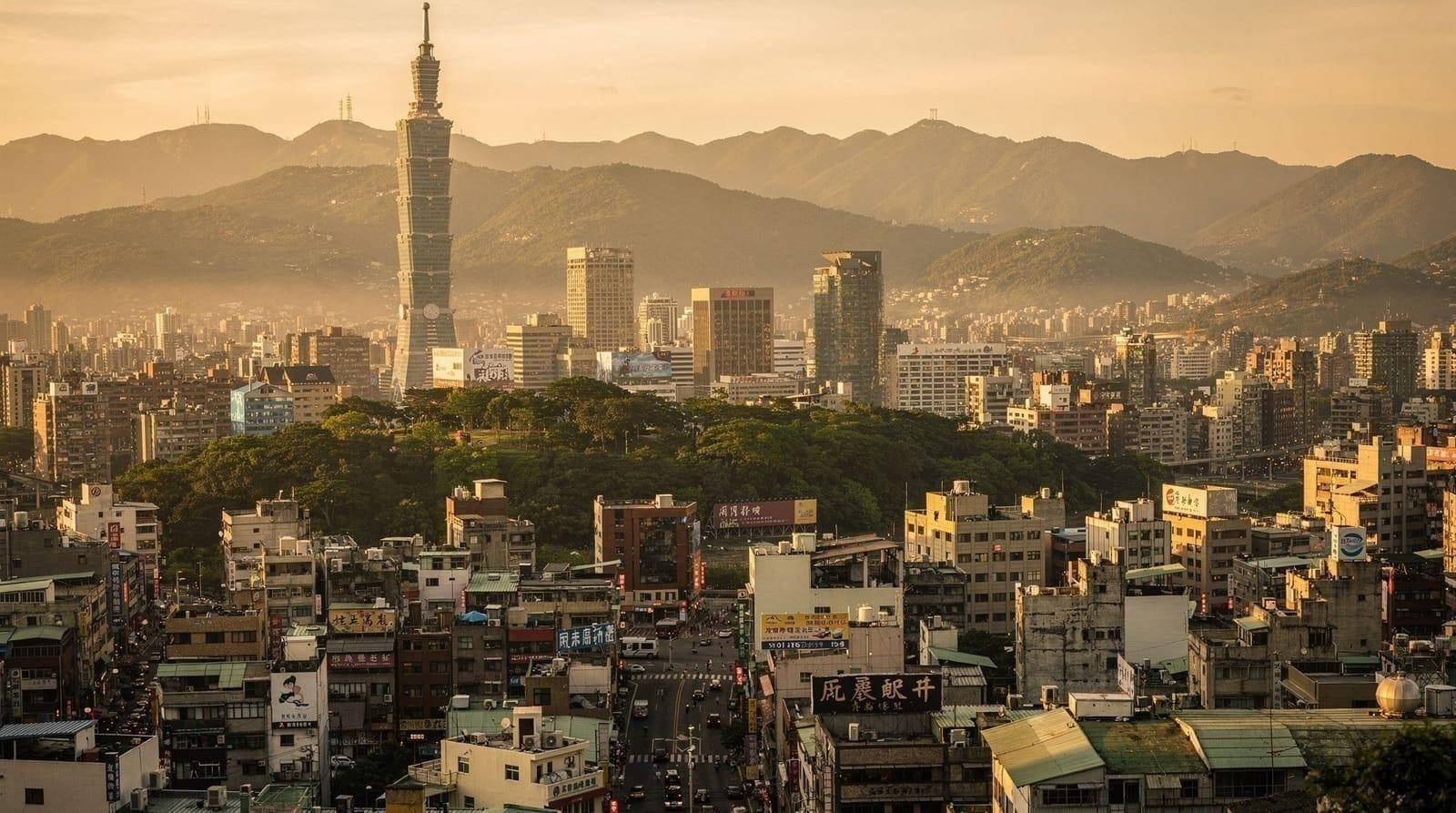
Size: Taipei’s compact core means less time in transit between sights. Walking from Ximending to Longshan Temple to Dadaocheng and back is feasible in a morning.
Taipei must-see attractions walking tourWhere Taipei loses
Museum density: Tokyo and Seoul have significantly more world-class museum infrastructure. Taipei’s National Palace Museum is genuinely extraordinary, but the broader museum offering is thinner.
Nightlife: Bangkok and Seoul have more developed nightlife infrastructure. Taipei’s bar scene is solid (especially around Da’an and Zhongxiao Fuxing) but not a primary reason to visit.
Beach access: Taipei is on the coast but has no usable city beach. Bangkok has beach options within 2–3 hours (Pattaya, Hua Hin). If beach access matters, Taipei requires a separate trip to the southern coast.
Shopping variety: Seoul (Myeongdong, Dongdaemun, Hongdae) and Bangkok (Chatuchak, Terminal 21) have stronger fashion and street-market shopping scenes. Taipei’s shopping is good but less distinctive for travelers.
How to turn the comparison into a plan
A comparison is only useful if it changes what you book. If Taipei came out ahead for you, the next question is how long to stay and where to base yourself. Our how many days in Taipei guide helps you weigh city time against excursions, and the Taipei neighborhoods guide explains which parts of the city suit which kind of traveler. Travelers who like to be in the middle of the action often look at Ximending, while those who prefer a calmer, more characterful base lean toward Dadaocheng. The where to stay in Taipei guide goes through the trade-offs in more detail.
If you are still undecided between cities, picture your ideal day rather than your ideal budget. Do you want to wander from a temple to a tea shop to a night market without a fixed plan? That is Taipei’s strength. Do you want to spend entire days inside a single enormous museum district or shopping neighborhood? Then the larger capitals on this list will serve you better. Being honest about which of these days appeals to you settles most comparisons faster than any price table.
Getting around once you arrive
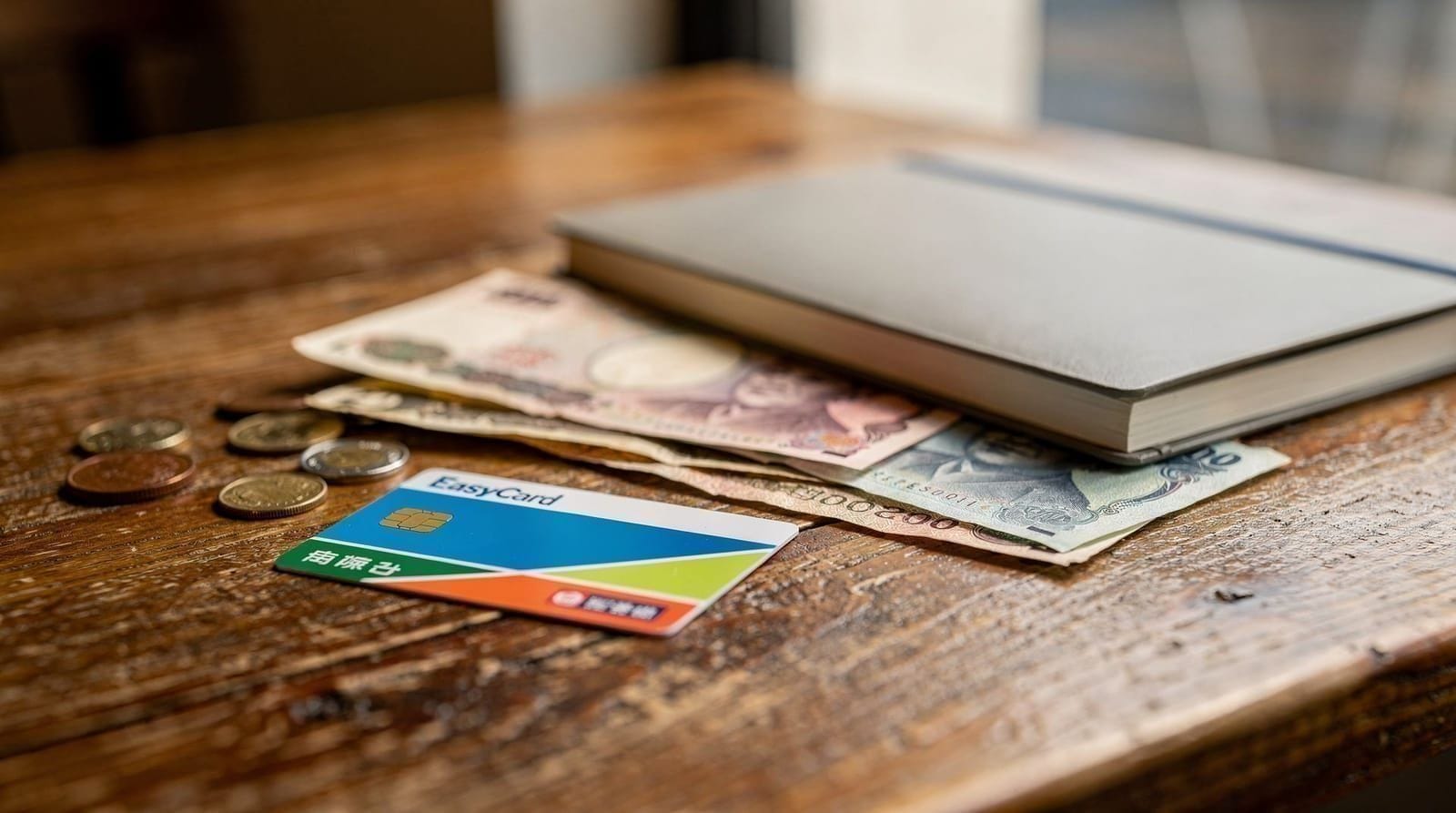
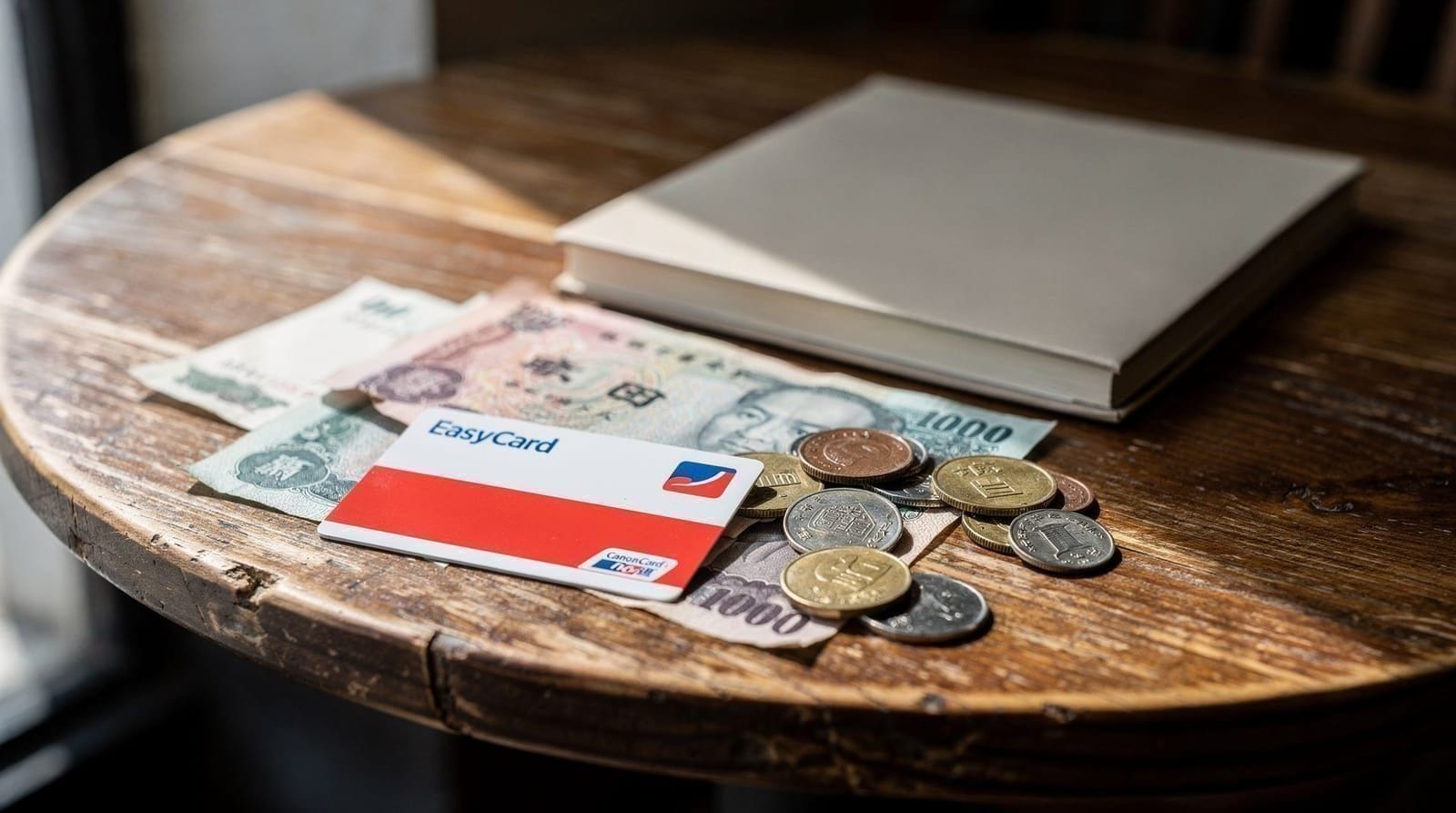
One reason Taipei feels easier than its rivals is how little planning daily movement requires. The Taipei MRT guide covers the system, and the EasyCard guide explains the one card that works across metro, buses and many convenience stores. Arriving is just as simple, as the Taoyuan Airport to Taipei guide shows. Compared with cities where you need to decode several competing ticket systems on day one, this is a genuine advantage for a first Asia trip, because you spend your energy on the city rather than on logistics.
Food, markets and the night-time economy
Every city in this comparison will feed you well, so the question is what kind of eating you enjoy. Taipei rewards people who like grazing: a few bites at one stall, a walk, then something else. The night markets guide and the best street food in Taipei page show how that plays out in practice. If you want one famous sit-down name, the Din Tai Fung and xiaolongbao guide is a good starting point. The trade-off, as noted above, is that Taipei’s nightlife is more about eating late than dancing late.
Matching the city to your trip style
- Short city break: Taipei’s compact core makes it easy to see a lot quickly; the Taipei in 3 days itinerary shows one way to do it.
- Budget-focused trip: see Taipei on a budget for how to stretch your money without cutting out the best experiences.
- Traveling with family: Taipei’s safety and transport make it a gentle choice, and the Taipei with kids guide covers what works.
- Weather-sensitive trip: check the best time to visit Taipei and the typhoon season guide before fixing dates, since seasons here matter more than in Bangkok.
The honest summary
Taipei works best for travelers who:
- Want excellent food at every price point
- Value safety and efficient transport
- Want day trips that feel genuinely different from the city (mountain towns, hot springs, nature)
- Prefer a relaxed pace over urban intensity
- Are budget-conscious without wanting to sacrifice quality
Taipei is not the right primary destination if:
- You want extensive museum-hopping (Tokyo or Seoul)
- You prioritize beach access (choose further south)
- You need a busy nightlife hub (Bangkok or Seoul)
- You’re looking for luxury hotel value (Hong Kong and Bangkok compete better at upper price points)
For a full first-timer’s overview, see our Taipei first-timer guide and is Taipei worth visiting guide.
Private Taipei highlights and hidden gems tourSide-by-side cost snapshot
| City | Mid-range meal | Budget hotel/night | MRT/metro fare | Overall value |
|---|---|---|---|---|
| Taipei | TWD 200–500 (€5–14) | TWD 800–1,600 | TWD 20–65 | Very good |
| Tokyo | JPY 1,200–3,000 (€7–20) | JPY 4,000–8,000 | JPY 170–320 | Good, pricier |
| Seoul | KRW 8,000–18,000 (€6–13) | KRW 40,000–80,000 | KRW 1,400–2,000 | Very good |
| Bangkok | THB 100–300 (€3–8) | THB 500–1,200 | THB 16–59 | Best value |
| Hong Kong | HKD 100–250 (€12–29) | HKD 400–900 | HKD 5–25 | Weaker value |
Combining Taipei with day trips as a differentiator
One factor that doesn’t show up in simple cost comparisons: how much genuinely different scenery is reachable within 90 minutes. Taipei’s northern circuit — mountain towns like Jiufen vs Shifen, hot-spring districts, and coastal geoparks — gives a first-time visitor variety that Tokyo, Seoul, and Hong Kong’s day-trip options rarely match in the same time budget. For planning how to weight city time against day trips, see our best day trips from Taipei guide.
Frequently asked questions about Taipei vs other Asian cities — honest comparison for first-timers
Is Taipei a good first Asian city to visit if I've never traveled in the region before?
Which city should I choose if I only have time for one: Taipei or Tokyo?
Top experiences
Bookable activities with verified prices and instant confirmation on GetYourGuide.